Yen Slides to 39-Year Against US Dollar, on Edge for Intervention
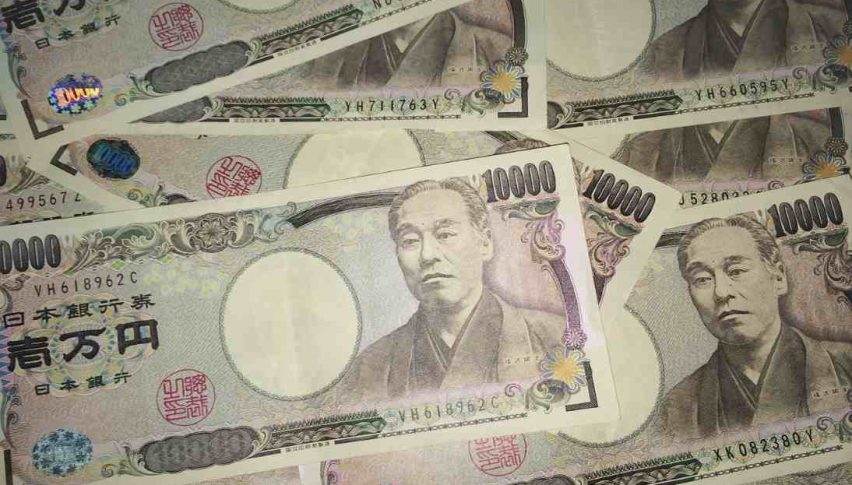
The yen fell to its lowest level against the dollar since 1986, a significant event that will cause anxiety in Japan and make traders vigilant for government intervention
Quick overview
- The yen has fallen to its lowest level against the dollar since 1986, raising concerns about potential government intervention in Japan.
- Despite attempts by officials to stabilize the currency, the yen continues to decline, impacting import prices and consumer costs.
- Japan's stock market is benefiting from the currency weakness, boosting exporters' profits, but consumers are facing rising prices for essential goods.
- The Bank of Japan's recent interest rate hike has had little effect, as traders expect the Federal Reserve to maintain a hawkish stance.
The yen fell to its lowest level against the dollar since 1986, a significant event that will cause anxiety in Japan and make traders vigilant for government intervention
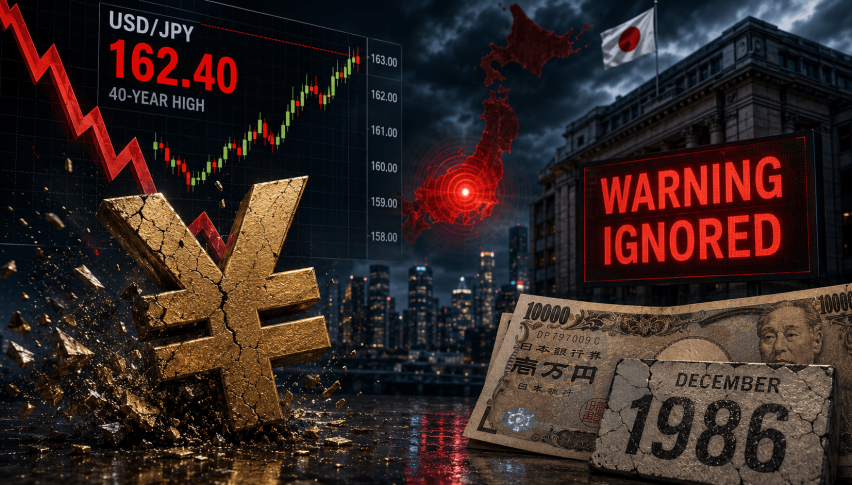
The currency broke through the 161.95 mark against the US dollar, surpassing its lowest point in July 2024 during a previous campaign to support the exchange rate. Despite Chief Cabinet Secretary Minoru Kihara’s jawboning, it continued to fall to 162.40 in Tokyo on Tuesday. Finance Minister Satsuki Katayama’s later remarks didn’t have much of an immediate effect.
The last time the yen was trading at this level, it was rushing in the opposite direction, halfway through a huge, multi-year rally that followed a US-engineered currency accord. The Soviet Union was recovering from the Chornobyl nuclear accident, Japan’s asset bubble was still developing, and Top Gun had just catapulted Tom Cruise to the height of Hollywood fame.
The yen is declining this time, and Japan is emerging from a generation-long economic slump. The country’s stock market is reaching all-time highs thanks to the currency weakness, which is increasing exporters’ profits. However, import prices are rising, especially for shipments of gas and oil that are valued in dollars.
Consumers are suffering from higher prices for everything from food to electricity, and the government of Prime Minister Sanae Takaichi is in danger of losing support. “Whether Japanese authorities proceed will be the main topic of discussion today.
The BOJ raised its benchmark interest rate to 1%, the highest level since 1995. However, the effect was negligible because traders anticipate that the Federal Reserve will remain hawkish.
Investors have an incentive to borrow cheaply in yen and invest in higher-yielding assets abroad as long as there is a significant difference between Japan’s extremely low interest rates and those in the US and other major economies. As a result, the Japanese currency continues to be under pressure to decline.
- Check out our free forex signals
- Follow the top economic events on FX Leaders economic calendar
- Trade better, discover more Forex Trading Strategies
- Open a FREE Trading Account
- Read our latest reviews on: Avatrade, Exness, HFM and XM

Related Articles

Sidebar rates

Related Posts
 Save
Save