5 Best Forex Brokers in South Korea
. 
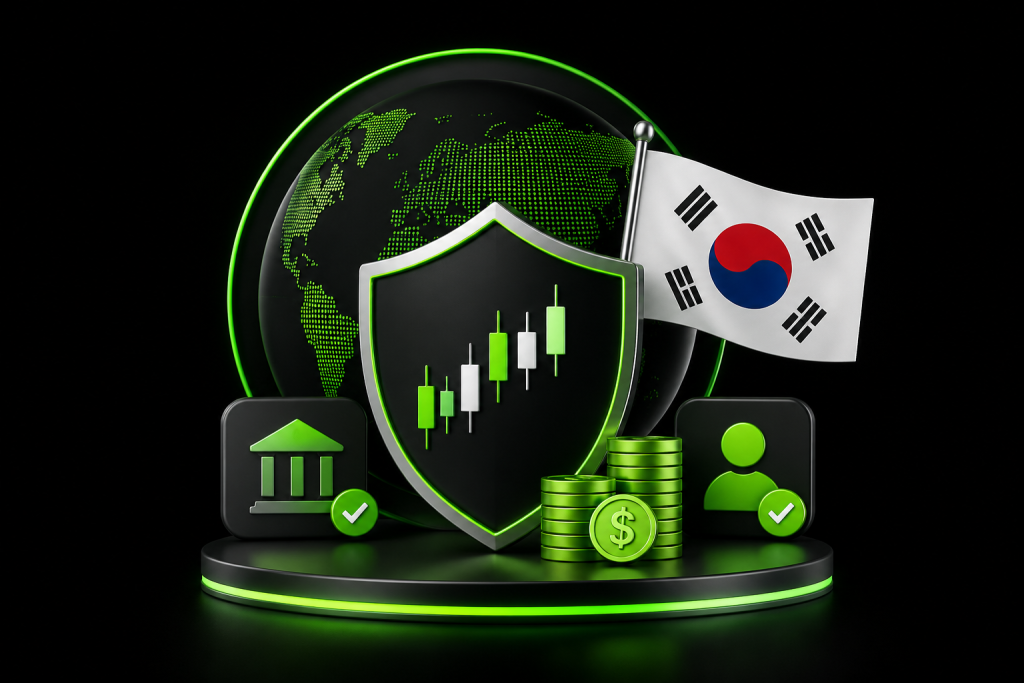
We’ve listed the 5 Best Forex Brokers in South Korea that provide secure, transparent, and well-regulated access to global forex and CFD markets under the supervision of the Financial Services Commission (FSC) and the Financial Supervisory Service (FSS). South Korean-regulated forex brokers operate under strict financial regulations designed to promote investor protection, market integrity, and fair trading practices for both retail and professional traders.
Forex trading in South Korea is governed by the Financial Services Commission (FSC) and enforced by the Financial Supervisory Service (FSS), two key regulatory authorities that uphold strict compliance standards, including client fund segregation, leverage restrictions, and comprehensive risk disclosures. Brokers operating within this framework typically offer access to a diverse range of global markets, including major and minor forex pairs, commodities, indices, and equities. These services are supported by advanced trading platforms such as MetaTrader 4, MetaTrader 5, and proprietary solutions built for fast execution, competitive spreads, and a secure, user-friendly trading environment.
Top 5 Forex Brokers in South Korea
- XM – Strong global regulation and trusted reputation.
- AvaTrade – Strong risk management tools for compliance-focused markets.
- Eightcap – Competitive pricing suited for cost-conscious traders.
- Pepperstone – Ultra-low spreads ideal for active traders.
- Tickmill – Transparent pricing with low commissions.
What makes Forex Brokers stand out in South Korea?
The Best Forex Brokers in South Korea stand out by offering strong regulatory compliance under the FSC and FSS, combined with high levels of transparency, secure fund management, and strict risk controls. The Best Forex Brokers in South Korea also differentiate themselves through competitive pricing, advanced trading platforms, fast execution speeds, and access to a wide range of global financial markets.
10 Best Forex Brokers – Globally
Pros and Cons of Forex Brokers in South Korea – Key Advantages and Disadvantages
| ✓ Pros | ✕ Cons |
| Strong regulatory oversight under FSC and FSS ensures high transparency and investor protection | Strict leverage limits for retail traders |
| Client funds are typically held in segregated accounts for added security | Limited access to high-risk trading features |
| Robust compliance standards promote fair trading practices | Fewer bonuses and promotional incentives |
| High level of market integrity and broker accountability | More restrictive trading conditions compared to offshore brokers |
| Access to globally regulated brokers with strong reputations | Smaller range of available instruments in some cases |
| Strict licensing requirements enhance broker reliability | More detailed onboarding and verification processes |
Forex brokers in South Korea operate within a highly regulated financial environment overseen by the Financial Services Commission and the Financial Supervisory Service, ensuring strong investor protection, transparency, and fair market conduct.
While traders benefit from secure trading conditions, segregated client funds, and strict compliance standards, these safeguards often come with tighter leverage restrictions, fewer promotional offers, and a more controlled trading environment compared to offshore jurisdictions.
1. XM
XM operates as a globally regulated forex broker under multiple international authorities, including ASIC 🇦🇺, CySEC 🇨🇾, and IFSC 🇧🇿. It accepts traders from 🇰🇷 South Korea through its international entity rather than a locally regulated branch. The broker delivers competitive trading conditions, strong execution speed, and access to global markets.
| Broker | XM |
| Global Regulation | ASIC 🇦🇺 CySEC 🇨🇾 IFSC 🇧🇿 oversight |
| Market Access | Forex indices commodities CFDs |
| Platform Choice | MT4 MT5 |
| South Korea Access | Accepts clients via international entity |
| Execution Speed | Fast order execution |
| Trading Conditions | Competitive spreads and leverage |
| Account Types | Multiple flexible account options |
| Beginner Support | Low deposit entry and tools |
| Reputation | Established global broker presence |
| Risk Controls | Strong compliance and fund protection |
| Read Review |  |
| Open an Account |  |
 | Minimum Deposit: $5 Regulated by: FSC Crypto: Yes (not available under CySEC (EU) or DFSA (MENA). |
Frequently Asked Questions
Is XM regulated for South Korean traders?
XM is not locally regulated in 🇰🇷 South Korea under FSC or FSS oversight. Instead, it operates through international entities regulated by ASIC 🇦🇺, CySEC 🇨🇾, and IFSC 🇧🇿. South Korean traders access XM under its global offering with standard international compliance rules.
Does XM accept traders from South Korea directly?
Yes. XM accepts traders from 🇰🇷 South Korea through its international division. Traders register under offshore or global entities rather than a domestic Korean license, allowing access to forex, commodities, indices, and CFDs under internationally regulated trading conditions.
| Minimum Deposit: $5 Regulated by: FSC Crypto: Yes (not available under CySEC (EU) or DFSA (MENA). |
Pros and Cons
| ✓ Pros | ✕ Cons |
| Strong global regulation | No local 🇰🇷 South Korea license |
| Accepts South Korean traders | Leverage restrictions in regulated regions |
| Low minimum deposit access | Limited local support presence |
| Fast trade execution | Fewer regional promotions |
| Wide market selection | Offshore entity dependence for access |
Our Insights
XM operates as a globally regulated broker and actively accepts traders from 🇰🇷 South Korea through its international entities. While it does not hold local FSC or FSS licensing, it provides strong regulatory backing from ASIC 🇦🇺, CySEC 🇨🇾, and IFSC 🇧🇿, ensuring secure access to global trading markets.
| # | Criteria | Score |
| 1 | Overall Rating and Trust Score | ⭐⭐⭐⭐☆ |
| 2 | Range of Investments, Platforms and Tools | ⭐⭐⭐⭐☆ |
| 3 | Commissions, Fees, and Bonus Offers | ⭐⭐⭐⭐☆ |
| 4 | Research and Education | ⭐⭐⭐⭐⭐ |
| 5 | Mobile Trading and User Experience | ⭐⭐⭐⭐☆ |
| 6 | Customer Support and Regulatory Compliance | ⭐⭐⭐☆☆ |
| 7 | Deposit and Withdrawal Option | ⭐⭐⭐⭐☆ |
| 8 | Execution Speed and Order Types | ⭐⭐⭐⭐☆ |
| 9 | Risk Management and Safety Measures | ⭐⭐⭐⭐☆ |
| 10 | Markets Analysis and Trading Tools | ⭐⭐⭐⭐☆ |
2. AvaTrade
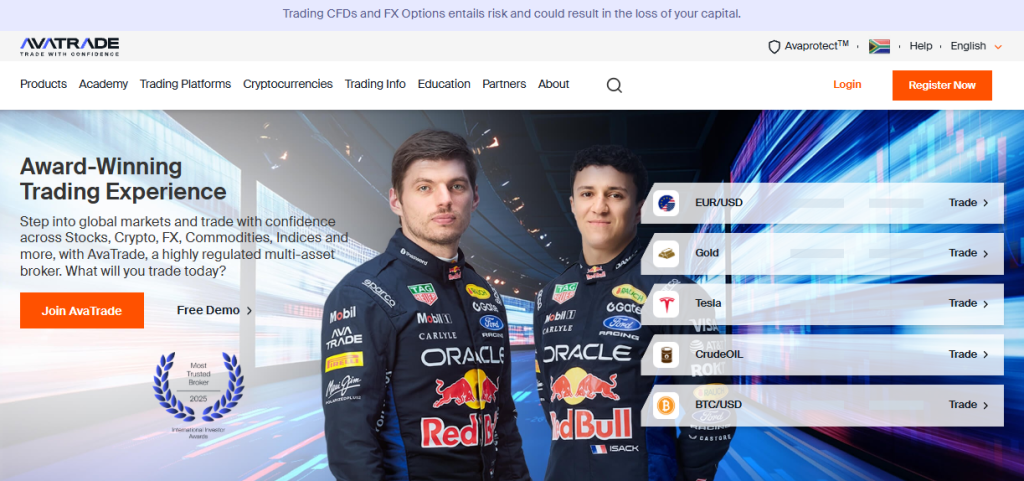
AvaTrade operates as a globally regulated forex broker under multiple Tier-1 jurisdictions, including the Central Bank of Ireland 🇮🇪, ASIC 🇦🇺, FSCA 🇿🇦, and JFSA 🇯🇵. It accepts traders from 🇰🇷 South Korea through its international entities, offering secure access to forex and CFD markets under strict global compliance frameworks.
| Broker | AvaTrade |
| Global Regulation | ASIC 🇦🇺 CySEC 🇨🇾 FSCA 🇿🇦 JFSA 🇯🇵 |
| Market Access | Forex indices commodities CFDs |
| Platform Options | MT4 MT5 proprietary platforms |
| South Korea Access | Accepts clients via international entities |
| Risk Tools | Strong built-in risk management features |
| Reputation | Long-established global broker |
| Trading Conditions | Fixed and competitive spreads |
| Education Support | Strong beginner learning resources |
| Account Flexibility | Demo and retail account options |
| Compliance Model | Strict multi-jurisdiction oversight |
| Read Review | |
| Open an Account | |
 | Minimum Deposit: $100 Regulated by: CBI, BVI, FSC, ASIC, FSCA, JFSA, FFAJ Crypto: Yes |
Frequently Asked Questions
Is AvaTrade regulated for South Korean traders?
AvaTrade is not regulated locally by the FSC or FSS in 🇰🇷 South Korea. Instead, it operates under international regulators such as ASIC 🇦🇺, CySEC 🇨🇾, FSCA 🇿🇦, and others. South Korean traders access the broker through its global entities under offshore or international licensing.
Does AvaTrade accept traders from South Korea directly?
Yes. AvaTrade accepts traders from 🇰🇷 South Korea through its international trading structure. Clients register under global entities rather than a domestic Korean license, allowing access to forex, indices, commodities, and CFDs under internationally regulated conditions.
| Minimum Deposit: $100 Regulated by: CBI, BVI, FSC, ASIC, FSCA, JFSA, FFAJ Crypto: Yes |
Pros and Cons
| ✓ Pros | ✕ Cons |
| Strong global regulation | No local 🇰🇷 South Korea license |
| Accepts South Korean traders | Inactivity fees apply |
| Wide range of trading instruments | Limited account types |
| Strong risk management tools | Currency conversion costs possible |
| Established global reputation | No direct local office presence |
Our Insights
AvaTrade functions as a globally regulated broker and actively accepts traders from 🇰🇷 South Korea via its international entities. While it does not hold local FSC or FSS licensing, it maintains strong oversight through multiple global regulators such as 🇮🇪 Ireland’s Central Bank and 🇦🇺 ASIC, ensuring a secure and compliant trading environment.
| # | Criteria | Score |
| 1 | Overall Rating and Trust Score | ⭐⭐⭐⭐☆ |
| 2 | Range of Investments, Platforms and Tools | ⭐⭐⭐⭐☆ |
| 3 | Commissions, Fees, and Bonus Offers | ⭐⭐⭐⭐☆ |
| 4 | Research and Education | ⭐⭐⭐⭐☆ |
| 5 | Mobile Trading and User Experience | ⭐⭐⭐⭐⭐ |
| 6 | Customer Support and Regulatory Compliance | ⭐⭐⭐⭐⭐ |
| 7 | Deposit and Withdrawal Option | ⭐⭐⭐⭐☆ |
| 8 | Execution Speed and Order Types | ⭐⭐⭐⭐☆ |
| 9 | Risk Management and Safety Measures | ⭐⭐⭐⭐⭐ |
| 10 | Markets Analysis and Trading Tools | ⭐⭐⭐⭐☆ |
3. Eightcap
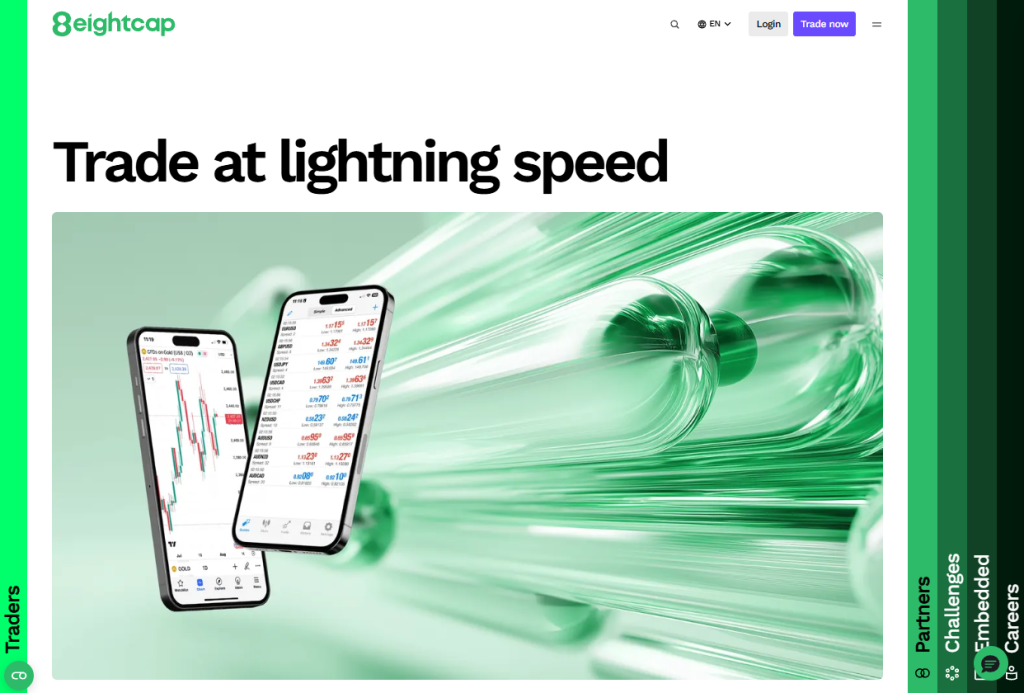
Eightcap operates as a globally regulated forex and CFD broker under top-tier authorities such as ASIC 🇦🇺, FCA 🇬🇧, CySEC 🇨🇾, and SCB 🇧🇸. It accepts traders from 🇰🇷 South Korea through its international entities, offering access to forex, indices, commodities, and crypto CFDs. The broker focuses on low-cost trading and advanced platform integration, like MetaTrader and TradingView.
| Broker | Eightcap |
| Global Regulation | ASIC 🇦🇺 FCA 🇬🇧 CySEC 🇨🇾 SCB 🇧🇸 |
| South Korea Access | Accepts clients via international entities |
| Trading Platforms | MT4 MT5 TradingView integration |
| Market Access | Forex indices commodities crypto CFDs |
| Pricing Model | Raw spreads and low commissions |
| Execution Speed | Fast order execution environment |
| Asset Range | 800+ CFD instruments |
| Crypto Offering | Strong crypto CFD selection |
| Account Types | Standard and Raw accounts |
| Reputation | Established global broker since 2009 |
| Read Review | |
| Open an Account | |
 | Minimum Deposit: $100 Regulated by: ASIC, FCA, CySEC, SCB Crypto: Yes |
Frequently Asked Questions
Is Eightcap regulated for South Korean traders?
Eightcap is not regulated locally by FSC or FSS in 🇰🇷 South Korea. Instead, it operates under global regulators such as ASIC 🇦🇺, FCA 🇬🇧, and CySEC 🇨🇾. South Korean traders access it through its international or offshore entities under these jurisdictions.
Does Eightcap accept traders from South Korea directly?
Yes. Eightcap accepts traders from 🇰🇷 South Korea via its international structure. Clients register under offshore-regulated entities such as SCB 🇧🇸, allowing access to global markets including forex, commodities, indices, and CFDs.
| Minimum Deposit: $100 Regulated by: ASIC, FCA, CySEC, SCB Crypto: Yes |
Pros and Cons
| ✓ Pros | ✕ Cons |
| Strong multi-jurisdiction regulation | No local 🇰🇷 South Korea license |
| Accepts South Korean traders | No FSCA or FSS oversight |
| Low spreads and commissions | Offshore entity onboarding required |
| Advanced TradingView integration | Limited regional customization |
| Wide range of CFD markets | No US market access |
Our Insights
Eightcap operates as a globally regulated broker and actively accepts traders from 🇰🇷 South Korea through its international entities. While it does not hold local FSC or FSS regulation, it maintains strong oversight from ASIC 🇦🇺, FCA 🇬🇧, and CySEC 🇨🇾, ensuring secure trading conditions and competitive market access.
| # | Criteria | Score |
| 1 | Overall Rating and Trust Score | ⭐⭐⭐⭐☆ |
| 2 | Range of Investments, Platforms and Tools | ⭐⭐⭐⭐☆ |
| 3 | Commissions, Fees, and Bonus Offers | ⭐⭐⭐⭐☆ |
| 4 | Research and Education | ⭐⭐⭐☆☆ |
| 5 | Mobile Trading and User Experience | ⭐⭐⭐⭐☆ |
| 6 | Customer Support and Regulatory Compliance | ⭐⭐⭐⭐☆ |
| 7 | Deposit and Withdrawal Option | ⭐⭐⭐⭐☆ |
| 8 | Execution Speed and Order Types | ⭐⭐⭐⭐☆ |
| 9 | Risk Management and Safety Measures | ⭐⭐⭐⭐☆ |
| 10 | Markets Analysis and Trading Tools | ⭐⭐⭐☆☆ |
Top 3 Forex Brokers in South Korea – XM vs AvaTrade vs Eightcap
| Broker |  |  |  |
| Regulatory Strength (Relevant to Korea) | Multi-regulated (ASIC, CySEC, DFSA) | Heavily regulated globally including Japan and FSCA | Strong Tier-1 regulation (ASIC, FCA, CySEC) |
| Trust Level | High trust, widely established | Very high trust score | High trust with multiple Tier-1 licenses |
| Trading Costs | Generally low spreads | Competitive, often lower overall costs | Low fees, RAW spreads and commission |
| Platforms | MT4 MT5 | MT4 MT5 Proprietary | MT4 MT5 TradingView integration |
| Assets Available | Broad multi-asset offering | 1,250 plus instruments across markets | 1,000 plus including strong crypto CFDs |
| Best For (Korean Traders) | Beginners (low entry and bonuses) | Safety-focused traders and stability | Advanced traders and crypto exposure |
| Read Review | | | |
| Open an Account | | | |
4. Pepperstone
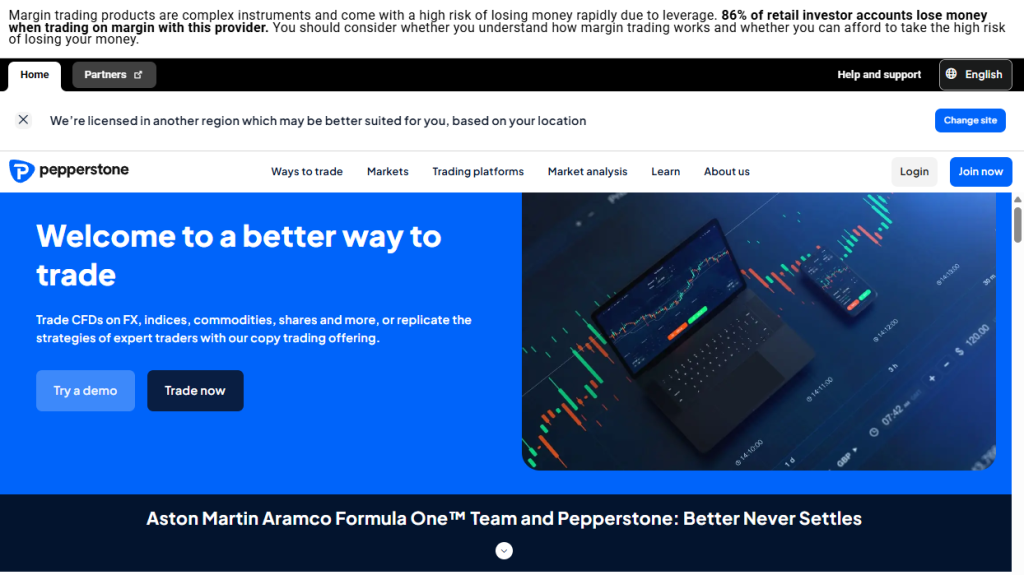
Pepperstone operates as a globally regulated forex and CFD broker under multiple Tier-1 authorities, including ASIC 🇦🇺, FCA 🇬🇧, CySEC 🇨🇾, DFSA 🇦🇪, and BaFin 🇩🇪. It accepts traders from 🇰🇷 South Korea through its international entities, offering fast execution, low spreads, and access to global forex and CFD markets under strict global compliance standards.
| Broker | Pepperstone |
| Global Regulation | ASIC 🇦🇺 FCA 🇬🇧 CySEC 🇨🇾 DFSA 🇦🇪 |
| South Korea Access | Accepts clients via international entities |
| Trading Platforms | MT4 MT5 cTrader TradingView |
| Market Access | Forex indices commodities shares |
| Trading Costs | Ultra-low spreads and commissions |
| Execution Speed | Fast order execution with deep liquidity |
| Trading Style Support | Scalping hedging algorithmic trading |
| Account Types | Standard and Razor accounts |
| Reputation | Strong global broker since 2010 |
| Risk Controls | Negative balance protection available |
| Read Review | |
| Open an Account | |
 | Minimum Deposit: $10 Regulated by: ASIC, BaFin, CMA, CySEC, DFSA, FCA, SCB Crypto Yes (only CFDs) |
Frequently Asked Questions
Is Pepperstone regulated for South Korean traders?
Pepperstone is not locally regulated by FSC or FSS in 🇰🇷 South Korea. Instead, it operates under top-tier global regulators such as ASIC 🇦🇺 and FCA 🇬🇧. South Korean traders access the broker through its international entities, depending on jurisdictional onboarding rules.
Does Pepperstone accept traders from South Korea directly?
Yes. Pepperstone accepts traders from 🇰🇷 South Korea through its international structure. Clients register under offshore or global entities rather than a local Korean license, gaining access to forex, indices, commodities, and CFDs under regulated global conditions.
| Minimum Deposit: $10 Regulated by: ASIC, BaFin, CMA, CySEC, DFSA, FCA, SCB Crypto Yes (only CFDs) |
Pros and Cons
| ✓ Pros | ✕ Cons |
| Strong Tier-1 regulation | No local 🇰🇷 South Korea license |
| Accepts South Korean traders | No direct FSC or FSS oversight |
| Very low spreads | Limited promotional bonuses |
| Fast execution speed | No US client access |
| Wide platform choice | Some funding fees depending on method |
Our Insights
Pepperstone operates as a highly regulated global broker and actively accepts traders from 🇰🇷 South Korea via its international entities. Although it does not hold FSC or FSS licensing, it maintains strong oversight through ASIC 🇦🇺 and FCA 🇬🇧, delivering a secure, low-cost, and fast trading environment for global clients.
| # | Criteria | Score |
| 1 | Overall Rating and Trust Score | ⭐⭐⭐⭐☆ |
| 2 | Range of Investments, Platforms and Tools | ⭐⭐⭐⭐☆ |
| 3 | Commissions, Fees, and Bonus Offers | ⭐⭐⭐⭐☆ |
| 4 | Research and Education | ⭐⭐⭐☆☆ |
| 5 | Mobile Trading and User Experience | ⭐⭐⭐⭐☆ |
| 6 | Customer Support and Regulatory Compliance | ⭐⭐⭐⭐☆ |
| 7 | Deposit and Withdrawal Option | ⭐⭐⭐☆☆ |
| 8 | Execution Speed and Order Types | ⭐⭐⭐⭐⭐ |
| 9 | Risk Management and Safety Measures | ⭐⭐⭐⭐☆ |
| 10 | Markets Analysis and Trading Tools | ⭐⭐⭐☆☆ |
5. Tickmill
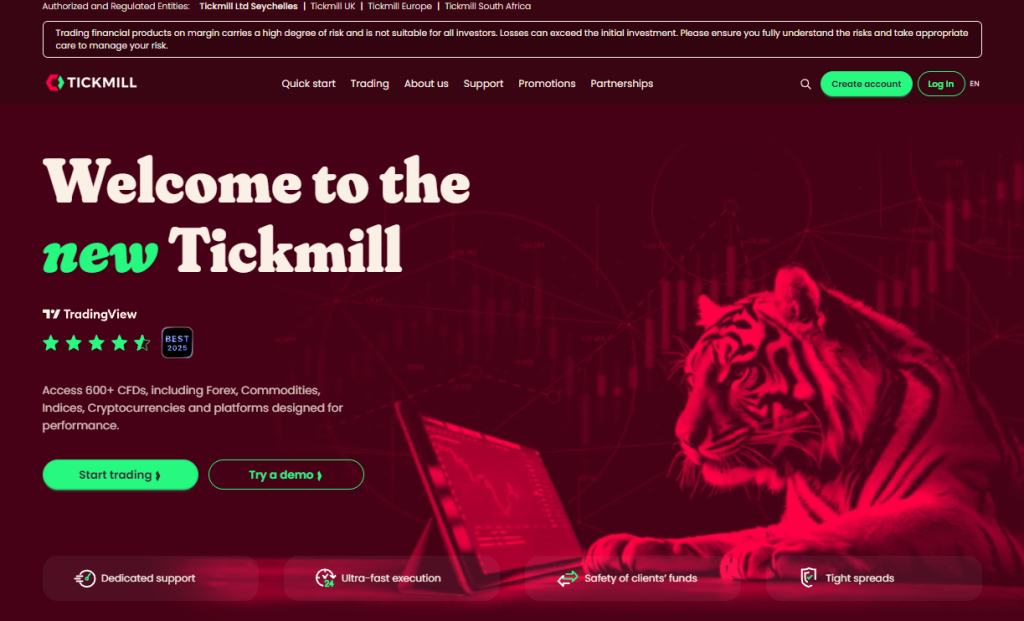
Tickmill operates as a globally regulated forex broker under multiple Tier-1 and Tier-2 authorities, including the FCA 🇬🇧, CySEC 🇨🇾, FSCA 🇿🇦, and FSA 🇸🇨. It accepts traders from 🇰🇷 South Korea through its international entities, offering low-cost trading, fast execution, and access to global forex and CFD markets under strict regulatory oversight.
| Broker | Tickmill |
| Global Regulation | FCA 🇬🇧 CySEC 🇨🇾 FSCA 🇿🇦 FSA 🇸🇨 |
| South Korea Access | Accepts clients via international entities |
| Trading Platforms | MT4 MT5 |
| Market Access | Forex indices commodities bonds CFDs |
| Trading Costs | Low spreads and commissions |
| Execution Speed | Fast No Dealing Desk execution |
| Account Types | Classic Pro VIP accounts |
| Leverage Options | High leverage availability (varies by entity) |
| Reputation | Established global broker since 2014 |
| Risk Controls | Segregated funds and strict compliance |
| Read Review | |
| Open an Account | |
 | Minimum Deposit: $100 Regulated by: FCA, CySEC, FSA Crypto: Yes |
Frequently Asked Questions
Is Tickmill regulated for South Korean traders?
Tickmill is not locally regulated by FSC or FSS in 🇰🇷 South Korea. Instead, it operates under international regulators such as FCA 🇬🇧, CySEC 🇨🇾, and FSCA 🇿🇦. South Korean traders access the broker through its offshore or global entities under these regulatory frameworks.
Does Tickmill accept traders from South Korea directly?
Yes. Tickmill accepts traders from 🇰🇷 South Korea through its international structure. Clients register under global entities rather than a local Korean license, enabling access to forex, indices, commodities, and CFDs under internationally regulated conditions.
| Minimum Deposit: $100 Regulated by: FCA, CySEC, FSA Crypto: Yes |
Pros and Cons
| ✓ Pros | ✕ Cons |
| Strong global regulation | No local 🇰🇷 South Korea license |
| Accepts South Korean traders | Fewer promotional bonuses |
| Very low trading costs | Offshore entity onboarding required |
| Fast execution speeds | Limited proprietary platform options |
| Segregated client funds | Restricted leverage in some regions |
Our Insights
Tickmill operates as a globally regulated broker and actively accepts traders from 🇰🇷 South Korea via its international entities. While it does not hold local FSC or FSS licensing, it maintains strong oversight from regulators such as FCA 🇬🇧 and CySEC 🇨🇾, ensuring a secure, transparent, and low-cost trading environment.
5 Best Forex Brokers in South Korea – A Comparison
| Strong global regulation and trusted reputation. Low minimum deposit, accessible for new traders. | | |
| Highly regulated broker with global oversight. Fixed spreads offering cost predictability. | | |
| Competitive pricing suited for cost conscious traders. Strong crypto CFD offering. | | |
 | Ultra-low spreads ideal for active traders. Fast execution with deep liquidity. | | |
 | Low-cost trading environment. Transparent pricing with low commissions. | | |
Forex Brokers in South Korea – A Quick Overview
Forex brokers in South Korea provide beginners with access to global financial markets within a highly regulated and secure environment overseen by the Financial Services Commission and Financial Supervisory Service. For new traders, this means strong investor protection, transparent trading conditions, and access to user-friendly platforms like MetaTrader, although leverage is typically lower and trading conditions are more conservative compared to offshore brokers.
What Real Traders Want to Know About Forex Brokers in South Korea!
Q: Are forex brokers in South Korea safe to use?
A: Yes. Brokers regulated by the Financial Services Commission (FSC) and the Financial Supervisory Service (FSS) must follow strict rules. These rules ensure investor protection, transparency, and fair trading practices.
Q: What does it mean to trade with a regulated broker in South Korea?
A: It means the broker complies with local financial regulations, including client fund protection, risk disclosures, and strict operational oversight to ensure a secure trading environment.
Q: Which are the best forex brokers available in South Korea?
A: Popular choices among traders include internationally regulated brokers such as XM, AvaTrade, Eightcap, Pepperstone, and Tickmill, known for reliability and strong trading conditions.
Q: What can I trade with forex brokers in South Korea?
A: Traders can typically access forex pairs, commodities, indices, and sometimes stocks and cryptocurrencies, depending on the broker’s offering and account type.
Q: Do South Korean-regulated brokers protect client funds?
A: Yes. Regulated brokers must keep client funds in segregated accounts. They also follow strict compliance standards. This helps improve security and financial stability.
Pros and Cons of Forex Brokers in South Korea
| ✓ Pros | ✕ Cons |
| Strong FSC and FSS regulation | Strict leverage limits |
| High investor protection | Fewer bonus promotions |
| Segregated client funds | More conservative trading conditions |
| Transparent pricing and rules | Limited high-risk strategies allowed |
| Access to global markets | More complex onboarding process |
You might also like:
In Conclusion
Forex trading in South Korea is tightly regulated by the Financial Services Commission (FSC) and the Financial Supervisory Service (FSS). This ensures strong investor protection, transparency, and secure trading conditions. Leading brokers like XM, AvaTrade, Eightcap, Pepperstone, and Tickmill stand out for their reliability, compliance, and competitive trading environments.
Yes. Brokers regulated by the FSC and FSS must follow strict rules ensuring security, transparency, and investor protection.
Forex trading is regulated by the Financial Services Commission (FSC) and supervised by the Financial Supervisory Service (FSS).
Top choices include XM, AvaTrade, Eightcap, Pepperstone, and Tickmill due to their strong regulation and trading conditions.
They operate under strict compliance rules, offering higher safety but more conservative trading conditions than offshore brokers.
Yes. Traders can access forex pairs, commodities, indices, stocks, and sometimes cryptocurrencies.
Yes, but leverage is limited under South Korean regulations to reduce trading risk.
Yes. Regulated brokers must keep client funds in segregated accounts for added security.
Most brokers offer MetaTrader 4, MetaTrader 5, and, in some cases, proprietary platforms.
Because they offer strong oversight, fair trading conditions, transparent pricing, and high financial security.

Sidebar rates

