Natural Gas Prices Torn between Withdrawal Report and Winter Weather Forecasts
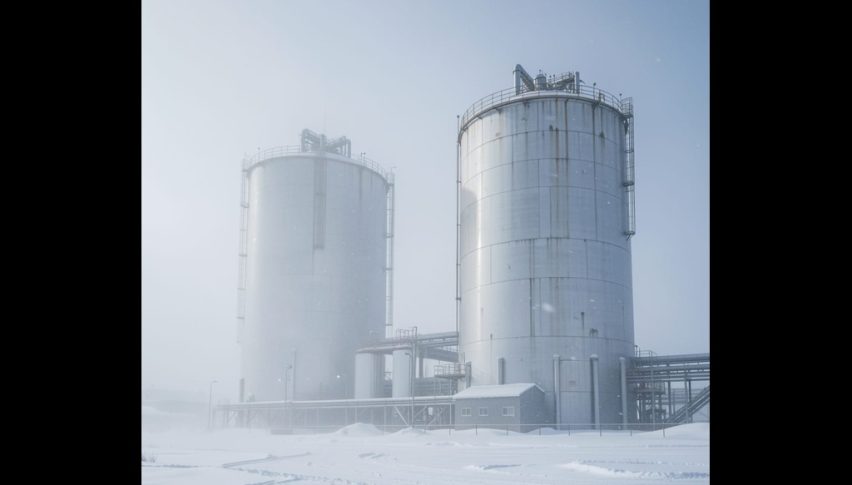
Gas rates are holding steady in the LNG market as the price is pulled between withdrawal reports and cold weather forecasts.
Quick overview
- Natural gas futures initially fell after a smaller-than-expected withdrawal of 52 billion cubic feet, dropping to $2.83/MMBtu.
- Forecasts of upcoming cold weather caused prices to rebound slightly to $2.84, as demand is expected to increase.
- High production levels are anticipated to keep prices low, with inventories currently about 7.5% higher than last year.
- The market is expected to remain bearish through mid-2026, with prices likely not sustaining gains despite cold weather.
On Friday, natural gas futures fell after the latest EIA report and then rose after weather forecasts called for more winter weather to come.
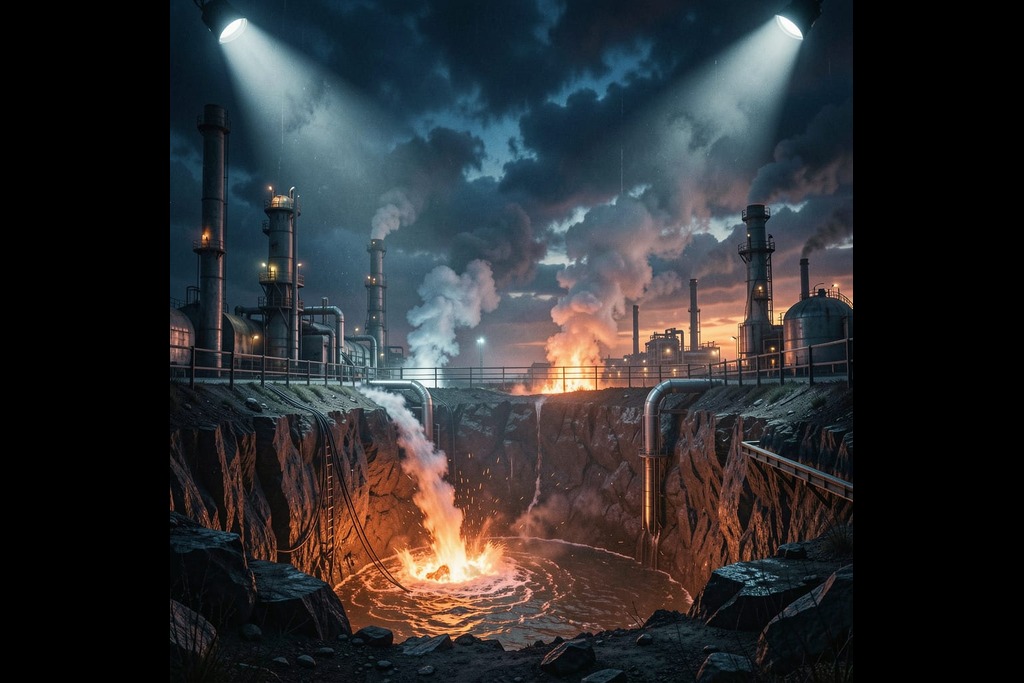
The Energy Information Administration reported that 52 billion cubic feet of gas was withdrawn last week, which was less than expected. That report caused the price of gas futures in the United States to drop to $2.83/MMBtu. Then, forecasters called for cold weather in the upcoming weeks, bringing the price back up to $2.84.
With a smaller withdrawal than expected, the gas prices dipped, but the cold weather that is headed into the United States could dramatically increase demand. Investors should weigh the current inventory levels against that promise of cold weather, as stockpiles are about 7.5% higher now than they were at the same time last year.
High Production Expected to Keep Prices Low
Over the next few months, production of natural gas should only grow. Production levels will ramp up during the spring and summer, especially as new production lines are started and new production facilities go into action. As of the latest report, the lower 48 states were putting out about 108.7 bcfd for February. That number should get higher next month even as demand falls off for the springtime.
Prices will continue to be pulled down by heavy production, and lower demand as the year progresses will result in excessively high inventories that are on par with what we saw last year. The price of gas futures remained low through much of 2025 until cold weather finally forced demand higher. Even then, the inventories were overflowing with natural gas, and there was no shortage to make prices go very high.
The same issue is likely to weigh on gas futures through the middle of 2026 especially, as by that time, production facilities will be operating at their peak and will have little demand from the market to pull inventory levels down. Price indicators support a bearish market that is unlikely to retain gains. The broad pattern shows that gas futures could not keep their January increases and may not be able to sustain any extended rally, even with cold weather coming in.
The price is consolidating around $2.80, and investors may put up a fight as the price begins to drop, but after the cold weather passes, we do not think the price will remain above $2.80. Investors should prepare for an extended bear market through much of the spring and the summer, especially as U.S. export sales drop with diminishing demand.
- Check out our free forex signals
- Follow the top economic events on FX Leaders economic calendar
- Trade better, discover more Forex Trading Strategies
- Open a FREE Trading Account
- Read our latest reviews on: Avatrade, Exness, HFM and XM

Related Articles


Sidebar rates

Related Posts
 Save
Save