Latin American LNG Supply at Risk Due to Iran Diversions
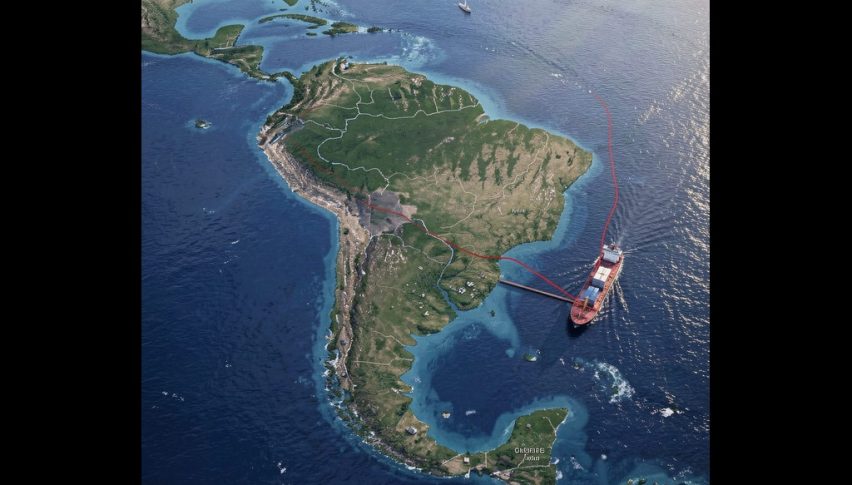
LNG rates are up in the United States now that Latin America's supply has been threatened by diverted transportation from the Middle East.
Quick overview
- Ongoing fighting in the Middle East is disrupting global oil and gas transportation, particularly affecting Latin America's LNG supply.
- Vessels carrying natural gas to Latin America are being redirected to higher-paying markets in Europe and Asia due to increased demand and threats to supply lines.
- U.S. LNG prices are rising as Latin American customers may need to import gas from the U.S. to compensate for the lack of supply from the Middle East.
- Iran's actions, including threats to supply routes and potential cyberattacks, pose a significant risk to global energy supplies and could increase demand for U.S. LNG.
The transportation of oil and gas throughout the world has been disrupted by ongoing fighting in the Middle East, with the latest casualty being Latin American and its LNG supply.

Vessels carrying natural gas bound for Latin America have been sent to other countries where the payout is higher as the fighting in Iran continues to disrupt the transport of energy supplies. Natural gas levels are now threatened throughout the region as Iran is threatening the supply lines and European and Asian customers are pledging to pay more.
The gas is going where the money is, following the demand for LNG in areas where supplies are in danger due to ongoing conflict in the Middle East. Iran has already destroyed one oil transport ship and threatened the supply routes of many others.
U.S. LNG Rates Climb on Supply Problems
With the Latin American supply of natural gas at risk for now, LNG prices in the United States are increasing. LNG futures for the U.S. market rose from $3.1 to $3.3 per MMBtu on Thursday. There is concern that Latin America customers will need to have their gas imported from the United States to make up for the lack of supply from Middle East suppliers.
Oil production companies may also ship to Europe and Asia where supplies are dwindling and demand is rising at the moment, diverting away from their regular customers to chase the higher paying clients. All of the regions around the Middle East are feeling the pinch of restricted oil and gas supplies, since Iran holds the keys to about 20% of the world’s available oil and gas resources.
Global energy supplies are in constant fluctuation as Iran conducts fierce fighting with both Israel and the United States. There are even reports that Iran is engaging in cyberattacks on U.S. soil and may be planning drone strikes there as well. The EIA has promised to release 400 barrels of emergency oil reserves to needy markets, but even that may not be enough to keep inventories high if the fighting is protracted.
The U.S. LNG market reported a withdrawal of 41 billion cubic feet recently, and that is down from the average for this season, however, with dwindling supplies around the world, U.S. LNG may be in high demand soon. There is a severe risk that Iran will use any means necessary to disrupt oil supplies around the world as the fighting continues, which could raise U.S export sales and create a strong demand for U.S. inventories in other areas.
- Check out our free forex signals
- Follow the top economic events on FX Leaders economic calendar
- Trade better, discover more Forex Trading Strategies
- Open a FREE Trading Account
- Read our latest reviews on: Avatrade, Exness, HFM and XM

Related Articles



Sidebar rates

Related Posts
 Save
Save