Gold and Silver Drop Up to 6.4%, Losing Safe-Haven Appeal
Another key signal is the lack of inflows into gold-backed investment vehicles, suggesting that demand remains subdued.
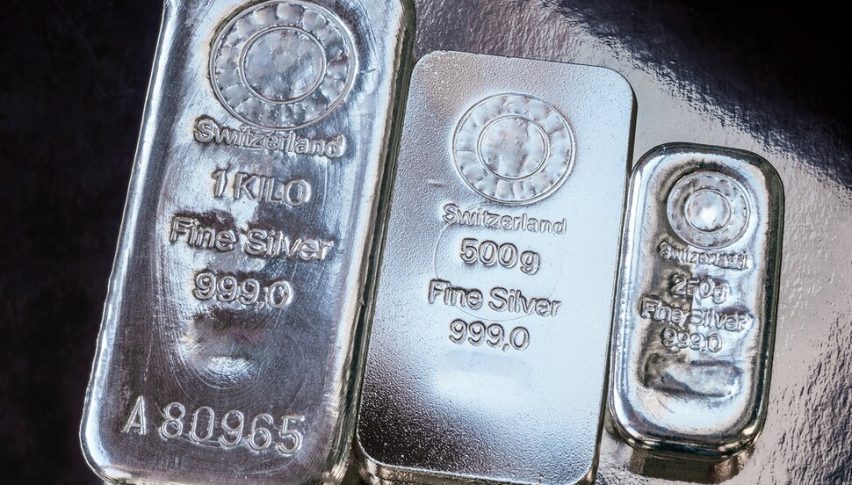
Quick overview
- Precious metals, including gold and silver, continued to decline despite rising tensions in the Middle East, influenced by a stronger U.S. dollar and high interest rates.
- Gold fell 5.1% to around $4,500 per ounce, while silver dropped 6.4%, marking a negative week for both metals.
- Analysts note a lack of safe-haven demand, with investors selling defensive assets to raise liquidity amid macroeconomic pressures.
- Logistical challenges from the ongoing conflict are complicating the transport of gold, further dampening demand for these precious metals.
Precious metals extended their losses on Thursday despite escalating tensions in the Middle East, pressured by a stronger U.S. dollar, elevated interest rates, and a lack of hedging demand from investors.
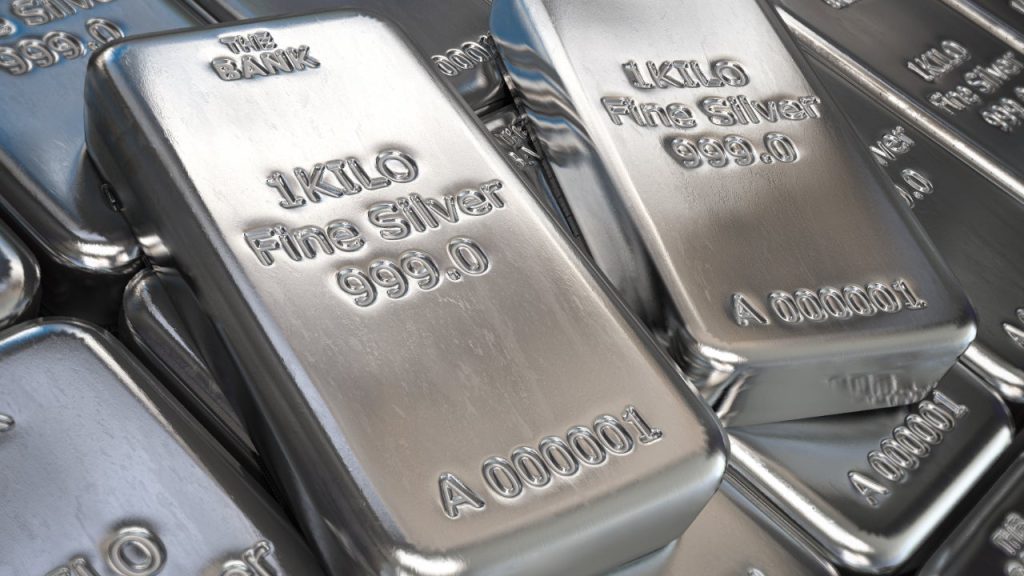
Gold and silver continued their downward trend, deepening declines accumulated over recent days — a move that stands out given the geopolitical backdrop, where such assets have historically served as safe havens.
In the spot market, gold fell 5.1% to around $4,500 per ounce. Silver posted an even steeper decline, dropping 6.4%, capping a clearly negative week for both metals.
The sell-off unfolded amid heightened global uncertainty, with declines across both equity and bond markets, as investors closely monitor the ongoing conflict involving Israel, the United States, and Iran, now entering its third week.
Why precious metals are falling
Contrary to typical market behavior, precious metals are failing to attract safe-haven flows. According to analysts at Julius Baer, prices have weakened since the start of the week, breaking key levels — $5,000 for gold and $80 for silver — highlighting a notable lack of investor interest in hedging under current conditions.
Several factors are driving this dynamic. Chief among them are the strengthening U.S. dollar, rising U.S. Treasury yields, and expectations that the Federal Reserve will remain less inclined to ease monetary policy.
“Gold and silver markets are barely reacting to the conflict in the Middle East,” Julius Baer analysts noted, adding that any geopolitical-driven upside is being offset by macroeconomic headwinds.
Similarly, analysts at Kingswood Group pointed out that many investors are even selling traditionally defensive assets to raise liquidity. “We are seeing a phase where safe havens are also being liquidated to fund positions in assets that have reacted more sharply,” they said.
Logistical challenges are also playing a role. Disruptions to air and maritime routes due to the conflict are making the physical transport of gold more expensive and complex, further weighing on demand.
Another key signal is the lack of inflows into gold-backed investment vehicles, suggesting that even at current price levels, hedging demand remains subdued.
Looking ahead, analysts agree that gold may only regain its safe-haven role if global conditions deteriorate further and financial stress intensifies. Silver, however, faces a more challenging outlook, as its performance tends to be more closely tied to the economic cycle than to crisis-driven demand for protection.
- Check out our free forex signals
- Follow the top economic events on FX Leaders economic calendar
- Trade better, discover more Forex Trading Strategies
- Open a FREE Trading Account
- Read our latest reviews on: Avatrade, Exness, HFM and XM

Related Articles
Sidebar rates

Related Posts
 Save
Save