South Korea to Pilot Tokenized Deposits for Government Spending in 2026 Sejong City Trial
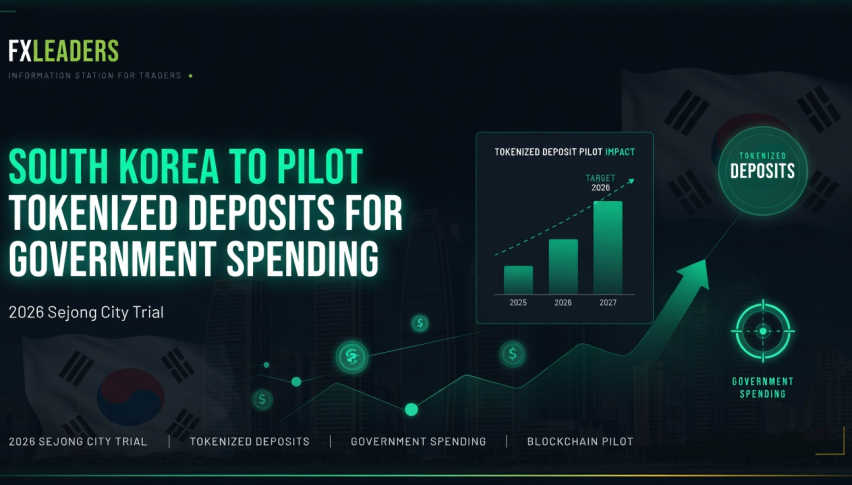
South Korea is actually getting ready to test this new idea for blockchain-based tokenized deposits for a limited number of government...
Quick overview
- South Korea is launching a pilot program for blockchain-based tokenized deposits to enhance transparency in government spending.
- The pilot, starting in Sejong City, aims to implement programmable financial controls to ensure funds are used appropriately.
- This initiative is part of a broader strategy to integrate distributed ledger technology into public finance, targeting 25% of treasury spending through digital systems by 2030.
- Successful implementation could influence global trends in programmable payments and public sector currency adoption.
South Korea is actually getting ready to test this new idea for blockchain-based tokenized deposits for a limited number of government spending-projects under a regulatory sandbox thats a big step towards making public finances a bit more programmable.
The Ministry of Economy and Finance announced on April 15, 2026 that they are now going to start this pilot in Sejong City, before they roll it out to the rest of the country, aiming to have it all wrapped up by the fourth quarter of that year. This project will basically use digital versions of the old deposit accounts that banks have always used to sort out government expenses. But this time they’ll also have these rules written in to the system to ensure that the money being spent fits with whatever goals they’re trying to achieve -things like only being allowed to spend money in certain categories or only at certain times of day.
The main idea here is to make sure that the government can be a lot more transparent about how its money is being spent, make sure they’re keeping an eye on where its going, and try to stop any potential misuse of funds – all of that, while still playing by the existing financial rules.
Sandbox Pilot , Design and Spending Controls
As part of this sandbox project, the Ministry will be working alongside banks and payment providers to make a plan for what this trial will cover and how these tokenised deposits will actually work in real-world government spending. At first, they’re going to focus on government spending that currently gets handled through things like government issued credit cards and reporting systems.
South Korea Moves Toward Tokenized Government Spending Pilot
South Korea’s finance ministry is preparing a pilot to test blockchain based payments for government expenses.
The program will use tokenized deposits to execute operational spending. It will first launch in Sejong… pic.twitter.com/EGzdMYWGhV
— BSCN (@BSCNews) April 16, 2026
Programmable deposits will enable them to set all sorts of conditions beforehand, like:
- How long you have to spend the money
- Only being able to use it to buy a certain kind of thing
- Setting limits on how much you can spend
This is basically creating a whole layer of automated checks on how money is being used. Which means that instead of having to do lots of paperwork afterwards to make sure everything went right, they’ll get real-time reports and a full digital paper trail.
Macro Push Toward Programmable Public Finance
This project is part of a larger effort to get distributed ledger tech integrated into government run financial systems. Now, these tokenised deposits are a bit different from stablecoins because they’re still liabilities for the banks that issue them – they’re just part of the regulated banking system. Which means that its got the potential to reduce some of the systemic risks associated with blockchain, while at the same time making it easier to do lots of the things that you want to do with blockchain.
I think that the people who are making these policy decisions are thinking of this as a way to bridge the gap between the old way of doing things and the new digital way that everyone’s so excited about.
Expansion Path and 2030 Treasury Digitization Goal
This pilot is building on some earlier experiments that they did involving tokenised deposits for electric vehicle charging that was launched in March in collaboration with the Environment Ministry and Bank of Korea. And if you look at what the Ministry of Economy and Finance has been saying – they want to get 25% of their treasury spending done through digital currency-style systems by 2030. So yeah, this is definitely all part of a much bigger plan to modernise government finances.
BOMBSHELL: Monica Long says Korea’s first tokenized government bond settlement is happening on Ripple infrastructure. pic.twitter.com/ufhvr7lvPb
— Crypto Emperor (@Cryptoemperor06) April 16, 2026
Market Implications
If this thing actually works then it could end up influencing how governments do their programmable payments and help get more institutions on board with blockchain – which will probably help South Korea stay ahead in the global competition to modernise central banking and treasury systems.
Obviously, the success of this pilot will inform how they go about doing things in the future – probably in some way. Some analysts think that the early results are going to lay the groundwork for future debates about programmable financial infrastructure and public sector currency adoption – and that this is probably going to have a big impact on finance in Asia.
- Check out our free forex signals
- Follow the top economic events on FX Leaders economic calendar
- Trade better, discover more Forex Trading Strategies
- Open a FREE Trading Account
- Read our latest reviews on: Avatrade, Exness, HFM and XM

Related Articles


Sidebar rates

Related Posts
 Save
SaveAva