Bitcoin Nears $76,000 Despite Middle East Turmoil
Renewed tensions between the United States, Israel, and Iran have once again put pressure on risk assets.

Quick overview
- The crypto market is demonstrating resilience to geopolitical tensions, unlike traditional equities.
- Bitcoin is trading just below $76,000 after a surge last Friday, while Ethereum holds above $2,300.
- A significant short squeeze occurred over the weekend, resulting in $762 million in liquidations.
- Analysts suggest that crypto may have effectively priced in geopolitical risks better than traditional markets.
Despite escalating conflict in the Middle East, the crypto market is showing increasing resilience to geopolitical shocks compared to traditional equities.
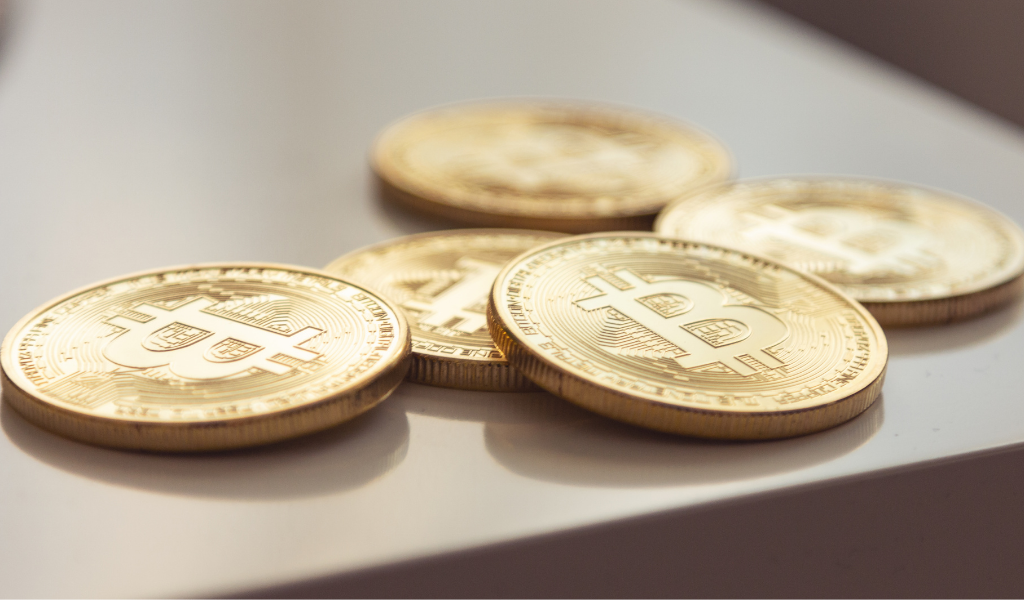
Bitcoin (BTC) is starting the week with moderate gains, trading just below the $76,000 mark after comfortably surpassing $78,000 last Friday. Renewed tensions between the United States, Israel, and Iran have once again put pressure on risk assets.
Ethereum (ETH) is up around 1%, holding above $2,300. The broader crypto market is following suit: XRP, Solana (SOL), Cardano (ADA), Dogecoin (DOGE), and Chainlink (LINK) are all trading in positive territory. The exceptions are Hyperliquid and Tron (TRX), which are down 2.4% and 1.6%, respectively, over the past 24 hours.
Short squeeze fuels volatility
Weekend volatility triggered one of the largest short squeezes of the year in the crypto market. Bitcoin’s surge toward $78,000 on Friday night led to $762 million in liquidations across 168,336 traders, with $593 million coming from short positions, according to CoinGlass data.
Gulf tensions back in focus
The early-session pullback was driven by reports of a U.S. attack on an Iranian-flagged cargo vessel, which pushed oil prices higher and triggered a flight from risk assets.
This was compounded by Iran’s renewed closure of the Strait of Hormuz—a key route for roughly one-fifth of global oil supply—which had briefly reopened on Friday amid stalled negotiations with Washington.
At the same time, Iranian state broadcaster IRIB reported that Tehran declined to meet with U.S. officials in Pakistan to continue peace talks. The official IRNA news agency warned that Washington’s “unrealistic and unreasonable demands” offer little prospect for an agreement.
From Washington, President Donald Trump added to the uncertainty. On Friday, he claimed Iran had agreed to an “indefinite” suspension of its nuclear program, but by Sunday he threatened to target Iranian infrastructure if negotiations collapse.
Crypto proves more resilient than equities
Analysts note that this marks the fourth major Iran-related geopolitical shock that digital assets have absorbed since the conflict began. While the pattern remains—peace headlines drive rallies that later fade—downside moves are becoming increasingly limited, unlike the sharper declines seen in equities.
According to market participants, crypto may have already priced in extreme geopolitical risk more effectively than traditional markets. Two main explanations stand out: either sellers reacting to negative headlines have largely exited, or sustained demand from spot Bitcoin ETFs is providing a stronger and more reliable floor for the market.
- Check out our free forex signals
- Follow the top economic events on FX Leaders economic calendar
- Trade better, discover more Forex Trading Strategies
- Open a FREE Trading Account
- Read our latest reviews on: Avatrade, Exness, HFM and XM

Related Articles

Sidebar rates

Related Posts
 Save
Save