Silver Poised for Sixth Consecutive Year of Structural Deficit
The Silver Institute predicts that despite strong demand for coins and bars and dwindling supply,
Quick overview
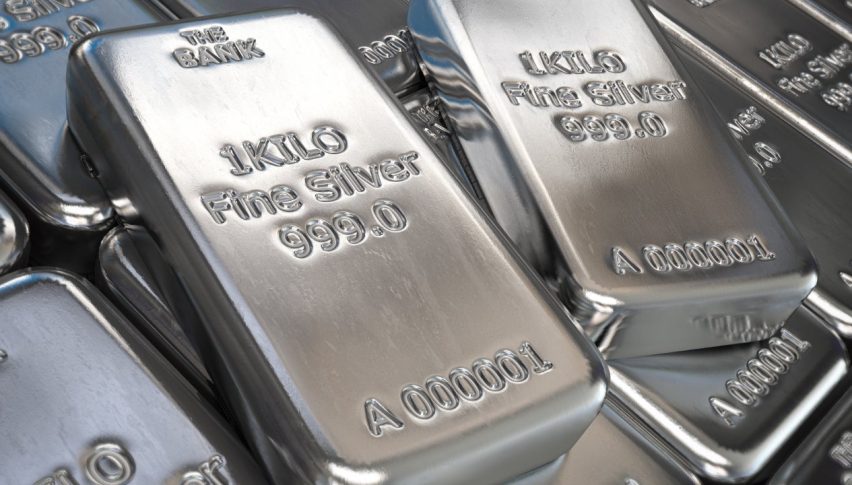
- The Silver Institute forecasts a sixth consecutive year of global silver market deficit, with a projected increase of 15% to 46.3 million troy ounces in 2026.
- Despite an 18% rise in demand for silver bars and coins, overall consumption is expected to decline by 2% due to reduced industrial use and other applications.
- A slight decrease in mining output and reduced producer hedging are contributing to the anticipated 2% drop in total silver supply, although recycling is expected to rise by 7%.
- The institute remains optimistic about silver's prospects for 2026, citing potential safe-haven demand amid economic uncertainties and temporary inflation-driven monetary tightening.
The Silver Institute predicts that despite strong demand for coins and bars and dwindling supply, the global silver market will be in deficit for a sixth year in a row. According to the industry group’s annual outlook, which was released on Wednesday, the 2026 deficit is expected to increase by 15% to 46.3 million troy ounces.
The report states that although the estimated demand for silver bars and coins has increased by 18%, overall consumption is likely to decline by 2% because of decreases in industrial applications, photography, jewelry, and silverware.
According to the institute, a minor decline in mining output and a decrease in producer hedging activity are the main causes of the projected 2% decrease in total supply this year. Recycling will increase by 7%, lessening those losses.
The industry group stated in the report that “we remain constructive towards silver for the rest of 2026,” despite the Iran war having clouded the short-term price outlook. The institute anticipates that the Middle East conflict will be contained and that monetary tightening to curb inflation driven by energy will only be temporary.
Even if the Iran war continues, investors’ worries about slower economic growth and the strain on the government’s finances will cause inflation-adjusted bond yields to decline, increasing the value of interest-free precious metals like gold and silver. The group wrote, “This should rekindle interest in both gold and silver, coupled with a resurgence of safe-haven demand as pro-cyclical markets contend with liquidations.”
- Check out our free forex signals
- Follow the top economic events on FX Leaders economic calendar
- Trade better, discover more Forex Trading Strategies
- Open a FREE Trading Account
- Read our latest reviews on: Avatrade, Exness, HFM and XM

Related Articles
Sidebar rates

Related Posts
 Save
Save