Nigeria’s Economic Shift: IMF Caution as World Bank Sees Momentum
Nigeria's economic landscape is at a crossroads, with the World Bank highlighting positive momentum while the IMF issues a cautionary note about rising risks. For traders, understanding these dynamics is...
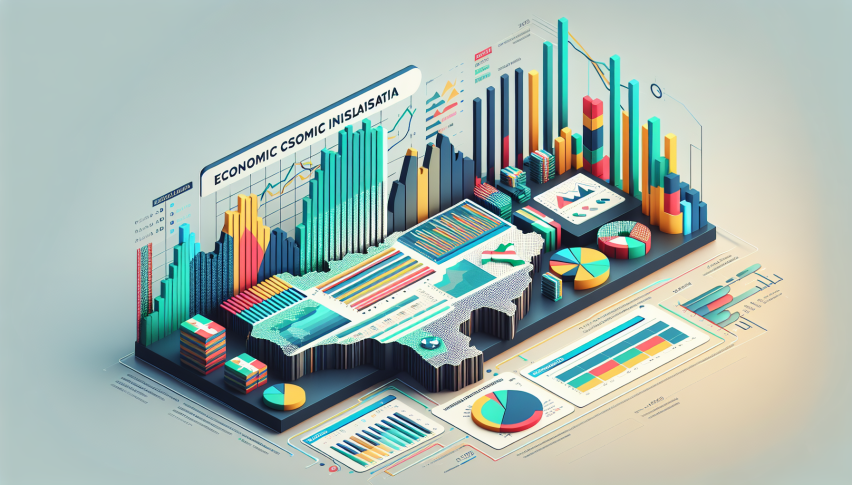
Quick overview
- The World Bank reports positive economic momentum in Nigeria, indicating potential opportunities for traders.
- The IMF has downgraded Nigeria's GDP outlook, highlighting rising economic risks such as inflation and external vulnerabilities.
- The Central Bank of Nigeria's monetary policy decisions will be crucial in stabilizing the naira amidst market volatility.
- Traders should monitor key sectors and consider hedging strategies to navigate the complexities of Nigeria's economic landscape.
Live USD/NGN Chart
Nigeria’s economic landscape is at a crossroads, with the World Bank highlighting positive momentum while the IMF issues a cautionary note about rising risks. For traders, understanding these dynamics is crucial to navigating the market successfully.
What Happened
Recently, the World Bank reported signs of positive economic momentum in Nigeria, suggesting a window of opportunity to capitalize on gains. The report emphasizes a need for strategic reforms to sustain growth. In contrast, the International Monetary Fund (IMF) downgraded Nigeria’s GDP outlook, citing increasing economic risks, including inflationary pressures and external vulnerabilities. This divergence in perspectives highlights the complexity of Nigeria’s economic situation.
Nigeria Market Angle
Nigeria’s Central Bank (CBN) plays a pivotal role in shaping the economic narrative. Amidst these contrasting reports, the CBN’s monetary policy decisions will be crucial in stabilizing the naira, which has faced significant volatility. Additionally, the Nigerian Exchange (NGX) could see fluctuating investor confidence depending on how these economic signals are interpreted. The balance between leveraging current momentum and addressing systemic risks will be key in determining Nigeria’s financial trajectory.
Contrary Angle
Despite the World Bank’s optimistic outlook, skeptics argue that Nigeria’s reliance on oil exports makes it vulnerable to global market fluctuations. The IMF’s warning underscores this risk, suggesting that without diversification and structural reforms, Nigeria may struggle to achieve sustained economic growth. Furthermore, domestic challenges such as governance issues and infrastructural deficits continue to pose significant hurdles.
Why Traders Should Care
For traders, Nigeria’s current economic scenario presents both opportunities and risks. The naira’s performance against the US dollar (USD/NGN) could be influenced by the CBN’s policy measures and external economic conditions. Traders might consider hedging strategies to mitigate potential currency volatility. Additionally, monitoring developments in key sectors like oil and agriculture can provide insights into market movements on the NGX.
Conclusion
Nigeria stands at an economic turning point, with potential for growth tempered by significant risks. Traders and investors must stay informed of policy changes and economic indicators to navigate the market effectively. As the country maneuvers through this critical phase, the interplay between global forces and domestic policies will shape its economic future.
- Check out our free forex signals
- Follow the top economic events on FX Leaders economic calendar
- Trade better, discover more Forex Trading Strategies
- Open a FREE Trading Account
- Read our latest reviews on: Avatrade, Exness, HFM and XM

Related Articles


Sidebar rates

Related Posts
 Save
Save