Why Natural Gas Is Not Rising as Quickly As Gasoline
Natural gas futures are way down today after a federal report showed that inventory levels are very high.

Quick overview
- U.S. natural gas futures dropped significantly due to higher than normal inventory injections, with LNG rates falling to their lowest since October 2024.
- Gasoline prices at the pump have slightly increased, influenced by rising global oil prices amid geopolitical tensions in the Middle East.
- The U.S. has high natural gas production and inventory levels, which are keeping prices low despite expectations of a colder weather pattern ahead.
- Domestic LNG prices are primarily affected by weather and inventory, leading to potential price fluctuations that differ from gasoline.
A massive drop for U.S. natural gas futures on Thursday was caused by higher than normal inventory injections, and yet gasoline at the pump has slightly increased from the previous day.
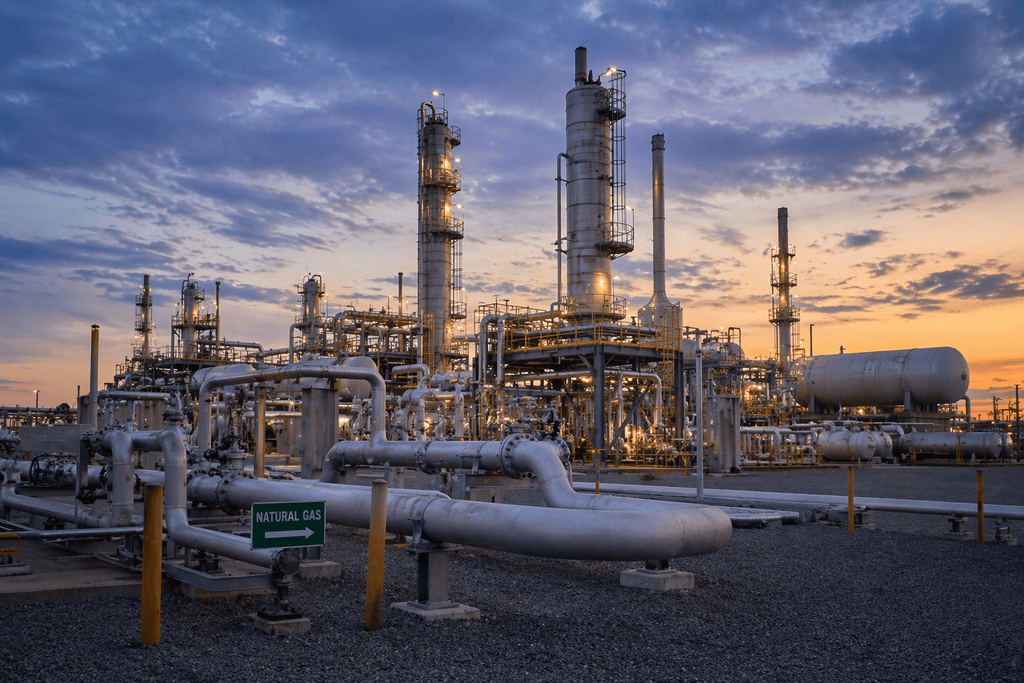
LNG rates in the United States dropped by 5.18% Thursday to hit $2.58 per MMBtu as oversupply reports came in. That is the lowest the price has been since October of 2024. Federal reported levels showed plenty of gas in storage and in injection of 103 billion cubic feet for the week of April 17th.
That is far more than anyone was expecting and well above the five-year average of 64 bcf. The same week last year, there was a 77 bcf injection, so production levels are way up. High production and high inventory are pushing prices down since inventories are still high from last year’s unseasonably warm middle months. The mostly mild winter throughout the United States for 2025-2026 has not helped the oversupply problem either, keeping prices subdued while global rates are much higher.
Gasoline and Natural Gas Factors Compared
The United States produces most of its own natural gas, having to import very little. All of those imports come from Western Hemisphere nations, specifically from South America and the Caribbean. That explains why the energy crisis in the Middle East is not affecting LNG rates much domestically.
As Iran and the United States fight it out over the Strait of Hormuz, oil prices globally are on the rise, with Brent crude oil jumping 3.79% over the last 24 hours. West Texas Intermediate oil, which serves as a benchmark price for global oil prices, is up by nearly 4% today.
Those rising global oil prices are why gasoline at the pump is so high for Americans. About 13% of the U.S. oil that is turned into gasoline comes from Persian Gulf countries, and when the supply is hindered by fighting over the Strait of Hormuz or by oil tankers being attacked, then prices rise at the pump. The oil brought into the US is put through a process called fractional distillation that turns it into gasoline suitable for combustion engines.
Over the last month, premium grade gasoline has climbed from $4.82 to $4.90 per gallon. That is the average price across the United States, and it may decrease if the U.S. and Iran can keep their current ceasefire.
Domestic LNG prices are more influenced by the weather and inventory levels than anything else. Because of the strong influence of these factors, LNG rates can move in a dramatically different way than gasoline. If the weather cools as it is supposed to in the coming weeks, the price of natural gas could rise, but high inventory levels will likely keep any price increases subdued.
- Check out our free forex signals
- Follow the top economic events on FX Leaders economic calendar
- Trade better, discover more Forex Trading Strategies
- Open a FREE Trading Account
- Read our latest reviews on: Avatrade, Exness, HFM and XM

Related Articles


Sidebar rates

Related Posts
 Save
Save