Fed Holds Rates Steady as Kevin Warsh Prepares to Take Charge
On inflation, the statement acknowledged that price pressures remain elevated, partly reflecting the recent surge in global energy prices.
Quick overview
- The U.S. central bank maintained its benchmark interest rate at 3.50%–3.75%, amid rising oil prices due to the war in Iran.
- The Federal Open Market Committee's decision was not unanimous, with some members advocating for a rate cut.
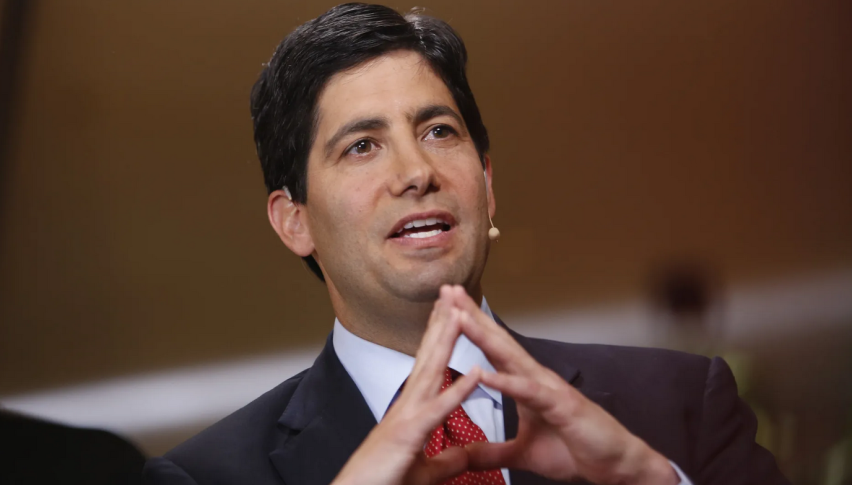
- Jerome Powell's upcoming press conference may be his last before Kevin Warsh potentially takes over as Fed Chair.
- Analysts indicate that the surge in oil prices has shifted market expectations towards potential rate hikes in 2027.
The U.S. central bank left its benchmark interest rate unchanged at 3.50%–3.75%. The 50% surge in oil prices since the start of the war in Iran has complicated the outlook and pushed back the rate cuts markets had expected for this year.
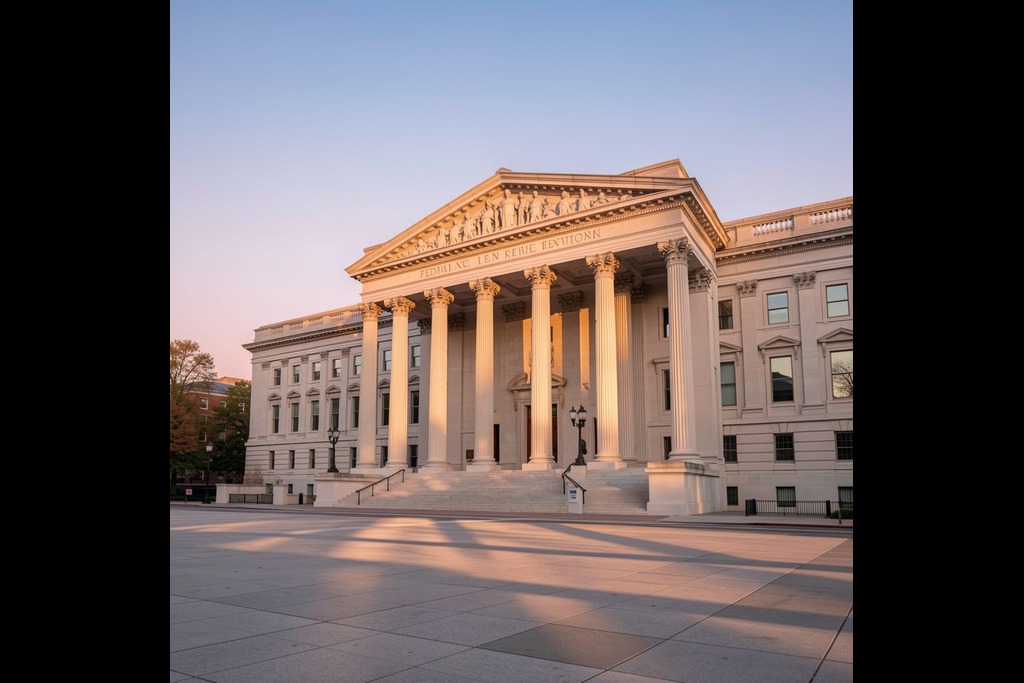
The Federal Reserve concluded its monetary policy meeting on Wednesday with a largely expected outcome: no change in interest rates, which remain within the 3.50%–3.75% range.
Attention now shifts to the press conference from Jerome Powell, potentially his final appearance before being replaced by Kevin Warsh.
While uncertainty had lingered in recent months over whether Warsh would secure enough congressional support to assume the role on May 15, the path to confirmation effectively cleared late last week.
A Divided Fed
The decision was not unanimous among members of the Federal Open Market Committee.
Stephen Miran voted in favor of a 25-basis-point rate cut, while Beth Hammack, Neel Kashkari, and Lorie Logan supported keeping rates unchanged but opposed introducing a dovish bias into future policy guidance—a notable shift from the Fed’s March meeting.
In its statement, the Fed placed greater emphasis on the economic impact of tensions in the Middle East, warning that developments in the region are contributing to elevated uncertainty in the economic outlook.
Regarding growth, policymakers said recent indicators suggest economic activity continues to expand at a solid pace. Labor market conditions also remain relatively stable, with job creation slowing on average while the unemployment rate has remained broadly unchanged in recent months.
On inflation, the statement acknowledged that price pressures remain elevated, partly reflecting the recent surge in global energy prices.
Oil Prices Reshape Market Expectations
According to analysts at Balanz, the latest spike in oil prices has significantly altered market expectations for monetary policy.
“Following the recent increases in oil prices, markets have largely erased expectations for rate cuts in 2026 and are now beginning to price in modest rate hikes for 2027,” the firm noted.
U.S. Treasury yields had already been moving higher ahead of the Fed meeting amid the rally in oil prices. After the policy statement was released, yields edged further upward, with the 2-year Treasury trading near 3.93% and the 10-year yield around 4.4%.
Inflation Concerns Persist
Updated projections for the PCE price index—the Fed’s preferred inflation gauge—now point to annual inflation of 3.7% in the second quarter, 3.4% in the third quarter, and 3.2% in the fourth quarter. Those figures are roughly 30 basis points higher than forecasts published at the end of March.
Last week, Fed Governor Christopher Waller warned that elevated inflation could become more deeply entrenched in the economy, adding to concerns that policymakers may need to keep rates higher for longer.
- Check out our free forex signals
- Follow the top economic events on FX Leaders economic calendar
- Trade better, discover more Forex Trading Strategies
- Open a FREE Trading Account
- Read our latest reviews on: Avatrade, Exness, HFM and XM

Related Articles
Sidebar rates

Related Posts
 Save
Save