Five Signals from Kevin Warsh—and What They Could Mean for Rates
Pressed by Senator Elizabeth Warren to acknowledge the outcome of the 2020 election, Warsh avoided a direct answer.
Quick overview
- Kevin Warsh, Trump's nominee for the Federal Reserve, did not commit to immediate rate cuts, emphasizing the importance of institutional independence.
- He proposed internal reforms at the Fed, including reassessing the frequency of monetary policy meetings and the practice of holding press conferences.
- Warsh suggested improving inflation measurement methods and highlighted the uncertain impact of artificial intelligence on employment and productivity.
- His testimony indicated a more data-dependent approach to future monetary policy, with rate cuts being possible but not assured.
Kevin Warsh, nominee of Donald Trump to lead the Federal Reserve, avoided committing to an immediate rate cut, pledged internal reforms, and suggested revisiting how inflation is measured—as well as assessing the impact of artificial intelligence on employment.
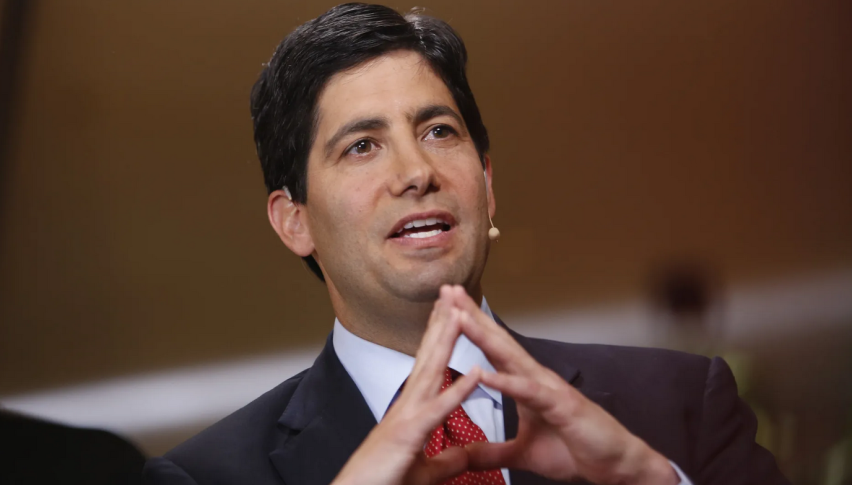
Warsh appeared before the Senate Banking Committee in a hearing marked by political tension and key economic signals. Over more than two hours, he stopped short of endorsing Trump’s push for urgent rate cuts, but outlined how he might steer the world’s most influential central bank if confirmed.
1. No promises on rate cuts
One of the main focal points was the relationship between the Fed and the White House. Trump has repeatedly called for lower interest rates, arguing that borrowing costs remain too high. Warsh stressed that the president never asked him to pre-commit to monetary decisions.
“The president has never asked me to predetermine or fix any interest rate—and I would not agree to do so,” he said, signaling institutional independence—one of the most sensitive issues for financial markets.
2. Political pressure stays in the background
Pressed by Senator Elizabeth Warren to acknowledge the outcome of the 2020 election, Warsh avoided a direct answer, noting instead that Congress had certified the result. He reiterated that politics should remain separate from monetary policy, and vice versa.
3. Internal reforms at the Fed
Warsh hinted at a reform agenda within the Federal Reserve. Among potential changes, he raised the possibility of revisiting the number of monetary policy meetings, currently set at eight per year. While the law requires at least four, he suggested that number alone would be insufficient.
He also questioned whether to continue holding press conferences after every meeting—a practice introduced under current Fed Chair Jerome Powell in 2018. “Seeking truth is more important than repetition,” he said, referring to the frequency of official communication.
4. Rethinking inflation metrics
Warsh emphasized improving how core inflation is measured. He proposed a “data project” involving both public and private sectors to better capture underlying price trends, potentially using methodologies such as trimmed-mean indicators that exclude extreme price swings.
5. AI, productivity, and uncertainty
Another key theme was the economic impact of artificial intelligence. While some in Trump’s circle argue that AI-driven productivity gains could help lower inflation and support rate cuts, Warsh struck a more cautious tone.
“I’m more confident about improvements in output than about when those effects will reach the labor market,” he said—suggesting that employment trends will remain central in future rate decisions.
What this means for rates
Markets closely followed the hearing, as Warsh’s potential appointment could shift the Fed’s policy stance. The key takeaway for investors: he did not promise immediate rate cuts, but signaled openness to a different Fed—one that could rethink communication, internal operations, and inflation analysis.
In practice, this points to a more data-dependent approach. Rate cuts are possible, but not guaranteed—and likely contingent on clearer evidence of sustained disinflation and labor market trends.
- Check out our free forex signals
- Follow the top economic events on FX Leaders economic calendar
- Trade better, discover more Forex Trading Strategies
- Open a FREE Trading Account
- Read our latest reviews on: Avatrade, Exness, HFM and XM

Related Articles
Sidebar rates

Related Posts
 Save
Save