Nigeria’s GDP Faces Downturn Amid Inflation and Trade Challenges
Nigeria's GDP outlook dims as inflation and trade hurdles intensify, affecting the naira and local markets.
Quick overview
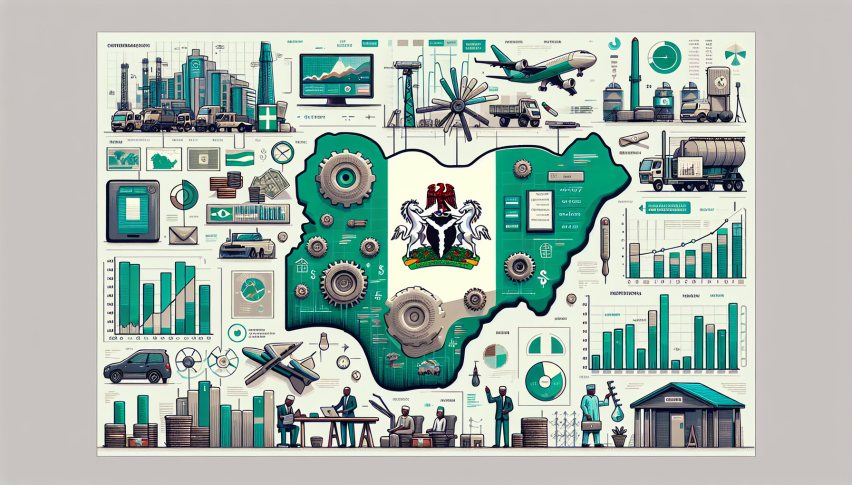
- Nigeria's GDP forecast has been downgraded due to rising inflation and trade imbalances, raising concerns for economic growth.
- The Central Bank of Nigeria is under pressure to stabilize the naira amidst currency depreciation and market volatility.
- Despite challenges, the World Bank highlights potential for recovery through strategic policy implementation.
- Traders should monitor economic indicators closely, as they will influence market trends and investment strategies.
Live USD/NGN Chart


Nigeria’s economic landscape is at a critical juncture as inflationary pressures and trade deficits threaten to dim its GDP outlook, posing significant challenges to both policymakers and traders.
Behind the Headline
According to recent reports from FXLeaders and The Guardian Nigeria News, Nigeria’s GDP forecast has been downgraded amidst rising inflation and trade imbalances. The International Monetary Fund (IMF) has sounded alarms over escalating risks, suggesting that the country’s economic growth may struggle to gain traction in the coming quarters. The trade sector, a vital pillar of Nigeria’s economy, has been particularly hard-hit as inflation continues to erode consumer spending power, as highlighted by Business News Nigeria.
Nigeria Market Angle
In response to these economic headwinds, the Central Bank of Nigeria (CBN) is under pressure to stabilize the naira, which has faced depreciation against major currencies. The Nigerian Exchange Group (NGX) is also witnessing volatility as investor confidence wavers. Analysts are closely monitoring the CBN’s monetary policy stance, particularly any adjustments to interest rates, which could influence capital flows and affect the naira’s stability.
Contrary Angle
Despite the prevailing economic challenges, the World Bank Group presents a more optimistic perspective, noting underlying positive economic momentum in Nigeria. The institution advocates that with strategic policy implementation, Nigeria can harness its growth potential and transform current challenges into long-term gains. This view suggests that while short-term obstacles persist, Nigeria’s economy has robust fundamentals that could facilitate recovery.
Why Traders Should Care
Traders should pay close attention to Nigeria’s economic indicators, particularly inflation rates and trade balances, which are crucial for predicting market trends. Currency traders dealing in USD/NGN pairs might see increased volatility as monetary policy decisions unfold. Equities traders on the NGX should prepare for potential fluctuations driven by economic data releases and policy announcements.
Conclusion
In conclusion, while Nigeria faces significant economic challenges due to inflation and trade issues, there are also opportunities for recovery and growth. Traders and investors should remain vigilant, leveraging both market data and policy signals to navigate the complexities of Nigeria’s economic landscape.
- Check out our free forex signals
- Follow the top economic events on FX Leaders economic calendar
- Trade better, discover more Forex Trading Strategies
- Open a FREE Trading Account
- Read our latest reviews on: Avatrade, Exness, HFM and XM

Related Articles
Sidebar rates

Related Posts
 Save
Save