U.S. Inflation Jumps to 3.8% Amid Fuel Price Shock
Another key reading was core inflation, which excludes food and energy. It rose 2.8% year-over-year, above both the 2.7% forecast.
Quick overview
- U.S. inflation rose 3.8% year-over-year in April, exceeding market expectations and marking the largest increase since May 2023.
- The surge in inflation was primarily driven by rising fuel prices due to disruptions in global energy supply chains from the Middle East conflict.
- Core inflation also increased to 2.8% year-over-year, surpassing forecasts and indicating stronger-than-expected inflationary pressures.
- Investor concerns have grown, leading to a reevaluation of potential Federal Reserve rate cuts, with some traders now considering the possibility of a rate hike later this year.
The April reading came in above market expectations, which had already anticipated a sharp acceleration compared to March. Core inflation, which excludes energy and food, also picked up.

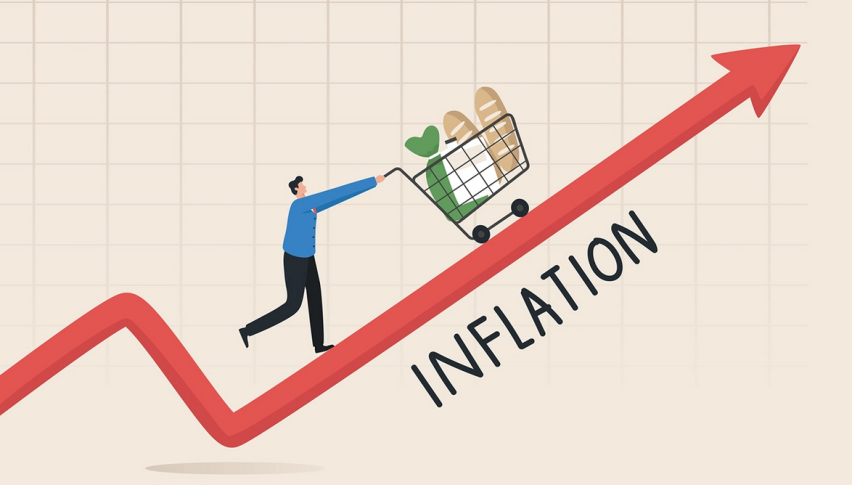
U.S. inflation accelerated more than expected in April, rising 3.8% year-over-year and marking its largest jump since May 2023. The increase was driven largely by a surge in fuel prices, as the war in the Middle East disrupted global energy supply chains.
Markets were caught off guard by the Consumer Price Index (CPI) report, as analysts had forecast a 3.7% annual increase. On a monthly basis, however, the headline figure matched expectations at +0.6%.
Energy prices drive the inflation shock
Energy prices once again played a central role. While gasoline and fuel oil prices rose around 5% month-over-month in April — compared with a 21% spike in March — the year-over-year picture remains extreme, with gasoline up 28.4% and fuel oil surging 54.3%.
Another key reading was core inflation, which excludes food and energy. It rose 2.8% year-over-year, above both the 2.7% forecast and March’s 2.6%. On a monthly basis, core inflation also surprised to the upside, increasing 0.4%, double the pace of March.
The data from the U.S. Bureau of Labor Statistics heightened concerns among investors. In recent days, markets had already begun pricing out the possibility of a Federal Reserve rate cut this year, despite the upcoming transition to new Fed leadership under Kevin Warsh, selected by Donald Trump to replace Jerome Powell.
In fact, traders are now even assigning a small probability to a rate hike toward the end of the year, reflecting growing concern that inflation may remain stickier than previously expected.
- Check out our free forex signals
- Follow the top economic events on FX Leaders economic calendar
- Trade better, discover more Forex Trading Strategies
- Open a FREE Trading Account
- Read our latest reviews on: Avatrade, Exness, HFM and XM

Related Articles
Sidebar rates

