Crypto Bill Stalls After Big House Win as Senate Pressure Builds
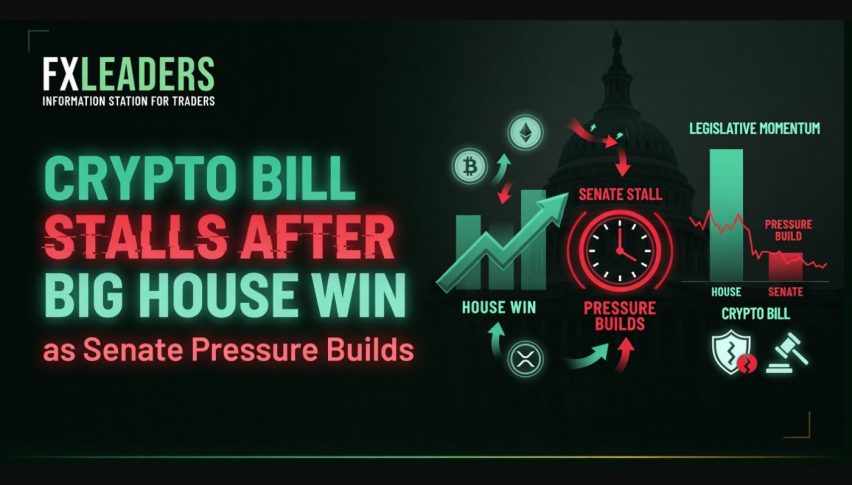
U.S. lawmakers are under increasing pressure to move forward with crypto regulation, as the CLARITY Act is still stuck in the Senate...
Quick overview
- U.S. lawmakers face pressure to advance the stalled CLARITY Act, which aims to establish clear cryptocurrency regulations.
- The Digital Chamber warns that delays could harm U.S. leadership in digital asset markets and affect over 70 million crypto users.
- Key issues under debate include oversight division between regulatory agencies and rules for stablecoin products.
- With global competition intensifying, the urgency for the U.S. to implement clear crypto regulations is growing.
U.S. lawmakers are under increasing pressure to move forward with crypto regulation, as the CLARITY Act is still stuck in the Senate even after earlier bipartisan support. The Digital Chamber, an industry group, is calling for quick action and warns that further delays could hurt U.S. leadership in digital asset markets and slow down clear rules for over 70 million American crypto users.
Senate Urged to Move CLARITY Act into Markup Stage
The main focus is the Digital Asset Market Clarity Act, a bill meant to set clear rules for how cryptocurrencies are regulated in the U.S. The House of Representatives passed it in July 2025 with a strong 294 to 134 vote, but it has since stalled in the Senate Banking Committee.
On April 20, The Digital Chamber sent a formal letter to Senate leaders like Tim Scott and Elizabeth Warren, asking them to move the bill into markup. This step would let lawmakers publicly debate, change, and improve the legislation. The letter also went to other important figures in crypto oversight, such as Cynthia Lummis and Ruben Gallego, showing a joint push to speed things up.
Why the CLARITY Act Matters for Crypto Markets
The main goal of the CLARITY Act is to create clear rules for digital assets and end the ongoing confusion about who oversees them and how companies should comply. Without these rules, many in the industry say there has been ‘regulation by enforcement.’
🚨 SEN. THOM TILLIS PUSHES SENATE BANKING TO DELAY CRYPTO BILL UNTIL MAY.
FRICTION CONTINUES BETWEEN BANKS AND CRYPTO FIRMS OVER STABLECOIN REWARDS.
"DEPOSIT FLIGHT" CONCERNS REMAIN THE MAIN OBSTACLE FOR THE CLARITY ACT.
MAY IS THE NEW DEADLINE TO SETTLE THE RULES OR THE BILL… pic.twitter.com/mg13KTyJfZ
— Crypto News Hunters 🎯 (@CryptoNewsHntrs) April 21, 2026
Supporters believe the bill could help the industry grow by giving companies and investors clearer rules. Critics, though, worry that some parts of the bill might reduce investor protections, especially when it comes to stablecoin yields and developer responsibility.
Key issues under debate include:
- Division of oversight between agencies such as the U.S. Securities and Exchange Commission and the Commodity Futures Trading Commission
- Rules governing stablecoin interest and lending products
- Legal responsibility for developers building decentralized protocols
Market Implications as Bitcoin Holds Near $75,000
Clearer rules are still a big driver for crypto prices, especially for Bitcoin, which is trading close to $75,000 after a rocky start to 2026. Institutional investments and overall market mood have helped steady prices, but ongoing uncertainty about U.S. policy is holding back further gains.
In the past, clearer rules have led to more involvement from big investors. The recent rise in crypto use and more money going into Bitcoin exchange-traded funds show that investors are getting ready for a more stable regulatory environment.
But if lawmakers keep delaying, there could be risks for the market. Many are watching to see if the U.S. can keep up with other countries that are moving ahead with their own crypto rules.
Urgency Grows as Global Competition Intensifies
The Digital Chamber pointed out that it has been over 270 days since the House passed the bill, stressing that the need for action is growing as Congress moves past the halfway point of its session. The group says this is not just about regulation, but also about staying competitive.
Markets around the world are changing fast, with countries in Europe and Asia putting clearer crypto rules in place. If the U.S. does not act soon, it could lose its lead in financial innovation and blockchain technology.
- Check out our free forex signals
- Follow the top economic events on FX Leaders economic calendar
- Trade better, discover more Forex Trading Strategies
- Open a FREE Trading Account
- Read our latest reviews on: Avatrade, Exness, HFM and XM

Related Articles


Sidebar rates

Related Posts
 Save
Save