Two-Week High for U.S. Natural Gas as Trump Posts Hurt Chance of Peace
Natural gas rates in the United States are up but still trading in a limited range as Iran tensions escalate.

Quick overview
- Iran rejected peace talks this week following aggressive comments from U.S. President Donald Trump.
- U.S. natural gas futures rose to a two-week high amid escalating tensions in the Middle East.
- Despite the conflict, U.S. natural gas inventories remain about 7% higher than the five-year average, limiting price increases.
- Warm weather forecasts are expected to decrease domestic demand for LNG as summer approaches.
Iran turned down peace talks this week after angry social media posts from U.S. President Donald Trump, and U.S. natural gas futures have hit their highest point in weeks.
LNG rates rose to $2.70 on Tuesday, rising by 0.6% after news broke that Iran decided not to move forward with peace talks this week. The Iranian government accused the United States of holding an aggressive stance and requiring unreasonable demands before peace is reached. President Trump told CNBC this week that bombing would resume only hours after talking up the high chance of peace.
The fragile ceasefire already in place (and set to expire Wednesday) is at risk as tensions escalate. Natural gas prices in the United States have been only mildly affected by the conflict in the Middle East, but this latest change has pushed the price of U.S. LNG futures to a two-week high.
Gas Futures Pulled between Iran Conflict Fears and Excess Inventories
LNG rates in the United States are not moving as quickly as crude oil prices globally, but they are being affected by the fighting in Iran. As tensions heighten over the Middle East situation, gas suppliers have to consider that they may need to increase shipments outside the United States. The export market could see a quick uptick in sales if the fighting creates an energy crisis.
The price of natural gas in the U.S. would be higher if inventories were not already in excess of normal levels. The last EIA report showed higher than normal inventory injections. In fact, the current inventories are about 7% higher than the five-year average. Even if demand increases, there is little risk that inventory will dip low anytime soon.
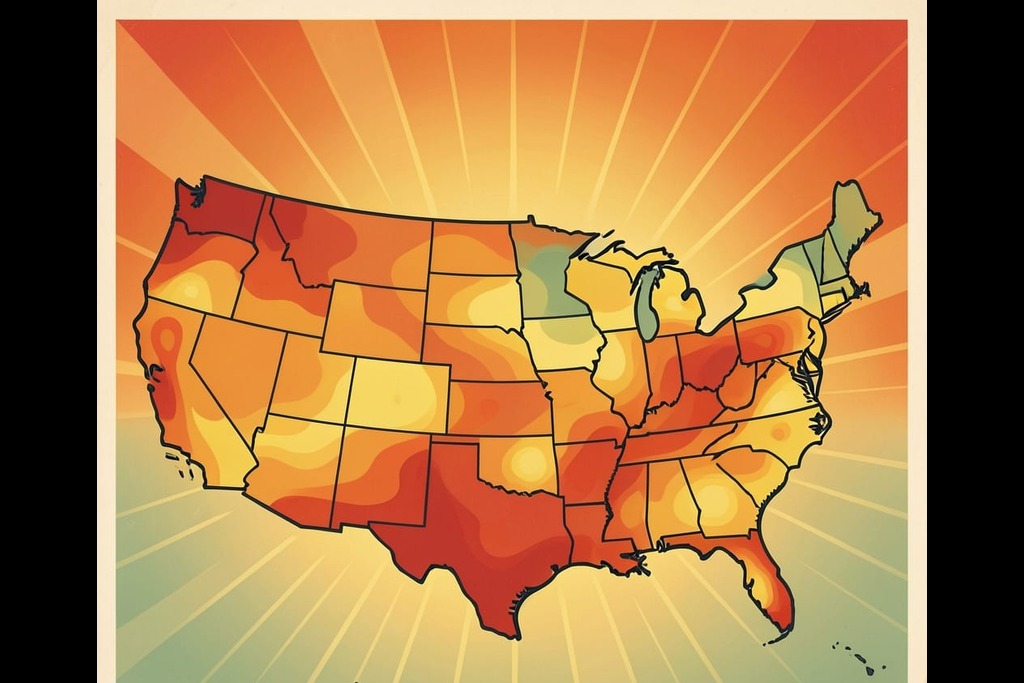
Investors should be aware that weather stations have issued warm weather forecasts for the coming weeks. As we move closer to summertime, demand will drop and warm weather will keep inventories well stocked. Now that the year is well into spring, there is far less chance of a sudden cold snap to bring prices back up and increase demand.
Natural gas production may be tapering off now, but export facilities are reporting flows that are close to the all-time high. All that gas is moving to these facilities with no place to go. Even with the Strait of Hormuz under blockade, the United States’ export clients are well supplied, and the price of natural gas domestically should remain stable and trading within a tight range.
- Check out our free forex signals
- Follow the top economic events on FX Leaders economic calendar
- Trade better, discover more Forex Trading Strategies
- Open a FREE Trading Account
- Read our latest reviews on: Avatrade, Exness, HFM and XM

Related Articles


Sidebar rates

Related Posts
 Save
Save