Yen Drifts Lower as Traders Wait on Iran Ceasefire News
Not much happened in currency markets on Tuesday, but that stillness was the story in itself. With the ceasefire between the US and Iran...
Quick overview
- Currency markets experienced a quiet day as traders opted to remain cautious amid ongoing US-Iran tensions.
- Trump's optimistic comments about potential progress in talks helped maintain market sentiment without significant movement.
- The euro and sterling both slipped slightly, while the dollar index remained stable, indicating a wait-and-see approach among traders.
- The New Zealand dollar saw a modest gain due to inflation data, while the Bank of Japan appears unlikely to make immediate rate changes.
Not much happened in currency markets on Tuesday, but that stillness was the story in itself. With the ceasefire between the US and Iran winding down and Tehran yet to show its hand on next steps, most traders decided sitting tight was the smarter play than getting caught on the wrong side of a headline.
Trump’s comments that talks are progressing and could produce a better deal than past agreements kept sentiment from souring. Markets are not fully convinced, but they are not pricing in a breakdown either.
The euro came in at $1.1782 and sterling at $1.3522, each slipping about 0.1% through the session. The dollar index barely budged at 98.087, a day after giving back 0.2%. Carol Kong of Commonwealth Bank of Australia was straightforward about where attention is focused right now: whatever happens with the Iran talks in the next day or so is what moves this market. She was also careful to note that the dollar is not a one-way trade here. There are real scenarios where it goes either direction depending on how diplomacy unfolds.
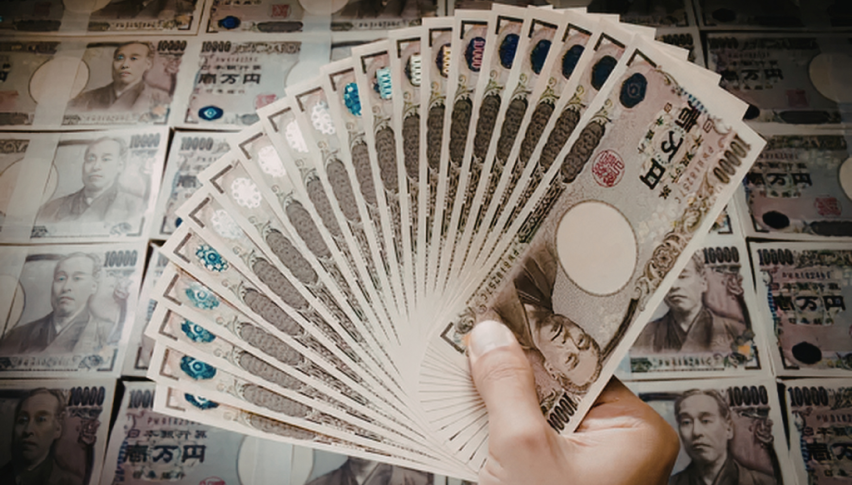
The yen was drifting at 158.955 per dollar, close enough to 160 that traders are starting to pay attention. That level has historically been where Tokyo starts feeling pressure to act. On top of that, sources close to the Bank of Japan say a rate move next week looks unlikely. With the conflict still unresolved and the economic picture murky, the BOJ appears to be in no rush.
The New Zealand dollar was a quiet outlier. First-quarter inflation came in at 3.1% annually, still sitting above where the central bank wants it, and the kiwi picked up 0.3% on the back of it. Another rate hike is back in the conversation.
Kevin Warsh, the man Trump wants running the Federal Reserve, faced senators on Tuesday for his confirmation hearing. Markets were paying attention, though not as closely as they were watching the Iran situation. March retail sales data, expected to show a 1.4% rise, was also due later in the day and could nudge the dollar before the session wraps up.
- Check out our free forex signals
- Follow the top economic events on FX Leaders economic calendar
- Trade better, discover more Forex Trading Strategies
- Open a FREE Trading Account
- Read our latest reviews on: Avatrade, Exness, HFM and XM

Related Articles

Sidebar rates

Related Posts
 Save
Save