South Africa’s GDP Growth Masks Underlying Economic Strain
South Africa's economy is showing signs of growth, but beneath the surface lies a complex web of challenges impacting the working class and investors alike.What HappenedRecent data from Stats SA...
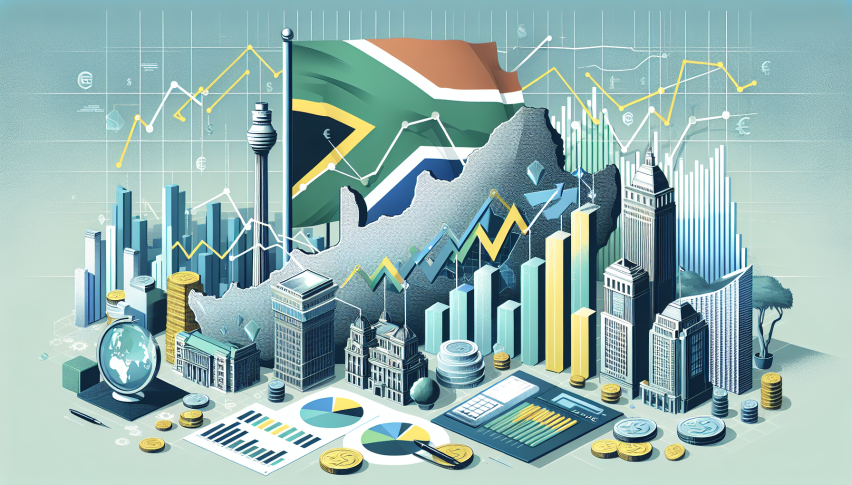
Quick overview
- South Africa's economy experienced its fastest growth in three years during Q4 2025, driven by increased exports and consumer spending.
- Despite positive GDP figures, the South African Federation of Trade Unions highlights ongoing struggles for the working class, including high unemployment and stagnant wages.
- The South African Reserve Bank is expected to balance economic growth with inflationary pressures in its future monetary policy decisions.
- Traders should remain cautious and monitor both domestic and international developments, as the current growth may not be sustainable.
Live USD/ZAR Chart

South Africa’s economy is showing signs of growth, but beneath the surface lies a complex web of challenges impacting the working class and investors alike.
What Happened
Recent data from Stats SA reveals that South Africa’s economy posted its fastest growth in three years during the fourth quarter of 2025. According to Moneyweb, this growth is attributed to a surge in exports and increased consumer spending. However, the South African Federation of Trade Unions (SAFTU) argues that the GDP figures fail to reflect the struggles of the working class, who continue to face high unemployment and stagnant wages.
South Africa Market Angle
The South African Reserve Bank (SARB) is likely to weigh this economic growth against inflationary pressures as it considers future monetary policy. The rand has shown resilience against major currencies, bolstered by strong export performance. However, traders on the Johannesburg Stock Exchange (JSE) remain cautious, as domestic consumption and investment remain unpredictable.
Contrary Angle
While the International Monetary Fund (IMF) has found the South African economy to be resilient, it warns of potential downside risks. These include global economic uncertainty and domestic policy challenges that could undermine growth. This cautionary stance suggests that the current growth trajectory may not be sustainable, and the market optimism might be premature.
Why Traders Should Care
Traders should monitor the SARB’s upcoming monetary policy decisions, as any hint at rate adjustments could significantly affect the rand’s performance. Additionally, the JSE’s response to domestic and international developments will provide insights into market sentiment. Keeping an eye on export trends and consumer demand will be crucial for forex and CFD trading strategies.
Conclusion
Despite the promising GDP growth figures, South Africa’s economic landscape remains fraught with challenges. Traders must navigate these complexities by staying informed about policy changes and market reactions, ensuring their strategies align with the evolving economic environment.
- Check out our free forex signals
- Follow the top economic events on FX Leaders economic calendar
- Trade better, discover more Forex Trading Strategies
- Open a FREE Trading Account
- Read our latest reviews on: Avatrade, Exness, HFM and XM

Related Articles

Sidebar rates

Related Posts
 Save
Save