China To “Shield” Its Tech Companies From U.S. Investment
China is advancing one of its most forceful moves yet in the trade and tech standoff with Washington.

Quick overview
- Beijing has ordered companies like ByteDance and Moonshot AI to reject U.S. investments without government approval, escalating tensions with Washington.
- The directive from China's National Development and Reform Commission aims to protect national security technologies from foreign influence.
- This move follows increased scrutiny of foreign investments in Chinese tech, particularly after Meta's acquisition of a Chinese AI startup.
- The restrictions reflect a broader trend of both nations tightening controls on investments in sensitive technology sectors.
Beijing has ordered companies such as ByteDance, Moonshot AI, and StepFun to reject U.S. investment without official approval, in a move that escalates bilateral tensions and aims to safeguard technologies tied to national security.
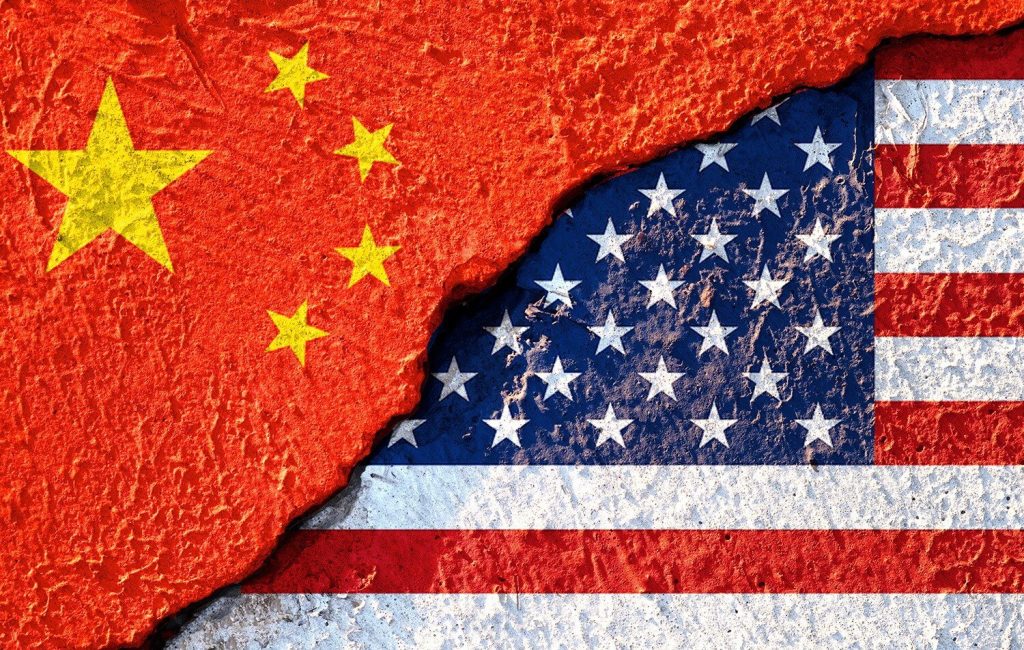
China is advancing one of its most forceful moves yet in the trade and tech standoff with Washington: the government will instruct leading firms—including top artificial intelligence (AI) startups—to turn down American capital unless it has prior state authorization.
The National Development and Reform Commission (NDRC) and other regulators have already issued directives to several private tech companies to decline U.S.-sourced funding in investment rounds unless explicitly approved by authorities, according to Bloomberg News, citing people familiar with the matter.
Among the firms said to have received these orders are Moonshot AI and StepFun, two of the country’s most promising AI startups. The restriction also extends to ByteDance, the parent of TikTok, with regulators reportedly blocking secondary share sales to U.S. investors without official clearance.
The move follows scrutiny sparked by Meta’s acquisition of Manus, a Chinese AI startup, in a deal valued at over $2 billion in 2025. The transaction triggered investigations into foreign investment in Chinese firms and technology exports, amid concerns it could enable the transfer of cutting-edge capabilities abroad.
National security and a critical link to Silicon Valley
China’s escalation mirrors steps taken by Washington months earlier, when U.S. authorities restricted outbound investment into Chinese companies operating in AI, semiconductors, and quantum computing on national security grounds.
The stated objective of the government led by Xi Jinping is similar: to prevent U.S. capital from gaining exposure to sensitive technologies tied to national security. However, the financial relationship between the two powers runs deep, suggesting growing friction ahead for companies on both sides.
For years, venture capital firms such as Sequoia Capital and Benchmark funneled capital into China’s tech ecosystem, while companies like Apple, Microsoft, and Tesla built deep operational ties with the country. U.S. pension funds and endowments also supported investment vehicles focused on China, helping fuel the rise of internet platforms, electric vehicles, and AI.
- Check out our free forex signals
- Follow the top economic events on FX Leaders economic calendar
- Trade better, discover more Forex Trading Strategies
- Open a FREE Trading Account
- Read our latest reviews on: Avatrade, Exness, HFM and XM

Related Articles
Sidebar rates

