Rand Slides 1% Amid SARB Rate Hike Concerns and Global Uncertainty
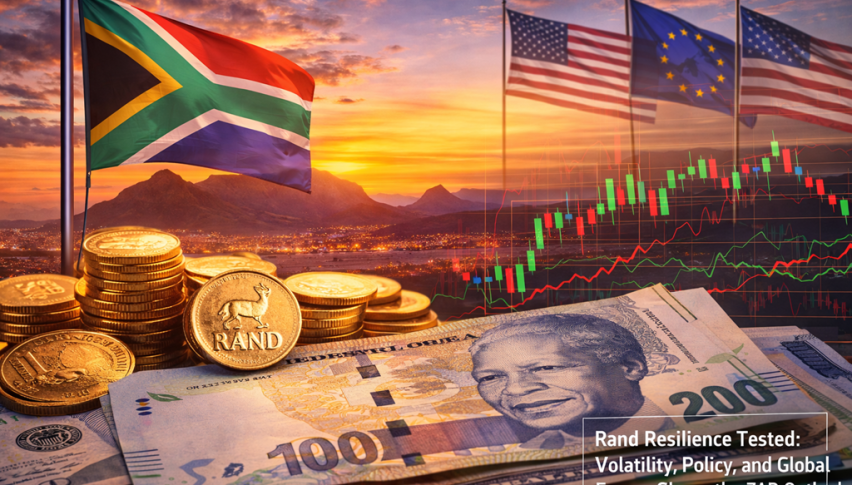
The South African rand drops 1% due to SARB rate hike fears and global market volatility.

Quick overview
- The South African rand fell by 1% against the US dollar due to fears of a potential rate hike by the SARB and global market volatility.
- Investor anxiety regarding future monetary policy is heightened despite the SARB currently maintaining stable interest rates.
- While inflation shows signs of easing, the rand's volatility reflects broader concerns about South Africa's economic resilience.
- Traders should monitor SARB announcements and global indicators closely, as these will influence short-term currency fluctuations.
Live USD/ZAR Chart

The South African rand tumbled by 1% against the US dollar as fears of a potential rate hike by the South African Reserve Bank (SARB) coupled with global market volatility weighed heavily on investor sentiment.
Behind the Headline
Amidst a backdrop of global economic uncertainty, the rand’s recent downturn highlights the precarious position of emerging market currencies. FXLeaders reports that investor anxiety about potential rate hikes by the SARB is exacerbating this trend. While the central bank has opted to keep rates stable for now, concerns persist about future monetary policy moves, especially as inflationary pressures, although easing slightly, continue to loom.
South Africa Market Angle
The SARB’s monetary policy decisions are crucial for the South African economy, which is already grappling with a host of challenges. Inflation peaked last December, but recent reports suggest a potential easing, providing some relief to consumers and businesses alike. However, the JSE has mirrored the rand’s volatility, reflecting broader concerns about South Africa’s economic resilience in the face of global turbulence.
Contrary Angle
Despite the prevailing narrative of impending rate hikes, some analysts argue that the SARB may maintain its current stance for longer than expected. BusinessReport.co.za suggests that inflationary pressures might subside further, reducing the need for immediate action. This perspective posits that a stable interest rate could foster a more conducive environment for economic recovery and attract foreign investment, offering a silver lining to the current economic cloud.
Why Traders Should Care
For currency traders and investors, understanding the dynamics at play is critical. The volatility of the rand presents both risks and opportunities. Traders should closely monitor SARB announcements and global economic indicators, as these will likely drive short-term fluctuations. Additionally, the potential for a rate hike could impact bond yields and stock market performance, necessitating a vigilant approach to portfolio management.
Conclusion
In an era marked by rapid market changes and economic unpredictability, the rand’s slide is a reminder of the interconnectedness of global financial systems and local economic policies. As the SARB navigates these choppy waters, traders must remain informed and agile, ready to adapt their strategies to capitalize on emerging trends.
- Check out our free forex signals
- Follow the top economic events on FX Leaders economic calendar
- Trade better, discover more Forex Trading Strategies
- Open a FREE Trading Account
- Read our latest reviews on: Avatrade, Exness, HFM and XM

Related Articles

Sidebar rates

Related Posts
 Save
Save