Senate Committee Advances Kevin Warsh Nomination
If the timeline proceeds as expected, Warsh could chair his first Federal Open Market Committee meeting on June 19.
Quick overview
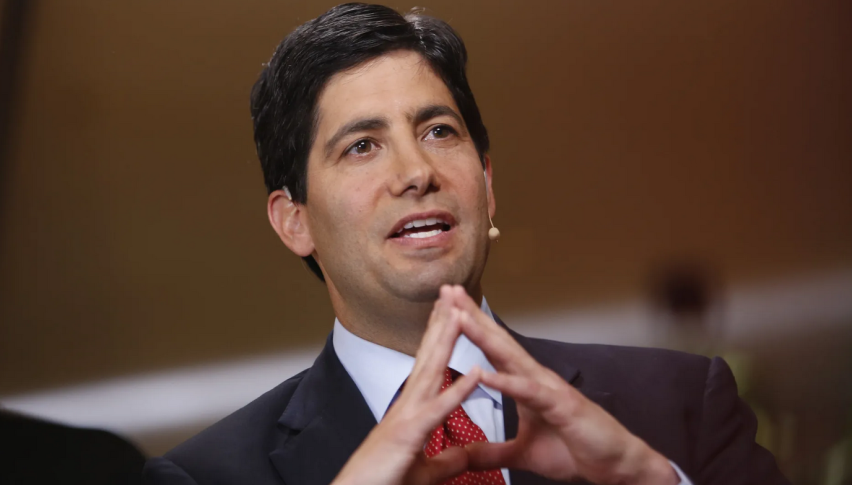
- The Senate Banking Committee approved Kevin Warsh's nomination to chair the Federal Reserve, with all Republicans in favor and all Democrats opposed.
- Senator Elizabeth Warren criticized the nomination, claiming it reflects President Trump's attempt to exert political control over the central bank.
- Approval in the committee was uncertain until the Department of Justice closed an investigation involving Fed Governor Powell, which cleared the way for Republican support.
- Warsh outlined his leadership priorities, focusing on inflation control, reducing the Fed's involvement in climate policy, and shrinking the Fed's balance sheet.
The vote split along party lines, with all 13 Republicans backing the nomination and all 11 Democrats opposing it. Senator Elizabeth Warren accused President Donald Trump of attempting to “take control” of the central bank.
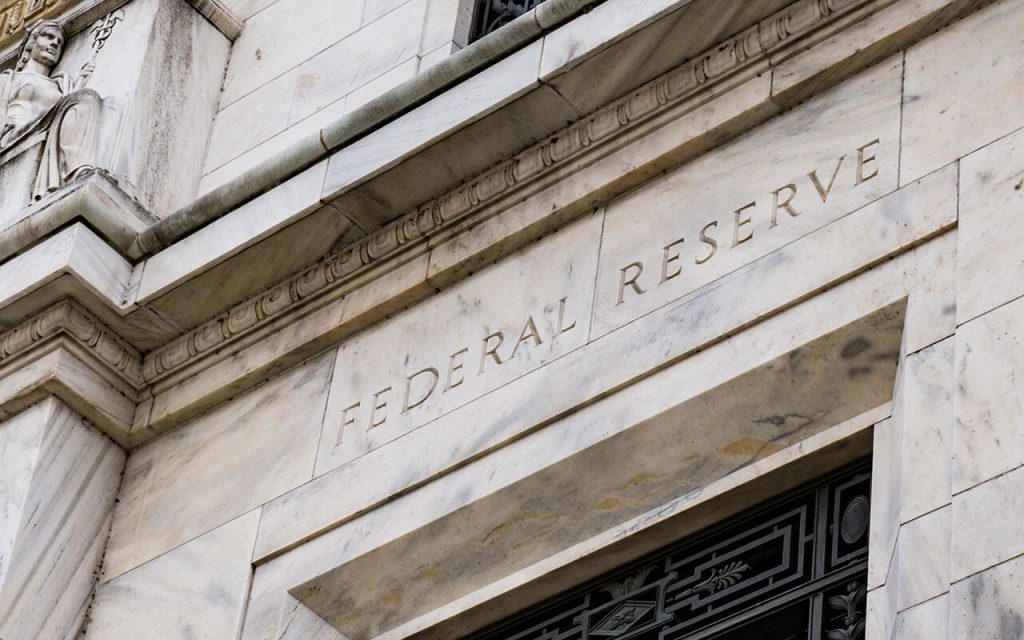
Just hours before the Federal Reserve announced its latest interest-rate decision, the Senate Banking Committee approved Wednesday the nomination of Kevin Warsh to chair the Fed. The full Senate must now vote to confirm the appointment before Jerome Powell’s term expires on May 15.
The committee vote reflected sharp partisan divisions. All 13 Republican senators supported Trump’s nominee, while all 11 Democrats voted against him.
Warren emerged as the leading critic during the hearing, warning that Warsh’s nomination represented part of a broader effort by Trump to exert greater political influence over the central bank.
She also claimed the administration had attempted to remove Fed Governor Lisa Cook through allegations tied to mortgage fraud and had pushed for an investigation into Powell over alleged cost overruns linked to the renovation of the Fed’s headquarters.
“Trump has not been subtle about his power grab,” Warren said.
A Key Obstacle Removed
Approval in committee remained uncertain until the final days due to the position of Republican Senator Thom Tillis, who had warned he would block Warsh’s nomination unless the investigation involving Powell was resolved.
Last Friday, the Department of Justice announced it was closing the case, clearing Tillis’ concerns and ultimately paving the way for his support on Wednesday.
Warsh’s Path to the Fed
According to analysts at Balanz, the next step is approval by the full Senate, where Republicans currently hold the majority. However, no official date has yet been scheduled for the confirmation vote.
If the timeline proceeds as expected, Warsh could chair his first Federal Open Market Committee meeting on June 19.
Under that scenario, Powell would remain at the helm of the Fed only on an interim basis until Warsh is formally sworn in. Powell has not yet confirmed whether he intends to remain on the Fed’s Board of Governors—where his term runs through January 2028—or step down entirely from the institution.
During his Senate hearing last week, Warsh outlined three main priorities for his leadership agenda:
- Refocusing the Fed on its traditional dual mandate while reducing involvement in climate and regulatory policy debates
- Adopting a stricter and more reactive approach to inflation control, criticizing monetary policy decisions made between 2021 and 2022
- Significantly shrinking the Fed’s balance sheet, arguing that a smaller balance sheet would support lower interest rates, better inflation outcomes, and stronger economic growth.
- Check out our free forex signals
- Follow the top economic events on FX Leaders economic calendar
- Trade better, discover more Forex Trading Strategies
- Open a FREE Trading Account
- Read our latest reviews on: Avatrade, Exness, HFM and XM

Related Articles
Sidebar rates

