Gold Crashes Into a Brutal Wall: 30% Plunge From $5,595 Peak to $4,000 Floor
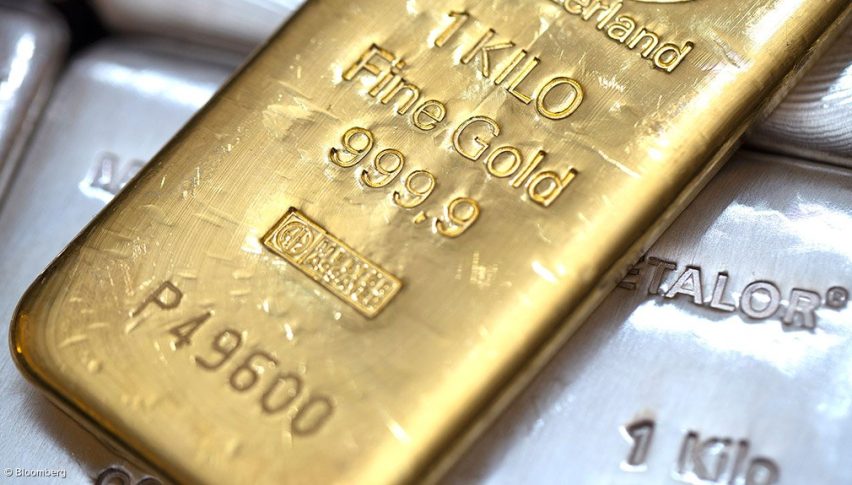
Spot gold has hit a brutal wall, plummeting nearly 28% to 30% from its absolute peak of $5,594.82 per ounce in January 2026, around the $4,000 psychological floor.
Quick overview
- Spot gold has dropped nearly 28% to 30% from its peak of $5,594.82 per ounce in January 2026, nearing the $4,000 psychological floor.
- This decline has resulted in a loss of over $10 trillion to $12 trillion in global paper wealth due to the vast amount of above-ground gold.
- The correction is influenced by rising inflation, potential Federal Reserve rate hikes, and a stronger US Dollar, which diminishes gold's appeal as a non-yielding asset.
- While retail investors are exiting, institutional sentiment varies, with Goldman Sachs lowering its target to $4,900, while others maintain a more optimistic outlook of $6,000 per ounce by the end of 2026.
Spot gold has hit a brutal wall, plummeting nearly 28% to 30% from its absolute peak of $5,594.82 per ounce in January 2026, around the $4,000 psychological floor.
Because the total value of all above-ground gold sits at a massive scale, an approximate $1,600 per-ounce drop across roughly 212,000 metric tons does indeed wipe out well over $10 trillion to $12 trillion in global paper wealth.
This historic correction after a massive 2024–2025 bull run is driven by three main macroeconomic pressures:
At the start of the year, markets were aggressively pricing in multiple rate cuts. Instead, resilient inflation and a scorching hot US labor market forced the Federal Reserve to signal potential rate hikes later this year. Because gold is a non-yielding asset (it doesn’t pay dividends or interest), spiking bond yields make sitting in cash or Treasuries much more attractive.
The US Dollar Index (DXY) has rallied back to multi-year highs. Because gold is priced globally in greenbacks, a stronger dollar mechanically makes bullion more expensive for international institutional buyers, putting a severe lid on global demand.
Gold’s exponential surge was fueled during the peak of the US–Iran conflict. An interim diplomatic agreement and the partial reopening of the Strait of Hormuz led to a 30% drop in crude oil, draining the fear premium out of the commodities market almost instantly. While retail ETF investors are rushing for the exits, institutional sentiment is split. Goldman Sachs recently slashed its year-end target down to $4,900, but JP Morgan and Bank of America are holding their ground with a target of $6,000/oz by the end of 2026, betting that structural central bank buying and global currency debasing will eventually catch the falling knife.
- Check out our free forex signals
- Follow the top economic events on FX Leaders economic calendar
- Trade better, discover more Forex Trading Strategies
- Open a FREE Trading Account
- Read our latest reviews on: Avatrade, Exness, HFM and XM

Related Articles

Sidebar rates

Related Posts
 Save
SaveAva

