South African Fuel Prices Drop Sharply as Lower Oil Prices Deliver July Relief, Petrol Down by R2, Diesel by R3
South African motorists are receiving significant fuel price relief in July as lower global oil prices and a stronger rand more than offset the reinstatement of the full fuel levy.

Quick overview
- South African motorists will see significant fuel price reductions starting July 1, 2026, with petrol prices dropping by up to R2.01 per litre and diesel by over R3.00 per litre.
- The decline in fuel prices is attributed to lower global oil prices and a stronger rand, which have offset the reinstatement of the full fuel levy.
- Wholesale paraffin prices will also decrease sharply, while LP Gas will see a slight increase in price.
- Despite the end of temporary tax relief, the overall impact of the price reductions is one of the largest seen this year.
Live USOIL Chart

South African motorists are receiving significant fuel price relief in July as lower global oil prices and a stronger rand more than offset the reinstatement of the full fuel levy.
Fuel Prices Decline Across the Board
South African motorists will benefit from substantially lower fuel prices after the Department of Mineral and Petroleum Resources announced broad-based price reductions effective from Wednesday, 1 July 2026.
Petrol 93 octane will decrease by R2.01 per litre, while 95 octane will fall by R1.96 per litre. Diesel users will receive even larger relief, with both grades of diesel declining by more than R3.00 per litre, marking the second consecutive monthly reduction after diesel prices surged during the first half of the year.
Wholesale paraffin prices will also fall sharply by R5.23 per litre, while retail paraffin will decline by R6.97 per litre. The only fuel product becoming more expensive is LP Gas, with the maximum retail price increasing by 16 cents per kilogram, or 19 cents in the Western Cape.
Lower Oil Prices and Stronger Rand Drive Relief
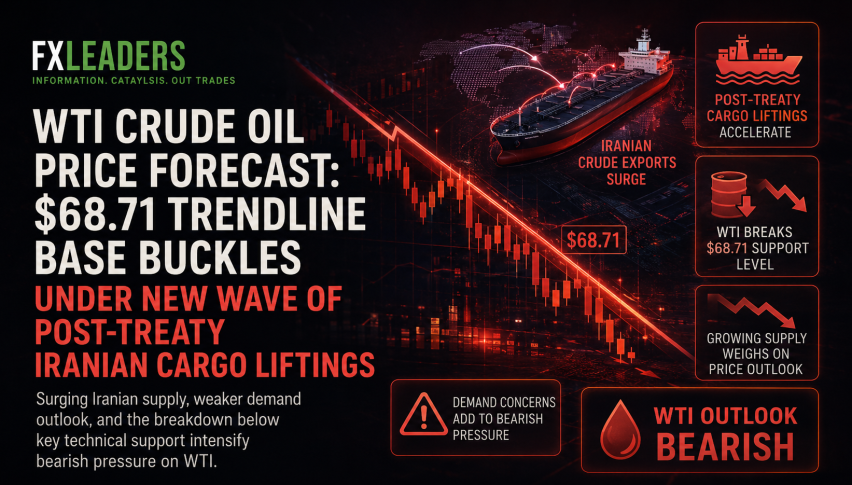
The latest fuel price reductions follow a significant easing in global oil prices after crude markets retreated from the elevated levels reached earlier this year during heightened tensions in the Middle East.
Brent crude has softened as geopolitical risks eased and diplomatic efforts between the United States and Iran improved market sentiment, reducing fears of prolonged supply disruptions.
Currency movements also supported lower domestic fuel prices. During the review period from 29 May to 25 June 2026, the average exchange rate strengthened to R16.37 per US dollar, compared with R16.51 during the previous pricing period. A stronger rand lowers the cost of imported fuel, amplifying the benefit from declining international oil prices.
Official prices after July adjustments:
| Inland | Coastal | |
| Petrol 93 | R25.94 | R25.15 |
| Petrol 95 | R26.10 | R25.23 |
| Diesel 0.05% (wholesale) | R24.78 | R23.91 |
| Diesel 0.005% (wholesale) | R25.67 | R24.41 |
| Illuminating Paraffin | R17.24 | R16.19 |
| LPGAS (per kg) | R41.11 | R37.86 |
| LPGAS (Saldanha) (per kg) | – | R40.84 |
Fuel Levy Relief Comes to an End
Despite the substantial price reductions, motorists will no longer benefit from temporary tax relief introduced earlier this year.
In line with the announcement by Finance Minister Enoch Godongwana, the temporary reduction in the general fuel levy has now been fully phased out, restoring the full levy rates announced in the February Budget.
The short-term intervention, which cost the government an estimated R17.2 billion in forgone tax revenue, officially ended in July. Nevertheless, the combined impact of lower Brent crude prices and a stronger rand more than offset the reinstated levy, allowing motorists to enjoy one of the largest monthly fuel price reductions seen this year.
- Check out our free forex signals
- Follow the top economic events on FX Leaders economic calendar
- Trade better, discover more Forex Trading Strategies
- Open a FREE Trading Account
- Read our latest reviews on: Avatrade, Exness, HFM and XM

Related Articles

Sidebar rates

Related Posts
 Save
SaveAva

