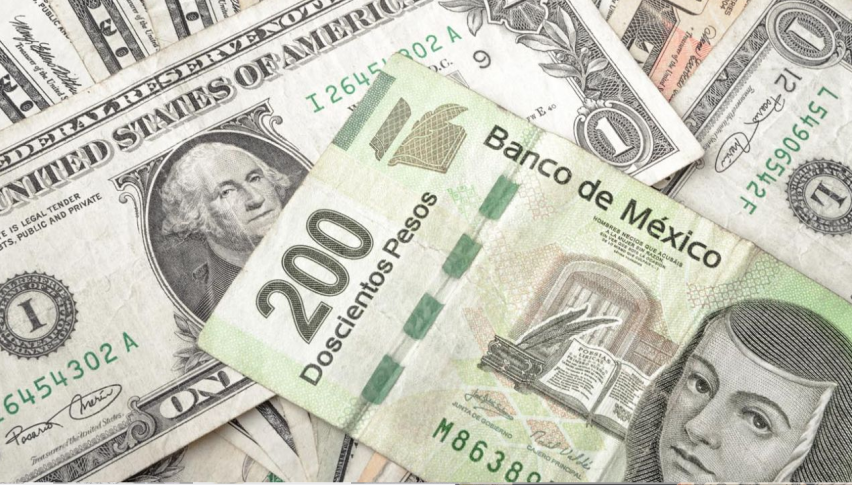
Mexican Peso Falls 35 Cents Against the Dollar Amid Middle East Jitters
During the session, the dollar traded in a range between a high of 17.8770 pesos — its strongest level since mid-January.
Quick overview
- The Latin American currency weakened due to heightened risk aversion linked to the Middle East conflict.
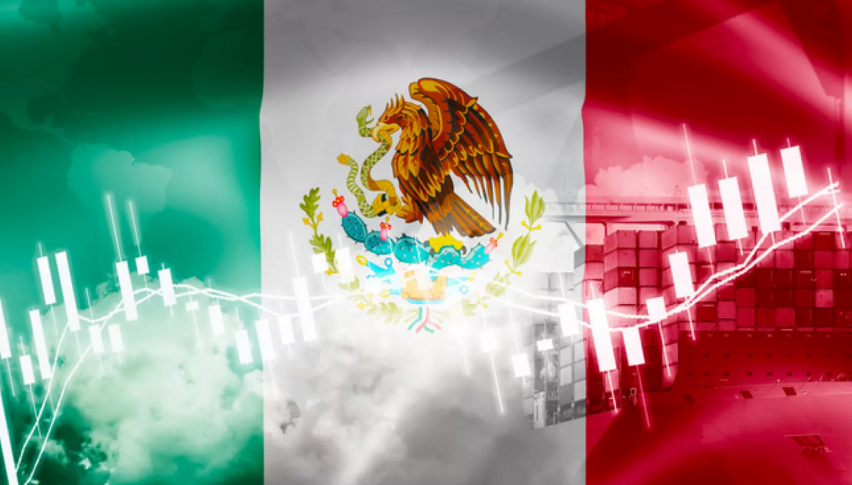
- The Mexican peso depreciated sharply against the U.S. dollar, closing at 17.6367 pesos per dollar.
- Geopolitical tensions have led to a flight to safety, with the U.S. Dollar Index rising amid concerns over inflation and energy prices.
- The ongoing war is impacting currency markets, with elevated oil prices straining importing nations and potentially dragging down global growth.
The Latin American currency weakened amid persistent risk aversion in financial markets, as investors grew increasingly concerned about the economic fallout from the war in the Middle East.
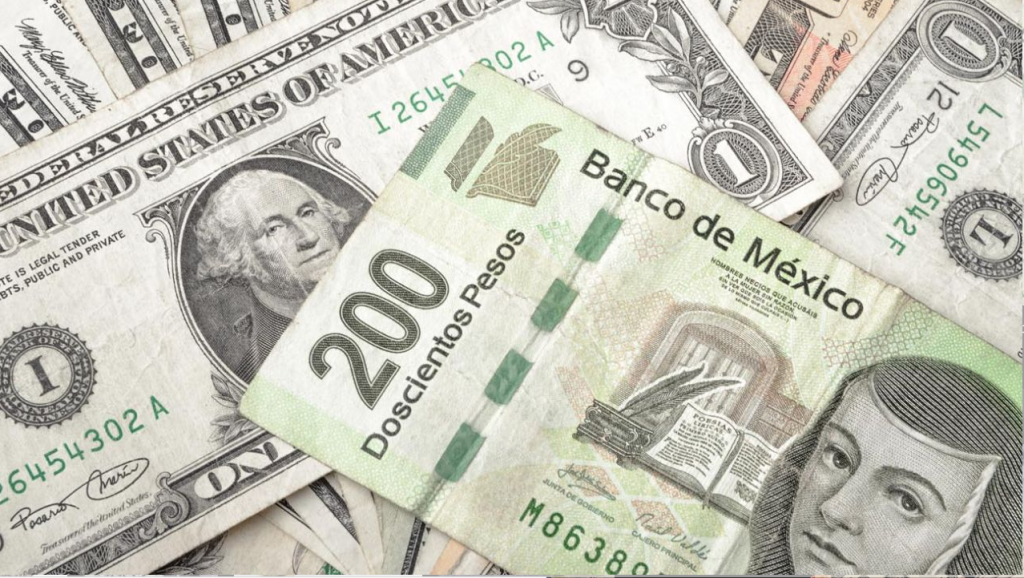
The Mexican peso depreciated sharply against the U.S. dollar in Tuesday’s trading session. The local currency came under pressure as heightened geopolitical tensions fueled a flight to safety.
The exchange rate closed at 17.6367 pesos per dollar. Compared with Monday’s official close of 17.2853, according to data from the Banco de México (Banxico), this represented a loss of 35.14 centavos, or 2.03%.
During the session, the dollar traded in a range between a high of 17.8770 pesos — its strongest level since mid-January — and a low of 17.2907. The U.S. Dollar Index (DXY), which measures the greenback against a basket of six major currencies, rose 0.48% to 99.03.
On Tuesday, the United States and Israel continued their attacks on Iran, aimed at dismantling the ayatollah-led regime and its nuclear ambitions. Meanwhile, Iran maintained actions against vessels in the Strait of Hormuz, a key artery for global oil trade.
Benchmark oil prices surged for a second straight day, as disruptions to shipping routes increased costs for companies. Traders are adjusting their outlooks in light of rising inflation expectations and the potential implications for monetary policy.
The war and its impact on energy prices continue to dominate currency markets. The longer oil prices remain elevated, the greater the strain on importing nations and the heavier the drag on global growth.
Currency pressure largely reflects the rebound in crude prices and mounting concerns over inflation stemming from the conflict, which have strengthened the dollar’s appeal as a defensive asset. Investors remain wary that a prolonged Middle East conflict could trigger significant supply disruptions, pushing oil — and inflation — even higher.
- Check out our free forex signals
- Follow the top economic events on FX Leaders economic calendar
- Trade better, discover more Forex Trading Strategies
- Open a FREE Trading Account
- Read our latest reviews on: Avatrade, Exness, HFM and XM

Related Articles
Sidebar rates

Related Posts
 Save
Save