Tesla’s $600 Breakout Hinges on FSD Monetization, Cybercab , and Robotaxi Rollout
The stock operates at an incredibly high valuation—sporting a trailing Price-to-Earnings (P/E) ratio of over 365x.
Quick overview
- TSLA is a highly debated growth stock with a trailing P/E ratio exceeding 365x, raising questions about its valuation based solely on electric vehicle sales.
- The stock's future depends on successful monetization of Full Self-Driving technology, the ramp-up of Cybercab production, and the rollout of Robotaxis.
- Tesla is shifting its capital focus towards AI and technology, planning $20 billion to $25 billion in expenditures by 2026, which may lead to negative free cash flow in the short term.
- The recent IPO of SpaceX has created a new dynamic for Tesla, as it holds significant shares in SpaceX, but could also dilute the 'Musk-premium' investor interest in TSLA.
TSLA continues to be one of the most heavily debated battleground growth stocks on Wall Street. The stock operates at an incredibly high valuation—sporting a trailing Price-to-Earnings (P/E) ratio of over 365x.
The core of the Tesla debate is simple: its current stock price cannot be justified solely by selling electric vehicles. Investors are paying a premium because they believe Tesla is fundamentally an AI, robotics, and autonomy company.
The ultimate trajectory of the stock hinges on Full Self-Driving (FSD) monetization, the Cybercab production ramp, and the Robotaxi rollout. Bulls like Dan Ives (Wedbush) maintain a Street-high $600 price target, betting that an accelerated AI autonomous path is on the horizon and that a multi-city Robotaxi rollout will spark Tesla’s biggest growth chapter yet.
Regulatory headwinds remain a massive threat to this narrative. The stock faces pressure following recent federal scrutiny and safety investigations into its driver-assistance systems, highlighting the bumpy road toward full autonomy.
Tesla is aggressively pivoting its capital allocation toward technology. Management has guided for a massive $20 billion to $25 billion in capital expenditure for 2026, heavily focused on funding AI training infrastructure and supercomputing clusters. While necessary for its long-term AI vision, analysts from firms like Goldman Sachs note that this massive spending is expected to result in negative free cash flow for the remainder of the year, which could compress near-term stock performance.
Outside of automotive, Tesla’s energy division (Megapack and solar storage) is poised for substantial structural growth as global grid infrastructure demands climb. However, near-term margin compression within this segment remains a risk as the company continues to scale its manufacturing facilities.
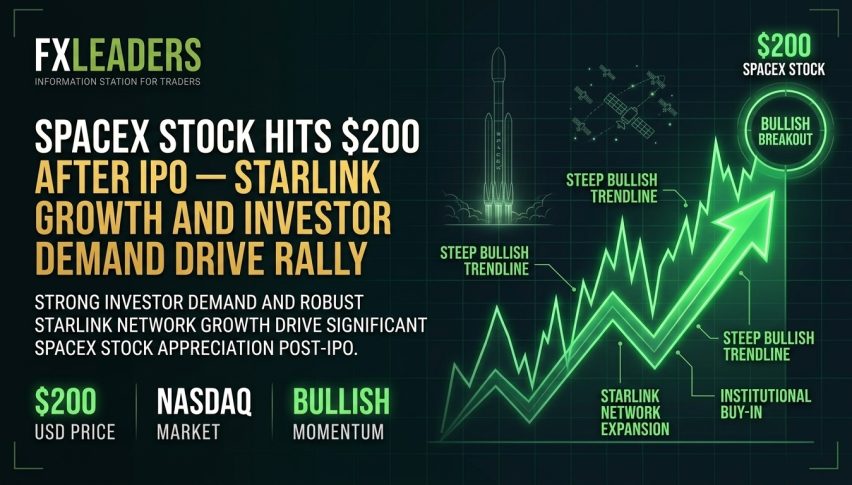
The recent landmark Nasdaq IPO of Elon Musk’s SpaceX (SPCX) in June 2026 has introduced a unique dynamic. While Tesla directly benefits as a corporate holder of roughly 19 million SpaceX Class A shares (valued at over $2.5 billion), some institutional analysts worry that the listing could fragment the retail investor base that traditionally pooled all “Musk-premium” capital into TSLA.
- Check out our free forex signals
- Follow the top economic events on FX Leaders economic calendar
- Trade better, discover more Forex Trading Strategies
- Open a FREE Trading Account
- Read our latest reviews on: Avatrade, Exness, HFM and XM

Related Articles
Sidebar rates

Related Posts
 Save
Save