Bessent: “Latin America and Argentina Can’t Fall to China”
Financial analysts had suggested fully freeing the dollar to prevent the Treasury or Central Bank from depleting reserves.
Quick overview
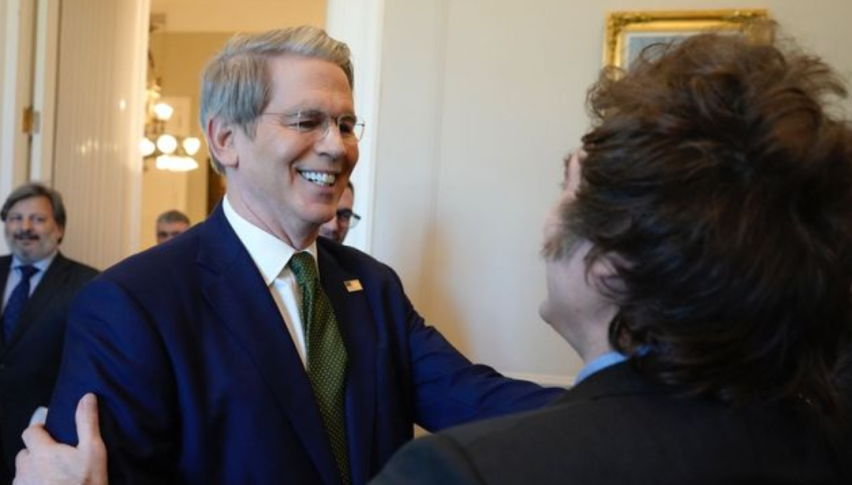
- U.S. Treasury Secretary Scott Bessent expressed support for Argentine President Javier Milei, emphasizing a financial aid package that includes a USD 20 billion currency swap.
- Bessent highlighted the importance of stabilizing Argentina to prevent it from becoming a failed state or falling under Chinese influence.
- He clarified that the financial assistance is not a bailout but a strategic investment, as the Argentine peso is currently undervalued.
- The U.S. is actively purchasing Argentine pesos to support the exchange rate, while maintaining that the current exchange rate band is appropriate.
U.S. Treasury Secretary Scott Bessent reaffirmed support for the government of Argentine President Javier Milei on Friday, highlighting the significance of a financial aid package following a USD 20 billion currency swap.
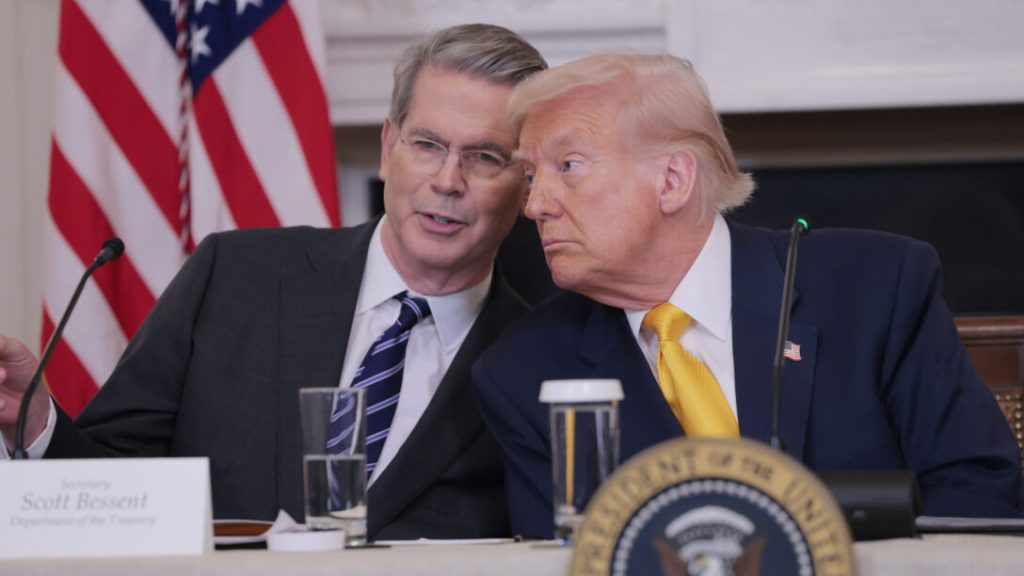
Next week, the President is expected to meet with Donald Trump at the White House.
Bessent stated on X (formerly Twitter):
“President @JMilei is attempting to break 100 years of negative cycles in Argentina. He is a strong ally of the United States, and we look forward to his visit to the Oval Office next week.”“We don’t want another failed state or one led by China in Latin America. Stabilizing Argentina is a priority for the United States,” he added.
The upcoming White House meeting underscores U.S. backing. On Thursday night, Bessent discussed the financial assistance, explaining that it mainly involves a USD 20 billion currency swap.
Addressing political concerns in the U.S., he added:
“This is not a bailout at all. It’s about buying low and selling high.” He also noted that the Argentine peso is currently undervalued.Key points from Bessent’s announcement include the sale of dollars, the swap, exchange rate bands, and IMF monitoring. He confirmed:
“Today we are directly purchasing Argentine pesos,” following a shortage of dollars in Argentina’s Treasury to support the exchange rate.
Starting at midday, the U.S., via Banco Santander, intervened in the official market to buy pesos, according to sources at the bank.
Bessent also reaffirmed that Argentina’s exchange rate band remains appropriate for its purpose, responding to local market concerns that the system might be adjusted following the October 26 midterm elections. Some financial analysts had suggested fully freeing the dollar to prevent the Treasury or Central Bank from depleting reserves to maintain the band.
- Check out our free forex signals
- Follow the top economic events on FX Leaders economic calendar
- Trade better, discover more Forex Trading Strategies
- Open a FREE Trading Account
- Read our latest reviews on: Avatrade, Exness, HFM and XM

Related Articles
Sidebar rates

Related Posts
 Save
Save