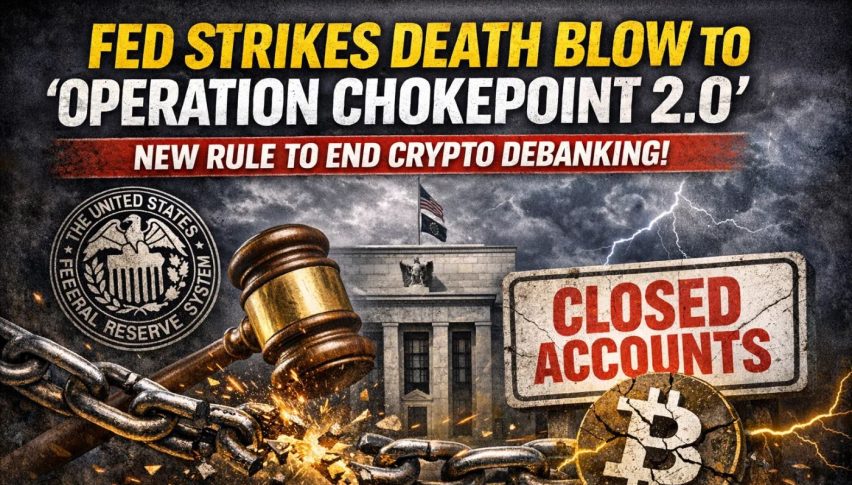
Fed Strikes Death Blow to “Operation Chokepoint 2.0”: New Rule to End Crypto Debanking
In a huge win for the digital asset sector, the US Federal Reserve has announced a 60 day public comment period on a proposal...
Quick overview
- The US Federal Reserve has initiated a 60-day public comment period on a proposal to eliminate 'reputation risk' from banking supervision, benefiting the digital asset sector.
- This regulatory change aims to replace subjective criteria with objective measures like liquidity and compliance, making it easier for crypto firms to secure banking relationships.
- Industry leaders, including Senator Cynthia Lummis, celebrate this move as a significant step towards restoring the rule of law and reducing restrictive banking practices.
- If implemented, the proposal could position the US as a global hub for blockchain innovation by fostering a more favorable banking environment for digital asset companies.
In a huge win for the digital asset sector, the US Federal Reserve has announced a 60 day public comment period on a proposal to strip ‘reputation risk’ from banking supervision. This regulatory shift is a direct blow to the informal “Operation Chokepoint 2.0” campaign that’s been hitting crypto firms, politicians and law-abiding businesses where it hurts – in the bank accounts.
Ditching the Subjective Supervision Game
For years, the crypto industry has been fighting against banking regulators who’ve been using the vague term ‘reputation risk’ as a way to strong-arm financial institutions into cutting ties with digital asset companies.
If this proposal comes to fruition, it means that supervisors will have to stick to hard facts like liquidity, capital and AML compliance when deciding whether to approve a bank’s dealings with crypto firms, and not just because they don’t like the look of them.
What You Need to Know About This Proposal:
- Countdown Begins: The clock is ticking – the public has until late April 2026 to get in on the feedback before the rule is finalized.
- Michelle Bowman’s Take: The Fed’s Vice Chair for Supervision is weighing in, stating that “banking institutions shouldn’t be discriminating against customers based on who they’re dealing with – and the Federal Reserve shouldn’t be giving them the green light to do so either.”
- Protection from Petty Criticism: The rule would stop supervisors from nagging banks for serving customers in perfectly legal businesses, regardless of how “unfashionable” those industries might be.
Industry Celebrates the End of the “Judge and Jury” Mentality
The crypto community and pro-innovation lawmakers are breathing a sigh of relief, seeing this as a huge restoration of the rule of law. Senator Cynthia Lummis, one of the biggest advocates for digital assets out there, is pretty chuffed about the move, and took to X (formerly Twitter) to say: ” Glad to see this important step to permanently remove ‘reputation risk’ from Fed policy and put Operation Chokepoint 2.0 to rest ”
🚫The End of "Operation Chokepoint 2.0"?
1/7 🧵 The Fed just took a massive step to end "debanking." A new proposal seeks to codify the removal of "reputation risk" from bank supervision. This sounds technical, but it’s a game-changer for crypto. ↓#Fed #Banking #CryptoNews… pic.twitter.com/cTGjKMw0Es
— CoinTrend | Crypto News (@CoinTrendNews) February 24, 2026
Alex Thorn, Head of Research at Galaxy Digital, agrees, saying this proposal is a major step in the right direction in rolling back restrictive banking practices that’ve been holding back the US crypto sector.
Trump vs JPMorgan: A $5 Billion Legal Showdown
This proposal is coming at a pretty tense time, considering the current high-stakes lawsuit between President Donald Trump and JPMorgan Chase, with Trump claiming to have been “debanked” in the aftermath of the January 6 Capitol events for purely political reasons.
JPMorgan initially denied the allegations, but recent court filings revealed that a former executive had pretty much confirmed that the bank did indeed close the accounts in February 2021.
This case has turned into a bit of a lightning rod for the debanking debate, highlighting just how easily “reputation risk” can be used as a way to freeze out high-profile individuals and businesses alike.
What This Means for Crypto Firms Looking to Bank
For new and established players in the space alike, this change means a whole lot less friction when it comes to opening basic operating accounts.
- Tighter Lines: Crypto startups might find it a whole lot easier to secure a foothold in the banking world.
- Clear As Day: Banks can focus on getting the technical stuff right, rather than worrying about looking good in the eyes of the regulators.
- More Confidence: Larger financial institutions are more likely to offer up custody and settlement services to crypto clients without the threat of a regulatory crackdown hanging over them.
Comparing Old vs. New Supervisory Models
| Feature | Old “Chokepoint” Era | New Proposed Framework (2026) |
| Primary Criterion | Reputation & “Optics” | Material Financial Risk |
| Supervisory Power | Informal pressure to drop clients | Restricted to safety and soundness |
| Industry Impact | High account closure rates | Predictable, objective onboarding |
| Legal Standing | Vague guidelines | Codified federal law |
The Road to “Digital Asset Capital”
If this rule comes into effect, it could be the catalyst that puts the US firmly on the map as a global hub for blockchain innovation. By removing the threat of arbitrary account closures, the Fed is effectively giving the green light to a whole new era of objective integration.
- Check out our free forex signals
- Follow the top economic events on FX Leaders economic calendar
- Trade better, discover more Forex Trading Strategies
- Open a FREE Trading Account
- Read our latest reviews on: Avatrade, Exness, HFM and XM

Related Articles
Sidebar rates

Related Posts
 Save
Save