South Africa GDP Growth Masks Economic Strains, Traders Eye Rand Volatility
As South Africa posts its fastest economic growth in three years, the underlying economic strain on the working class remains a pressing concern for traders and analysts.What HappenedAccording to Moneyweb,...

Quick overview
- South Africa's economy experienced its fastest growth in three years in Q4 2025, but the benefits are not reaching the working class.
- The South African Federation of Trade Unions highlights that GDP growth is unevenly distributed, leaving many workers behind.
- Traders should be cautious as the mixed economic signals could lead to volatility in the currency and equity markets.
- Despite positive GDP figures, risks from global uncertainties and domestic challenges may undermine the sustainability of this growth.
Live USD/ZAR Chart

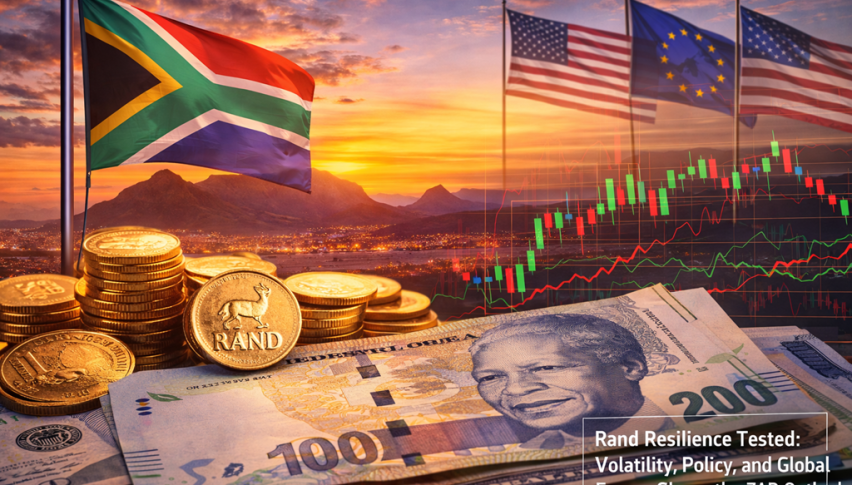
As South Africa posts its fastest economic growth in three years, the underlying economic strain on the working class remains a pressing concern for traders and analysts.
What Happened
According to Moneyweb, South Africa’s economy recorded its most rapid growth in three years in the fourth quarter of 2025, providing a glimmer of hope for a nation grappling with various economic challenges. Despite this upbeat headline, the South African Federation of Trade Unions (SAFTU) argues that the GDP figures are failing to translate into tangible improvements for the working class. The economic expansion, while notable, appears to be unevenly distributed, leaving many workers without the benefits of this growth.
South African Market Angle
The South African Reserve Bank (SARB) will be closely monitoring these developments, as they have significant implications for monetary policy. The strengthened GDP growth could bolster the rand in the short term, but the lack of widespread economic benefit poses a risk to long-term stability. The Johannesburg Stock Exchange (JSE) might experience fluctuations as investors react to these mixed signals. Additionally, the resilience of the local economy, as noted by the International Monetary Fund (IMF), suggests that while there is potential for stability, downside risks remain.
Contrary Angle
Contrary to the notion of an outright economic upturn, the risks highlighted by the IMF, such as global economic uncertainties and domestic challenges, could undermine the sustainability of this growth. Furthermore, the Stats SA economic wrap-up for August 2025 indicates that while certain sectors thrive, others, particularly those employing a large portion of the working class, continue to struggle. This uneven recovery could dampen consumer confidence and spending, ultimately affecting the overall economic trajectory.
Why Traders Should Care
For traders, the current economic landscape in South Africa suggests potential volatility in the currency and equity markets. The rand may experience fluctuations as market participants digest the mixed GDP news and its implications for future monetary policy. Traders should monitor SARB’s policy signals closely, as any indications of rate adjustments could lead to significant moves in the USD/ZAR pair. Additionally, the JSE could see sector-specific movements, with some industries benefiting from the growth while others remain stagnant.
Conclusion
In conclusion, while South Africa’s GDP growth figures present a positive headline, the underlying economic realities paint a more complex picture. Traders and investors should remain vigilant, focusing on the broader macroeconomic indicators and policy developments that will shape the future trajectory of the rand and local markets.
- Check out our free forex signals
- Follow the top economic events on FX Leaders economic calendar
- Trade better, discover more Forex Trading Strategies
- Open a FREE Trading Account
- Read our latest reviews on: Avatrade, Exness, HFM and XM

Related Articles

Sidebar rates

Related Posts
 Save
Save