FirstRand Faces Turbulence as Citi Downgrade Fuels JSE Slide
FirstRand's EPS growth potential challenged by Citi downgrade and JSE volatility, impacting South Africa traders.

Quick overview
- FirstRand faces challenges due to a Citi downgrade and recent market turbulence affecting its earnings growth outlook.
- The South African market context, including a significant JSE downturn, adds complexity to FirstRand's situation.
- Despite the downgrade, FirstRand's strong fundamentals may provide resilience against short-term market pressures.
- Traders should monitor FirstRand as it could indicate broader financial sector trends and impact investor sentiment.
Live USD/ZAR Chart


FirstRand (JSE:FSR) finds itself at a crossroads as recent market turbulence and a Citi downgrade cast shadows over its promising earnings growth story.
Behind the Headline
Recent market analysis by simplywall.st highlighted FirstRand as a compelling investment opportunity due to its expected earnings per share (EPS) growth. However, Yahoo Finance reported a notable shift in sentiment as Citibank downgraded FirstRand, citing new assumptions that challenge the bank’s outlook. This development is contributing to broader market jitters, with FirstRand’s stock price experiencing volatility.
South Africa Market Angle
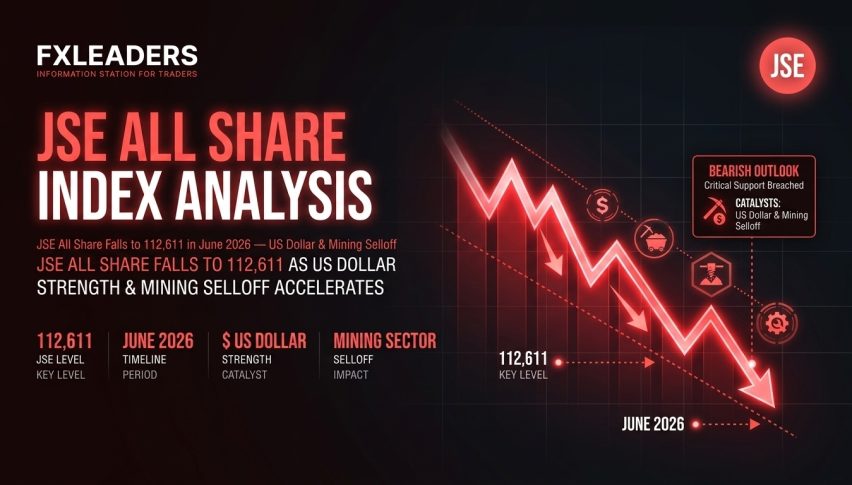
The South African market context adds layers of complexity to FirstRand’s situation. As the Johannesburg Stock Exchange (JSE) grapples with a significant R2 trillion wipeout, reported by Moneyweb, FirstRand’s performance becomes critical. The South African Reserve Bank’s (SARB) monetary policy and the rand’s fluctuations are crucial factors for FirstRand, especially as the bank navigates the current economic landscape. With the JSE index dipping by 1.1%, as noted by MarketForces Africa, FirstRand’s strategic moves will be closely watched by traders.
Contrary Angle
While the Citi downgrade and JSE downturn pose challenges, it’s important to recognize potential overreactions in market sentiment. FirstRand’s fundamentals, including its robust balance sheet and diversified revenue streams, may provide resilience against short-term market pressures. Analysts could argue that the downgrade reflects temporary market conditions rather than intrinsic weaknesses in FirstRand’s business model.
Why Traders Should Care
Traders focusing on South African markets should monitor FirstRand closely as it could serve as a bellwether for broader financial sector trends. The bank’s performance will likely influence investor sentiment across the JSE, affecting related stocks and sectors. Additionally, currency traders may find opportunities by observing how FirstRand’s developments impact the rand, particularly in light of SARB’s policy directions.
Conclusion
FirstRand stands at a critical juncture amid market volatility and shifting investor perceptions. While challenges loom, the bank’s underlying strengths suggest potential resilience. Traders should stay informed and agile, considering both the risks and opportunities presented by FirstRand’s evolving narrative.
- Check out our free forex signals
- Follow the top economic events on FX Leaders economic calendar
- Trade better, discover more Forex Trading Strategies
- Open a FREE Trading Account
- Read our latest reviews on: Avatrade, Exness, HFM and XM

Related Articles

Sidebar rates

Related Posts
 Save
Save