Natural Gas Prices Up as Injections Meet Forecasts
Natural gas rates are rising in the Untied States thanks to slowed production and lower inventory injections than normal.
Quick overview
- U.S. natural gas futures rose 2% to $2.95 per MMBtu, reaching a seven-week high due to storage injections meeting expectations and mild weather forecasts.
- Production at U.S. gas facilities has been halted, contributing to the upward price trend amid lower daily production and decreased heating demand.
- Despite elevated prices, overall storage levels remain above average, and the market anticipates a potential decline in LNG prices in the coming week.
- The ongoing situation in Iran has not significantly impacted U.S. reserves, allowing domestic factors like inventory levels and weather to primarily influence prices.
On Friday, U.S. natural gas futures jumped 2% to $2.95 per MMBtu thanks to storage injections meeting predicted levels and mild weather forecasts for the coming weeks.
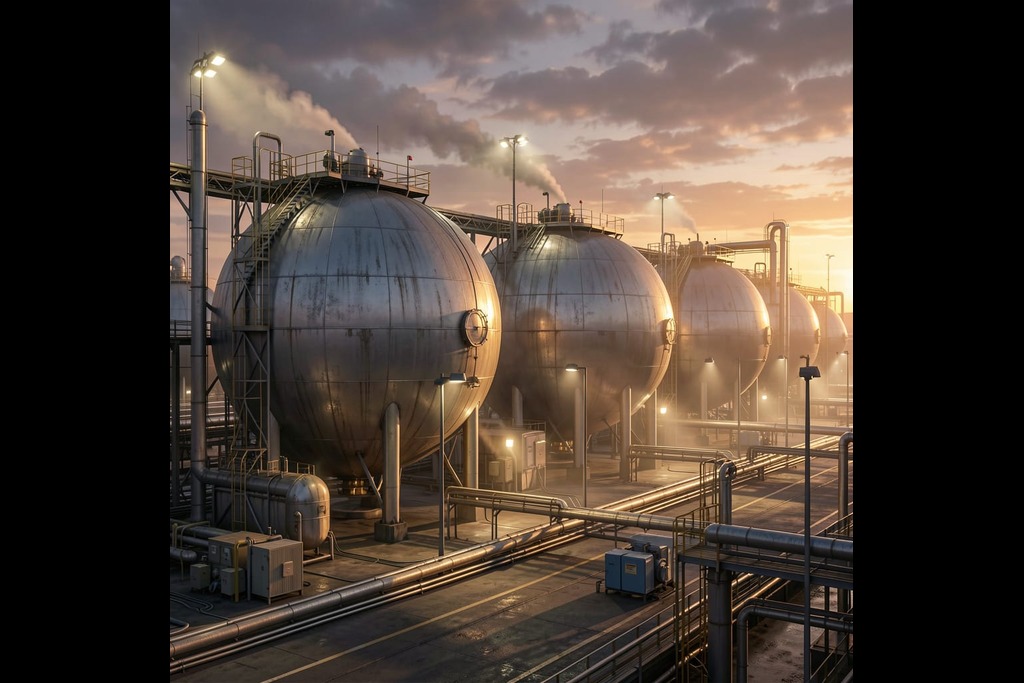
The price of natural gas in the United States is now back up to its seven-week high and nearing $3 per MMBtu. The latest injection was in line with storage expectations at 85 bcf and has helped the price of gas to return to its previous highs. The price has been slowly ticking upward recently due to halted production at a number of U.S. gas facilities.
The price could remain elevated for now since maintenance work on production facilities is expected to continue for a few more weeks. However, overall storage levels are above average, despite the slight pullback in storage injections in the most recent reading.
Natural Gas Prices Getting a Boost
Daily production is low as energy companies are decreasing their output to deal with the decline in heating demand. With little need for natural gas across the United States as warm weather pervades, production facilities are scaling back. That should be the norm for the next few months until warm weather gives way to winter once more.
Natural gas prices tend to dip throughout the summer months thanks to declining demand, but sometimes the various factors give the prices a little lift. That is what we are seeing here, and the price of natural gas is back to where it was early on in the Iran conflict. At that point in the fighting, there was serious concern that a global gas and oil crisis would pull in the United States and draw from its bountiful reserves that were still higher than normal at that time.
That has not happened yet, despite fighting in and around Iran continuing for a couple of months. The situation there is still volatile and could create a gas shortage, but U.S. reserves have not been needed for the most part so far. That has left the U.S. LNG market to contend with domestic factors primarily, like inventory levels, heating demand, and weather. Most of these factors have worked to bring domestic prices down, but investors are seeing a reprieve at the moment with elevated rates.
The market does not expect this situation to last, and LNG prices are likely to fall early next week. The lack of output from production facilities will still lift the rates, but mostly warm weather and higher than normal inventories should keep prices from climbing too high.
- Check out our free forex signals
- Follow the top economic events on FX Leaders economic calendar
- Trade better, discover more Forex Trading Strategies
- Open a FREE Trading Account
- Read our latest reviews on: Avatrade, Exness, HFM and XM

Related Articles


Sidebar rates

Related Posts
 Save
SaveAva