Goldman Sachs Warns of AI’s Growing Impact on Financial Markets
Goldman’s assessment contrasts with more pessimistic views that focus primarily on the disruptive effects of AI on employment.

Quick overview
- Chief economist Jan Hatzius warns that AI could widen the gap between large corporations and smaller competitors.
- Goldman Sachs' report indicates that technological advancements historically favor companies with greater scale and investment capacity.
- The investment bank estimates that large tech firms will invest over $700 billion in AI this year, reinforcing their market dominance.
- While concerns about AI's impact on jobs grow, Goldman suggests the primary effect has been the strengthening of financially capable companies.
Chief economist Jan Hatzius warned that artificial intelligence could further strengthen America’s largest corporations and widen the gap between dominant firms and smaller competitors, according to a new report from Goldman Sachs.
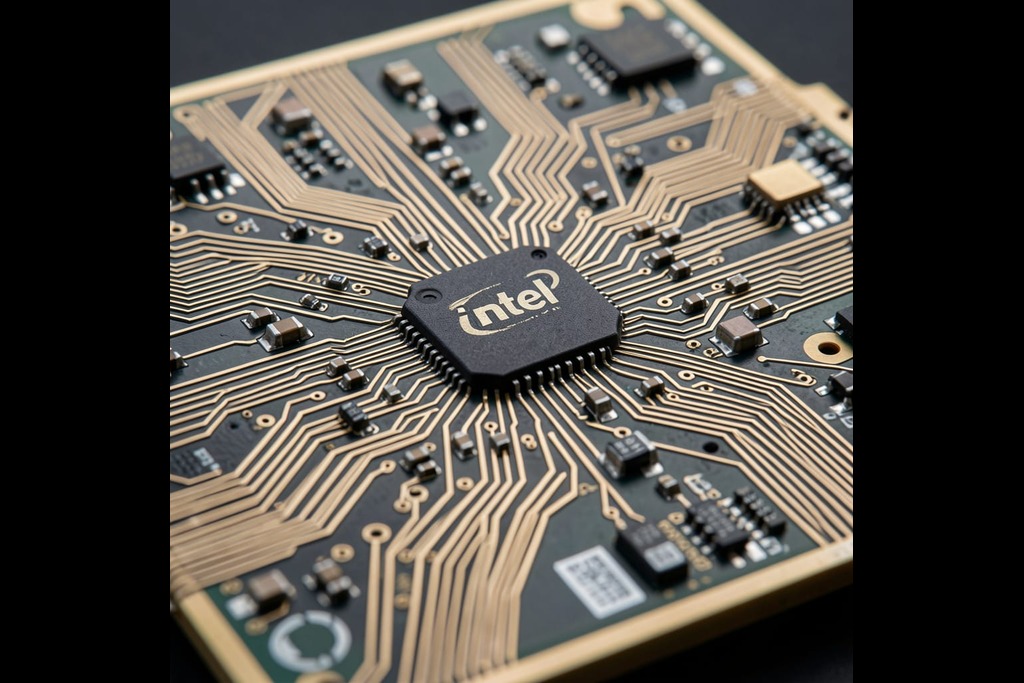
The investment bank examined nearly a century of data on corporate sales, profits, and taxation, concluding that periods of rapid technological advancement have historically favored companies with greater scale and investment capacity.
According to Hatzius, corporate concentration in the United States has been rising since the 1930s, with innovation cycles often accelerating that trend.
AI may reinforce the dominance of Big Tech
Goldman Sachs argues that major technological shifts typically require enormous upfront investments in infrastructure, software, and operational restructuring — costs that large corporations can absorb far more easily than smaller rivals.
In that environment, artificial intelligence could amplify economies of scale and network effects already enjoyed by leading technology firms.
Companies such as Microsoft, Amazon, Alphabet, and Meta Platforms are collectively investing hundreds of billions of dollars into AI infrastructure, particularly data centers and advanced semiconductor systems.
Goldman estimates that large technology firms will invest more than $700 billion this year alone and over $1 trillion before the end of the decade.
The report notes that industry leaders benefit from advantages that are difficult to replicate, including privileged access to capital, vast data resources, the ability to attract specialized talent, and already-established global ecosystems.
As a result, the bank suggests the AI revolution may not redistribute economic power but instead further consolidate the position of today’s market leaders.
A debate over AI’s economic impact
Goldman’s assessment contrasts with more pessimistic views that focus primarily on the disruptive effects of AI on employment and economic stability.
Concerns over automation replacing administrative and professional jobs have intensified in recent months. However, Goldman argues that the clearest effect so far has been the strengthening of companies capable of financing the technological race.
At the same time, the bank acknowledged lingering uncertainty about whether massive AI spending will ultimately translate into meaningful financial returns.
In separate recent research, Goldman analysts noted that while companies increasingly emphasize artificial intelligence in earnings reports and investor presentations, concrete evidence of significant profit improvements remains limited.
- Check out our free forex signals
- Follow the top economic events on FX Leaders economic calendar
- Trade better, discover more Forex Trading Strategies
- Open a FREE Trading Account
- Read our latest reviews on: Avatrade, Exness, HFM and XM

Related Articles
Sidebar rates

