South African Rand: USD/ZAR Faces Down Despite Hawkish Fed and Weak Mfg Data, CPI and Warsh Testimony Next
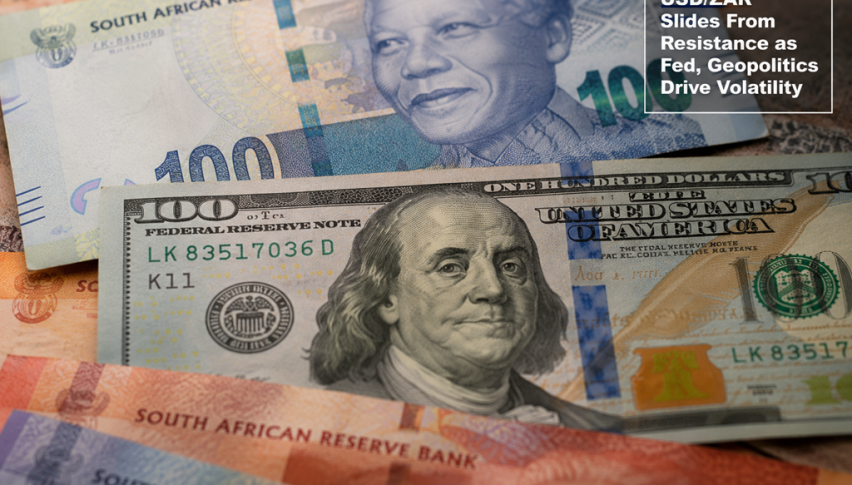
USD/ZAR is facing renewed downside pressure as disappointing US labor data and a sharp reversal in oil prices strengthen the rand, allowing the pair to approach the R16 level despite hawkish Federal Reserve signals and weak South African manufacturing figures.
Quick overview
- USD/ZAR is under renewed downside pressure as disappointing US labor data and falling oil prices strengthen the rand, pushing the pair closer to R16.
- Despite weak South African manufacturing figures, the rand remains resilient due to attractive interest rates and the South African Reserve Bank's commitment to inflation management.
- Geopolitical tensions in the Strait of Hormuz add uncertainty to global energy markets, which could impact oil prices and market risk.
- Upcoming US CPI data and Federal Reserve Chair Kevin Warsh's testimony are expected to influence the dollar's direction and the USD/ZAR exchange rate.
USD/ZAR is facing renewed downside pressure as disappointing US labor data and a sharp reversal in oil prices strengthen the rand, allowing the pair to approach the R16 level despite hawkish Federal Reserve signals and weak South African manufacturing figures.
USD/ZAR Retreats Toward R16 as Dollar Momentum Weakens
The USD/ZAR exchange rate has reversed lower after briefly climbing toward the R16.50 region, with the rand gaining support from weaker US economic data, improving commodity sentiment, and renewed demand for emerging-market currencies.
The pair initially moved higher after the Federal Reserve’s latest policy communication and the release of the FOMC minutes reinforced expectations that interest rates could remain elevated for longer. The hawkish tone boosted the US dollar broadly, pushing USD/ZAR toward R16.50 as traders priced in a more cautious approach from policymakers.
However, the dollar rally quickly lost momentum as weaker US labor market data reduced expectations for prolonged monetary tightening. Investors shifted focus toward signs that the US economy may be losing momentum, creating renewed pressure on Treasury yields and the greenback.
At the same time, the reversal in oil prices has provided additional support for the rand by easing concerns over global inflation risks and improving sentiment toward emerging markets.
Rand Gains Ground Despite Weak South African Economic Data
The South African rand has shown resilience despite domestic economic challenges, including a sharp decline in manufacturing activity.
South Africa’s May manufacturing output fell 4.3% year-on-year, highlighting continued pressure on the industrial sector as weak demand, business uncertainty, and slower economic growth weigh on production.
Despite the disappointing data, investors remain focused on South Africa’s attractive interest-rate environment and the credibility of the South African Reserve Bank’s inflation management.
SARB Governor Lesetja Kganyago has continued to emphasize the importance of maintaining inflation credibility, keeping the possibility of further policy action open if price pressures remain elevated.
Producer price inflation increased 7.8% year-on-year in May, showing that domestic cost pressures remain persistent. However, the broader economic outlook remains fragile, with the composite leading business cycle indicator declining 1.8%, pointing toward weaker growth expectations.
Manufacturing sentiment has also deteriorated, with purchasing managers highlighting softer demand conditions, although lower energy costs could provide some relief in coming months.
Oil Market Reversal Provides Additional Support for the Rand
Commodity movements remain a key driver for USD/ZAR, with the rand benefiting from improved sentiment after oil prices reversed lower.
Lower energy prices reduce inflation risks globally and support risk appetite, creating a more favorable environment for emerging-market currencies. As a commodity-linked currency, the rand often benefits when global investors rotate back into higher-yielding assets.
However, geopolitical risks remain a major factor for markets.
Renewed tensions surrounding the Strait of Hormuz have added uncertainty to global energy markets after Iran announced the closure of the strategic shipping route, while US officials maintained that maritime traffic remained active following recent military strikes.
Reports of renewed military activity near key Iranian locations, including Bandar Abbas, Qeshm, and Jask, have raised concerns that previous efforts to stabilize shipping routes could face renewed challenges.
The Strait of Hormuz remains one of the world’s most important energy corridors, making any disruption a potential catalyst for oil volatility and broader market risk.
US CPI and Warsh Testimony Could Drive the Next USD Move
Markets are now turning their attention toward the upcoming US Consumer Price Index report, which could determine the next major move for the dollar, Treasury yields, and gold.
Economists expect headline inflation to rise 0.1% monthly in June, slowing significantly from May’s 0.5% increase. Annual inflation is forecast to ease to 3.8% from 4.2%, while core inflation is expected to decline slightly to 2.8%.
Although inflation is expected to moderate, it remains well above the Federal Reserve’s 2% target, meaning policymakers are likely to maintain a cautious approach.
A weaker-than-expected CPI report could pressure the dollar lower and push Treasury yields down, creating further room for USD/ZAR downside. Conversely, stronger inflation data could revive expectations for tighter monetary policy and provide temporary support for the greenback.
Investor attention will also shift toward Federal Reserve Chair Kevin Warsh’s congressional testimony, where markets will closely monitor comments regarding inflation, economic growth, and future rate decisions.
A more hawkish message could strengthen the dollar, while a softer tone may reinforce expectations for eventual policy easing.
USD/ZAR Chart Daily – The 200 SMA Keeps the Pressure to the Downside

On the monthly chart below, USD/ZAR seems to have bottomed at the 100 SMA (green) where it found support in the last two months. Last month we saw a rebound as the Rand weakened while the Dollar gained, but buyers are facing the 50 SMA (yellow) and in April the forex pair has reversed lower again. For the larger uptrend to resume, USD/ZAR would need to push above this moving average but sellers remain in control for 2 years and the downside is also at risk.
USD/ZAR Chart Monthly – Rebounding Off the 100 SMA

USD/ZAR Outlook: Rand Strength Targets R16 Support
Despite short-term volatility, the broader outlook continues to favor rand strength as South Africa maintains one of the highest real interest-rate differentials among emerging markets.
Strong carry-trade demand, SARB policy credibility, and supportive commodity conditions remain key factors supporting the currency.
While USD/ZAR could experience temporary rebounds during periods of dollar strength, the current technical and fundamental backdrop suggests increasing downside pressure toward the R16 support zone.
A sustained break below this level could expose further losses, particularly if US economic data continues to weaken and global risk sentiment improves.
- Check out our free forex signals
- Follow the top economic events on FX Leaders economic calendar
- Trade better, discover more Forex Trading Strategies
- Open a FREE Trading Account
- Read our latest reviews on: Avatrade, Exness, HFM and XM

Related Articles

Sidebar rates

Related Posts
 Save
Save