Gold held by central banks has now accumulated a value of over $2.6 trillion.
The price of gold broke a new record on Monday, surpassing $2,265 per ounce.
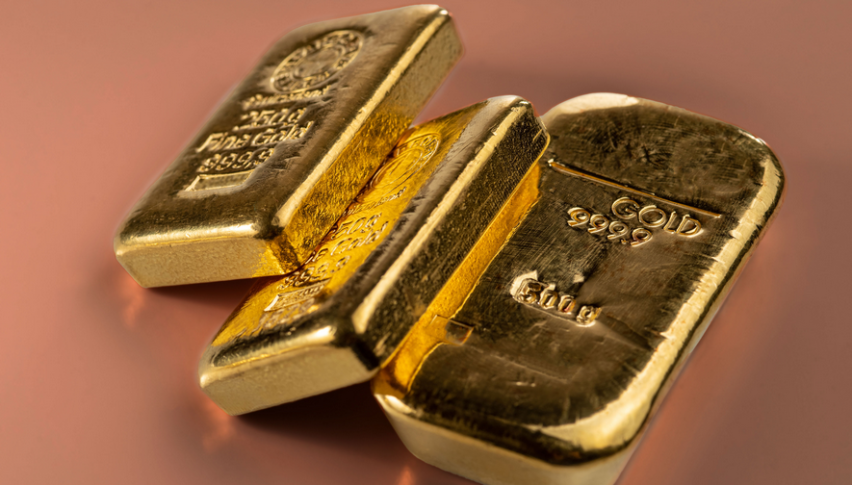
The precious metal continues its growth streak, having surpassed the $2,200 per ounce mark in recent days, and is now a focal point for savings among global issuers.
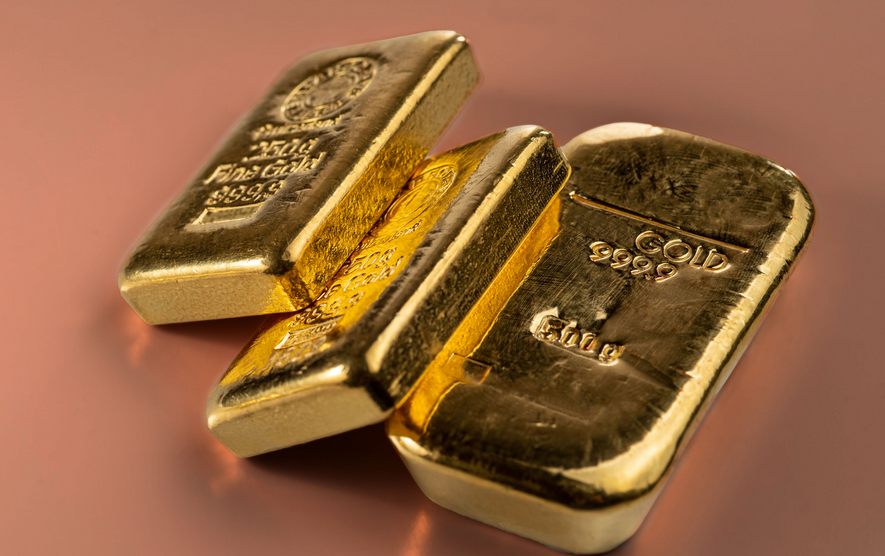
The holdings of the precious metal have surged after fourteen years of purchases by monetary authorities. Central banks are buying gold in large quantities. The latest data from the World Gold Council (WGC) reflects that monetary authorities have recorded 14 consecutive years of net acquisitions of this precious metal, bringing their holdings to over 36,700 metric tons valued at $2.52 trillion.
The last two years, moreover, have been particularly prolific. With purchases worth 1,000 metric tons in both years, all recent records have been surpassed, leading acquisitions to levels unseen since 1967.
With their purchases, major central banks are behind much of the rally that gold has experienced, becoming a source of demand that, while not considered structural, is of enormous proportions.
In fact, this is one of the main reasons why the precious metal is trading at historical highs, above $2,000 per ounce, and has not been affected by declines, as investment through exchange-traded funds (ETFs), the easiest way to expose oneself to the price of gold, has indeed decreased and could have exerted downward pressure on the price.
Monetary authorities hold 17% of all gold in circulation, second only to the tons historically dedicated to jewelry and ornaments (45%) and bullion and coins (22%).
China, Russia, Turkey, and India are the countries that have increased their reserves the most. Gold purchases have been particularly concentrated in emerging countries, while the historical gold owners, the United States, Germany, and France, have maintained their holdings unchanged.
According to Christine Lagarde, President of the European Central Bank, “there has been an increase in gold holdings, primarily in countries with geopolitical ties to Russia and China.” These concerns are not unfounded and are gaining ground in the reserves of central banks worldwide, with gold surpassing the combined value of all euro positions.
The ECB is surprisingly among the major central banks that increased their gold holdings slightly last year.
The price of gold broke a new record on Monday, surpassing $2,265 per ounce, in a context where investors anticipate a rate cut this year by the United States Federal Reserve (Fed).
- Check out our free forex signals
- Follow the top economic events on FX Leaders economic calendar
- Trade better, discover more Forex Trading Strategies
- Open a FREE Trading Account
- Read our latest reviews on: Avatrade, Exness, HFM and XM

Related Articles

Sidebar rates

Related Posts
 Save
Save