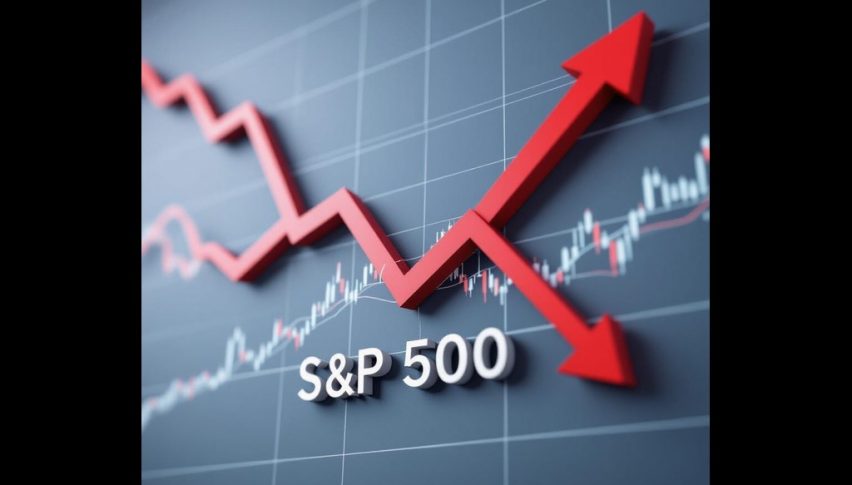
S&P 500 Falls 1.2% in Worst Trading Session Since March
A selloff in global bonds stopped a surge in stocks, with worries growing that central banks will have to tighten policy to control inflation amid high oil prices.
Quick overview
- Global bond selloff halted stock market gains, with the S&P 500 dropping 1.2% in its worst session since March.
- US 10-year yields exceeded 4.5%, while UK long-bond rates hit a 28-year high amid rising inflation concerns.
- The dollar continued to strengthen, and US crude prices closed above $105, reflecting ongoing economic tensions.
- Incoming Fed Chair Kevin Warsh faces pressure to manage inflation expectations as fiscal stimulus complicates the outlook.
A selloff in global bonds stopped a surge in stocks, with worries growing that central banks will have to tighten policy to control inflation amid high oil prices. The S&P 500 dropped 1.2 percent during the worst equity session since March. Chipmakers, which had led a recovery from fell 4%.
US 10-year yields surpassed 4.5 percent, while yields on Japan’s 30-year debt reached 4 percent for the first time. Long-bond rates in the UK reached a 28-year high due to a political crisis.
The dollar continued to rise this week. US crude closed above $105. President Donald Trump claimed he did not encourage his Chinese counterpart, Xi Jinping, with no indication of a breakthrough in the standoff over the waterway, to put pressure on Tehran to revive Hormuz. According to Xinhua, citing Foreign Minister Wang Yi, China thinks the strait should be reopened as soon as possible.
Incoming Fed Chair Kevin Warsh will be put to the test early on by a bond market alarmed by worries of rising inflation, so it’s critical that he controls expectations.
“The possibility of fiscal stimulus appears to be complicating the inflation outlook, even though central banks cannot directly address a global energy shock by raising rates,” Kourkafas observed. Nevertheless, he wagers that the Fed won’t overreact to what might turn out to be a transient circumstance.
However, traders should keep an eye out for signals from the bond market. If Treasury 10-year yields reach 5%, which typically lowers price-to-earnings ratios, bullish calls on stocks will be contested, Lori Calvasina of RBC Capital Markets told Bloomberg Television.
- Check out our free forex signals
- Follow the top economic events on FX Leaders economic calendar
- Trade better, discover more Forex Trading Strategies
- Open a FREE Trading Account
- Read our latest reviews on: Avatrade, Exness, HFM and XM

Related Articles
Sidebar rates

Related Posts
 Save
Save