Rand Surges 2% as SARB Rate Hike Expectations Shift
South African rand climbs 2% as market shifts focus on SARB's interest rate policy amidst global economic dynamics.

Quick overview
- The South African rand has surged by 2%, driven by changing expectations around the South African Reserve Bank's interest rate policy.
- Improving economic indicators, including a rise in inflation to 4%, are supporting the rand's rally amidst a resilient Johannesburg Stock Exchange.
- Despite the bullish sentiment, potential headwinds include a stronger US dollar and South Africa's ongoing structural challenges.
- Traders should remain vigilant and consider hedging strategies as external factors could quickly alter the current favorable conditions.
Live USD/ZAR Chart

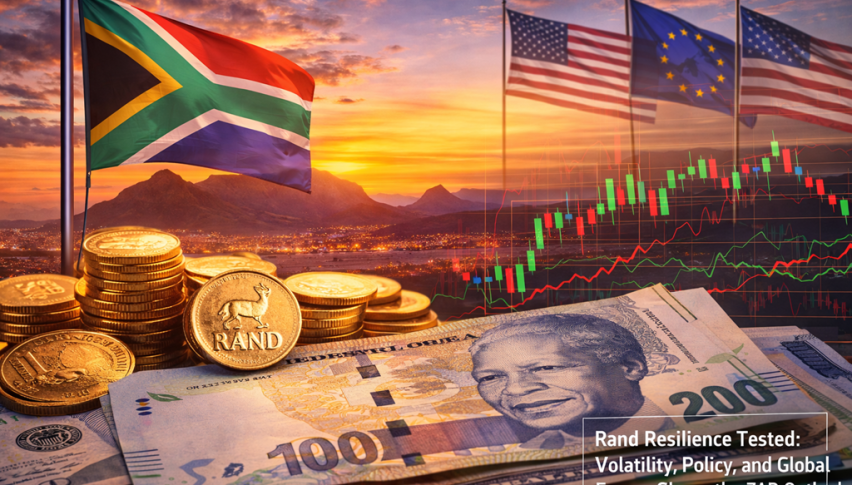
The South African rand has surged by 2%, capturing the attention of traders and investors, as shifting expectations around the South African Reserve Bank’s (SARB) interest rate policy take center stage.
Behind the Headline
The currency markets have been abuzz with activity as the South African rand rallied significantly against the US dollar. This movement is largely attributed to a confluence of domestic and international factors that have reshaped trader expectations. According to Business Tech, adjustments in interest rate expectations have played a pivotal role, as the SARB’s recent signals suggest a more dovish stance than previously anticipated. This comes amidst global economic shifts, including the US Federal Reserve’s decisions that impact emerging markets.
South Africa Market Angle
Locally, the SARB’s monetary policy decisions are critical for the rand’s performance. As reported by TradingView, the rand’s rally is further supported by improving economic indicators, such as a recent rise in inflation to 4%, which Invezz highlights could influence the SARB’s future rate decisions. Additionally, the Johannesburg Stock Exchange (JSE) has shown resilience, with traders eyeing potential opportunities in sectors that stand to benefit from a stable or appreciating rand.
Contrary Angle
While the current sentiment is bullish for the rand, it is essential to consider potential headwinds. The global economic environment remains uncertain, with the possibility of a stronger US dollar if the Federal Reserve opts for more aggressive rate hikes. Furthermore, as WeeTracker notes, South Africa’s ongoing structural challenges, including energy supply issues and fiscal constraints, could temper long-term optimism about the rand’s trajectory.
Why Traders Should Care
For traders, the current dynamics present both opportunities and risks. The rand’s appreciation provides a favorable backdrop for those holding long positions, particularly if SARB maintains its dovish tone. However, traders should remain vigilant to external shocks, especially those stemming from the US market, which could quickly alter the risk landscape. Hedging strategies and close monitoring of SARB communications will be crucial in navigating this period of heightened currency volatility.
Conclusion
In conclusion, the South African rand’s recent surge underscores the importance of closely watching central bank policies both domestically and abroad. While the current outlook appears promising, traders must remain agile and informed, ready to adjust strategies as new economic data and policy signals emerge.
- Check out our free forex signals
- Follow the top economic events on FX Leaders economic calendar
- Trade better, discover more Forex Trading Strategies
- Open a FREE Trading Account
- Read our latest reviews on: Avatrade, Exness, HFM and XM

Related Articles

Sidebar rates

Related Posts
 Save
Save