U.S. Stocks Set New Records as Iran Peace Prospects Improve
On a monthly basis, however, core PCE rose 0.2%, slowing from 0.3% in March and coming in slightly below forecasts.

Quick overview
- Major U.S. stock indexes reached record highs as investors remained optimistic about easing geopolitical tensions in the Middle East.
- Oil prices continued to decline, with West Texas Intermediate crude trading near $89 per barrel, alleviating inflation concerns.
- New inflation data showed the core Personal Consumption Expenditures index rose 3.3% year-over-year, still above the Federal Reserve's target.
- Corporate earnings reports revealed mixed results, with HP and Salesforce declining, while Marvell Technology saw a rise in stock value.
Major U.S. stock indexes climbed to new record highs on Thursday as investors remained optimistic about a potential easing of geopolitical tensions in the Middle East. At the same time, oil prices continued to retreat, with crude trading below the $100 mark.

Wall Street closed higher in a volatile session driven by renewed hopes for a diplomatic breakthrough between the United States and Iran, as well as fresh inflation data closely watched by the Federal Reserve.
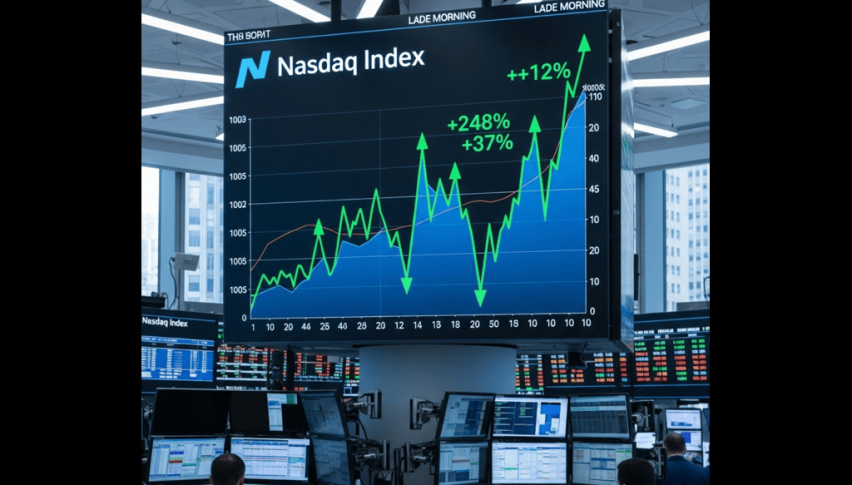
The Dow Jones Industrial Average edged up 0.05% to 50,669.77 points, while the S&P 500 gained 0.57% to close at 7,563.33 and the Nasdaq Composite advanced 0.91% to 26,917.47, with all three indexes reaching new all-time highs.
Peace agreement awaits Trump’s approval
According to Axios, Washington and Tehran reached a draft memorandum of understanding outlining a 60-day framework agreement that would extend the ceasefire and launch negotiations over Iran’s nuclear program.
Donald Trump was reportedly briefed on the details of the proposed agreement and requested additional time to review the terms before giving final approval.
The memorandum would reportedly include the reopening of commercial navigation through the Strait of Hormuz, the lifting of the U.S. naval blockade on Iranian ports and coastlines, and a commitment from Iran not to pursue nuclear weapons development.
A finalized agreement would mark the most significant diplomatic breakthrough since the conflict escalated in late February, when the United States and Israel launched joint military operations against Iran. Although a fragile ceasefire has remained in place since early April, tensions persisted throughout Thursday following new exchanges of fire in the Gulf region.
Markets also reacted to comments from Trump dismissing reports that Iran and Oman would jointly manage shipping traffic through the Strait of Hormuz under a peace arrangement. “Oman will behave like everybody else or we will have to destroy it,” Trump said, while also reiterating that Iran remains interested in reaching a deal, though current terms are still unsatisfactory.
Oil prices retreat below $100
Against that backdrop, oil prices fluctuated between gains and losses but remained below recent peaks. West Texas Intermediate crude traded near $89 per barrel, while Brent crude hovered around $94 per barrel, well below the levels above $100 reached during the height of the conflict.
The decline in energy prices helped improve investor sentiment by easing concerns about inflationary pressures and the risk of tighter monetary policy.
Inflation remains elevated despite softer monthly data
Thursday’s session also focused heavily on new U.S. inflation figures released by the Bureau of Economic Analysis.
The core Personal Consumption Expenditures (PCE) index—the Federal Reserve’s preferred inflation gauge, excluding food and energy—rose 3.3% year-over-year in April, its highest level since November 2023 and still significantly above the Fed’s 2% target.
Headline PCE inflation accelerated to 3.8% year-over-year, the highest reading since May 2023. Both figures matched market expectations.
On a monthly basis, however, core PCE rose 0.2%, slowing from 0.3% in March and coming in slightly below forecasts, offering some relief to investors concerned about persistent inflation.
The inflation data arrives as higher oil prices linked to the conflict with Iran continue to filter through the U.S. economy. According to the U.S. Energy Information Administration, gasoline prices have surged more than 50% since the conflict began in late February.
Corporate earnings remain in focus
Among individual stocks, HP fell 1.6% despite issuing profit guidance above expectations for the current quarter.
Salesforce declined 0.7% after releasing weaker-than-expected revenue guidance.
Meanwhile, Marvell Technology rose 3.1% following quarterly results that broadly met analyst expectations.
- Check out our free forex signals
- Follow the top economic events on FX Leaders economic calendar
- Trade better, discover more Forex Trading Strategies
- Open a FREE Trading Account
- Read our latest reviews on: Avatrade, Exness, HFM and XM

Related Articles


Sidebar rates

Related Posts
 Save
Save