Gold Under Pressure: High Real Yields and Robust Dollar Drive ETF Outflows
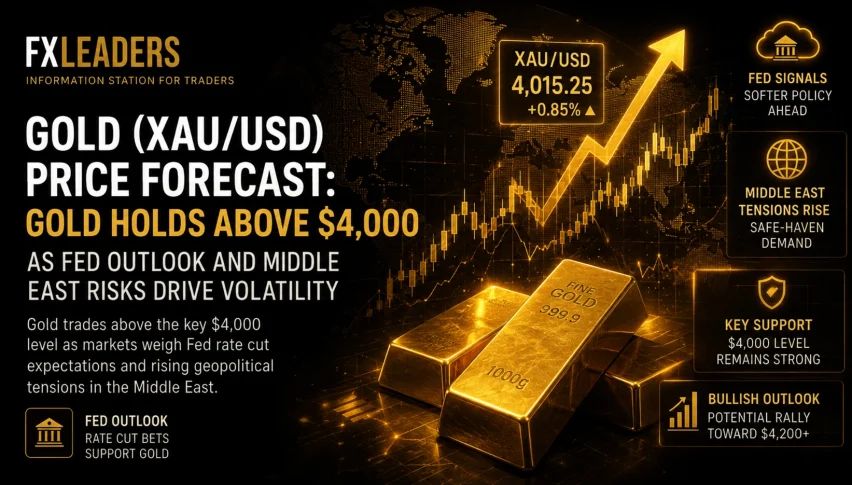
Gold futures are trading in a $4,080 range after a pullback of roughly 28% from the explosive all-time high of $5,595–$5,608 / oz reached in late January 2026.

Quick overview
- Gold futures are currently trading within a $4,080 range following a significant pullback of approximately 28% from its all-time high in January 2026.
- Key resistance is identified between $4,300 and $4,400, which must be surpassed to signal a potential trend reversal.
- The primary support level is between $3,900 and $4,000, with a decisive close below $3,900 risking deeper corrections.
- Gold's performance is influenced by inflationary pressures, geopolitical tensions, and the Federal Reserve's monetary policy.
Gold futures are trading in a $4,080 range after a pullback of roughly 28% from the explosive all-time high of $5,595–$5,608 / oz reached in late January 2026.

Gold has respected a declining parallel channel on the daily chart since its January peak
Key Resistance ($4,300 – $4,400): This zone served as major support through early spring but has now flipped into a heavy overhead resistance ceiling. A daily close above $4,400 is required to break this bearish channel and signal a structural trend reversal.
Crucial Support ($3,900 – $4,000): The $4,000 psychological level is the primary battleground. The World Gold Council’s valuation framework puts fair value right around $4,100. If sellers force a weekly close decisively below $3,900, the technical path risks opening deeper correction targets toward the $3,300–$3,400 support band.
Gold is caught in a tug-of-war between inflationary pressures, geopolitical flashpoints, and central bank monetary policy.
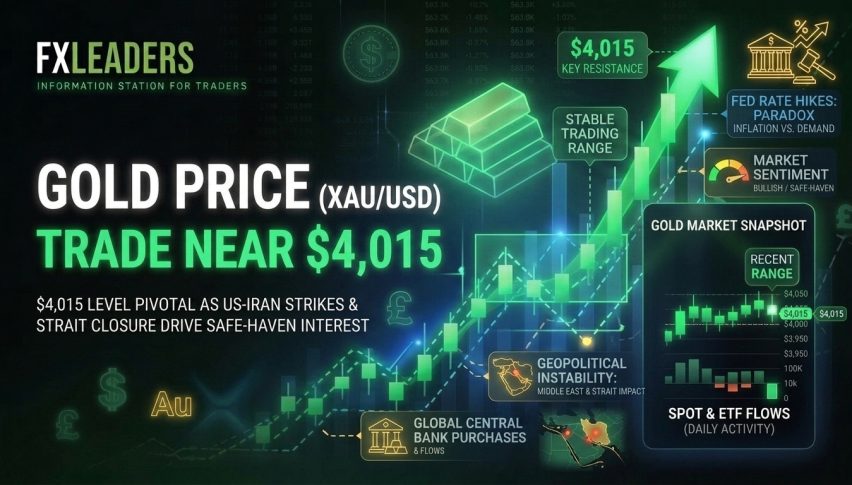
The Fed Rate Path & Inflation: The biggest weight on gold has been a hawkish shift in expectations for the Federal Reserve. However, the softer-than-expected June CPI print (released July 14) temporarily cooled immediate fears of aggressive rate hikes, prompting a short-term rally from $4,013 up to $4,080.
The Energy-Geopolitics Nexus: Geopolitical tensions—specifically US-Iran friction near the Strait of Hormuz—have caused spikes in Brent crude oil. High energy costs act as a double-edged sword: they feed into core inflation (prompting a more hawkish Fed stance, which is bearish for non-yielding gold) but also spur safe-haven bids.
USD Strength & Yields: Elevated real yields (with US 10-year yields hovering near multi-month highs) and a strong Dollar Index continue to incentivize capital flow out of non-yielding assets and gold ETFs.
- Check out our free forex signals
- Follow the top economic events on FX Leaders economic calendar
- Trade better, discover more Forex Trading Strategies
- Open a FREE Trading Account
- Read our latest reviews on: Avatrade, Exness, HFM and XM

Related Articles
Sidebar rates

Related Posts
 Save
SaveAva
