Forex Trading Scams
Last Update: May 18th, 2026
Forex trading is one of the largest financial markets in the world, attracting millions of traders daily. While legitimate Forex trading exists, the industry has also become a major target for scammers. Fraudulent brokers, fake trading “gurus,” manipulated platforms, and unrealistic profit schemes continue to trap inexperienced traders worldwide. Financial regulators such as the Commodity Futures Trading Commission (CFTC) regularly warn traders about rising Forex fraud and offshore scam operations.
This guide explains how Forex trading scams work, the warning signs to watch for, the most common scam tactics, and how beginners can protect themselves.
Reliable Broker Choice:
 | Minimum Deposit: $100 Regulated by: CBI, BVI, FSC, ASIC, FSCA, JFSA, FFAJ Crypto: Yes |
What Are Forex Trading Scams?
Forex trading scams are fraudulent schemes that pretend to offer legitimate trading opportunities but are designed to steal money from traders. They often promise guaranteed profits, risk-free trading, or fast wealth, while in reality manipulating fake platforms, blocking withdrawals, and pressuring victims to deposit more funds.
Many operate through unregulated offshore brokers and social media marketing, as warned by regulators like the CFTC.
Reliable Broker Choice:
 | Minimum Deposit: $10 Regulated by: ASIC, BaFin, CMA, CySEC, DFSA, FCA, SCB 73-89 % of retail investor accounts lose money when trading CFDs Crypto Yes (only CFDs) |
Why Forex Trading Attracts Scammers
Several factors make Forex attractive to fraudsters:
| Factor | Why It Attracts Scams |
| Global market | Difficult for regulators to monitor worldwide |
| High leverage | Large gains can be falsely advertised |
| Beginner interest | Many newcomers lack experience |
| Social media hype | Influencers can easily promote fake success |
| 24-hour market | Constant trading opportunities attract impulsive traders |
| Fast deposits | Crypto payments make scams harder to trace |
The decentralized nature of Forex also allows fake brokers to operate from offshore jurisdictions with little oversight.
Reliable Broker Choice:
 | Minimum Deposit: $25 Regulated by: FSC, MISA Crypto: Yes |
Common Types of Forex Trading Scams
Forex trading scams come in many forms, ranging from fake brokers and manipulated trading platforms to social media investment schemes and fraudulent signal providers. While each scam operates differently, they all share one common goal – convincing traders to deposit money through false promises, fake profits, or emotional manipulation. Beginners are often the primary targets because scammers exploit limited trading experience, urgency, and the desire for quick financial success. Understanding the most common types of Forex scams is one of the most important steps traders can take to protect themselves and avoid costly mistakes in the financial markets.
Reliable Broker Choice:
 | Minimum Deposit: $10 Regulated by: Globally regulated with multiple licences from respected financial regulators. Crypto: Yes |
Fake Forex Brokers
Fake Forex brokers are among the most common and dangerous scams in the online trading industry. These fraudulent companies are designed to appear legitimate by using professional-looking websites, trading platforms, mobile apps, and fake customer support teams. Some even copy the names, logos, or license numbers of real regulated brokers to trick traders into believing they are dealing with a trusted financial company. Beginners are often targeted through online advertisements, social media promotions, and promises of fast profits with little risk.
Once traders deposit funds, the scam broker may begin manipulating the trading experience to encourage larger deposits or prevent withdrawals. In many cases, victims believe they are making profits because the platform displays fake account balances and successful trades that are completely controlled by the scam operation.
Common Tactics Include:
- Blocking withdrawals
- Manipulating trade prices
- Showing fake profits
- Demanding “tax” or “unlock” fees
- Suddenly shutting down accounts
These tactics are designed to keep victims depositing money while delaying any attempt to withdraw funds. Many traders only realize they have been scammed once communication stops or withdrawal requests are repeatedly denied.
Warning Signs:
- No valid regulation
- No company address
- Crypto-only deposits
- Extremely high leverage offers
- Guaranteed returns
- Pressure to deposit quickly
Recognizing these warning signs early can help traders avoid significant financial losses. Before opening an account, traders should always verify the broker’s license directly through official financial regulators and research independent reviews and withdrawal experiences.
Reliable Broker Choice:
 | Minimum Deposit: $50 Regulated by: CySEC, ASIC, FSA, SVG, FSCA Crypto: Yes |
Signal Seller Scams
Signal seller scams involve individuals or groups claiming they can accurately predict winning Forex trades on behalf of traders. These services usually operate through social media, messaging apps, or paid subscription groups where “signals” are shared for traders to copy. While legitimate trading analysis services do exist, many scammers exaggerate their success rates or completely fake their trading performance to attract paying members.
Scammers often target beginners who are looking for an easier way to make money without fully understanding how Forex trading works. They use flashy marketing, luxury lifestyle content, and manipulated screenshots to create the illusion of consistent profitability and financial success.
They Often Advertise:
- “95% win rate”
- “Guaranteed daily profits”
- VIP trading groups
- Luxury lifestyle content
In reality, many signal sellers make more money selling subscriptions than they do from actual trading. Some even delete losing trades from their groups or manipulate screenshots to make their performance appear better than it really is.
Common Platforms Used:
- Telegram
- TikTok
- Discord
These platforms allow scammers to quickly reach large audiences and create private communities that appear exclusive and profitable.
Red Flags:
- No verified track record
- Constant lifestyle flexing
- Pressure to join quickly
- Claims of “secret algorithms.”
Traders should always remain cautious of anyone promising easy profits or claiming to have a guaranteed trading system. A legitimate educator or analyst will focus on realistic expectations, risk management, and transparent results rather than emotional marketing and unrealistic promises.
Reliable Broker Choice:
 | Minimum Deposit: $5 Regulated by: FSC Crypto: Yes (not available under CySEC (EU) or DFSA (MENA). |
Ponzi and Pyramid Schemes
Ponzi and pyramid schemes are fraudulent investment operations that use money from new participants to pay fake profits to earlier investors. In Forex trading scams, these schemes are often disguised as investment clubs, managed trading communities, or passive income opportunities. Victims are encouraged to invest funds with promises of steady monthly returns and minimal risk.
At first, the scheme may appear successful because some investors receive small payouts, which creates trust and encourages larger deposits. Scammers also use fake dashboards, fabricated account growth, and manipulated withdrawal screenshots to make the operation seem legitimate.
Victims Are Shown:
- Fake account growth
- Fake withdrawal screenshots
- Consistent monthly profits
As long as new investors continue joining, the scam can continue operating. However, once recruitment slows down or too many people attempt to withdraw funds, the scheme eventually collapses, leaving most participants with major losses.
Research into online investment fraud shows that many modern Ponzi schemes increasingly use cryptocurrency and online trading platforms to appear more advanced and trustworthy.
Warning Signs:
- Guaranteed monthly returns
- Referral commissions
- “Passive income” promises
- Little explanation of actual trading
Legitimate trading involves real market risk and cannot guarantee fixed monthly profits. Traders should be especially cautious of any investment opportunity that focuses more on recruiting new members than explaining how trading profits are actually generated.
Reliable Broker Choice:
 | Minimum Deposit: $0 Regulated by: FSCA, FSA, FCA, FSC, CMA Crypto: Yes |
Managed Account Scams
Managed account scams occur when someone offers to trade Forex on behalf of another person in exchange for a percentage of the profits or an upfront investment. These scammers often present themselves as experienced professional traders with impressive trading histories, luxury lifestyles, and claims of generating high monthly returns for clients.
The scam usually begins with promises of “hands-free” income, where the victim simply deposits money while the supposed expert handles all the trading activity. In some cases, victims are asked to transfer money directly to the scammer, while others are persuaded to provide access to their personal trading accounts.
The Scammer Promises:
- Professional account management
- High monthly returns
- “Hands-free” income
Once access or funds are provided, the fraudster may begin manipulating account statements, showing fake profits, or requesting additional deposits to “increase earnings.”
The Fraudster May:
- Steal the funds
- Fake trading results
- Intentionally lose trades
- Disappear completely
Legitimate account managers are usually licensed, regulated, and transparent about the risks involved in trading. Traders should never hand over account access or investment funds without carefully verifying credentials and regulations through trusted financial authorities.
Reliable Broker Choice:
 | Minimum Deposit: 20 USD (Cent) Regulated by: FSA, FSC, FSCA, CMA, ASIC Crypto: Yes |
Romance and Social Media Investment Scams
Romance and social media investment scams have become increasingly common in the Forex industry, especially through messaging apps and social networking platforms. These scams often begin with casual conversations or fake friendships that slowly develop into emotional relationships. The scammer spends time building trust before eventually introducing Forex trading or cryptocurrency investment opportunities. Victims are commonly approached through:
- Dating apps
- Telegram
- “Wrong number” messages
Once trust is established, the scammer encourages the victim to join a trading platform or investment program that appears legitimate. Initially, the platform may display fake profits to create excitement and confidence. Victims are then encouraged to deposit larger amounts of money over time.
Eventually, when withdrawal requests are made, the scammer or fake platform demands additional payments, taxes, or verification fees. In many cases, communication suddenly stops once the victim can no longer send money.
Common Tactics:
- Emotional manipulation
- Fake relationships
- Encouraging large deposits
- Fake profits to build confidence
These scams are highly manipulative because they exploit emotions rather than just financial greed. Traders should remain cautious when receiving investment advice from people they meet online, especially if the conversation quickly shifts toward trading or investment opportunities.
Reliable Broker Choice:
 | Minimum Deposit: $10 Regulated by: FSCA, FSC, FSA Crypto: Yes |
Forex Robot and Trading Bot Scams
Forex robot and trading bot scams involve automated software programs that claim to trade the markets and generate profits without human involvement. These systems are often marketed as advanced AI-powered tools capable of making profitable trades 24 hours a day with little or no risk.
Scammers promote these systems as an easy way for beginners to earn passive income without learning how Forex trading actually works.
Scammers Often Advertise:
- “Passive income”
- “100% automated profits”
- “AI-powered trading”
While some legitimate automated trading tools do exist, many scam robots rely on fake performance statistics and misleading marketing. Some only show successful historical results while hiding real trading losses.
Many Scam Bots:
- Use fake performance data
- Manipulate historical results
- Fail in live trading
- Exist only to sell subscriptions
In some cases, the software may not trade at all and simply serves as a tool to collect subscription fees from unsuspecting traders. Financial regulators frequently warn traders to avoid any automated system promising guaranteed profits or risk-free trading.
Reliable Broker Choice:
 | Minimum Deposit: $5 Regulated by: FSC, CySEC, ASIC Crypto: Yes |
Recovery Scams
Recovery scams target individuals who have already lost money to a Forex or cryptocurrency scam. These fraudsters pretend to offer professional recovery services and claim they can help victims recover stolen funds, trace crypto transactions, or take legal action against scam brokers.
Victims are often contacted through emails, social media, or messaging platforms shortly after reporting a scam online. The fraudsters may pretend to be lawyers, cybersecurity experts, government officials, or financial recovery specialists.
Fraudsters Claim They Can:
- Recover stolen money
- Trace crypto transactions
- Hack scam brokers
- Provide legal recovery services
To begin the “recovery process,” victims are usually asked to pay upfront fees for investigations, legal documents, taxes, or administrative costs. Once payment is made, the scammers either disappear or continue requesting additional fees.
Recovery scams are particularly harmful because they target people who are already financially and emotionally vulnerable after losing money in a previous scam. Traders should be extremely cautious of anyone promising guaranteed fund recovery, especially when upfront payments are requested before any real assistance is provided.
Reliable Broker Choice:
| Minimum Deposit: $100 Regulated by: CBI, BVI, FSC, ASIC, FSCA, JFSA, FFAJ Crypto: Yes |
Biggest Red Fags of a Forex Scam
Forex trading scams often reveal themselves through clear warning signs that traders should never ignore. Scammers typically rely on unrealistic promises, emotional pressure, and misleading marketing to convince victims to deposit money quickly without proper research. From guaranteed profits and fake trading results to withdrawal restrictions and unregulated brokers, these red flags are designed to create false trust and urgency. Learning how to recognize the biggest warning signs of a Forex scam can help traders avoid financial losses, protect their personal information, and make safer decisions when choosing trading platforms or investment opportunities.
Guaranteed Profits
One of the biggest warning signs of a Forex trading scam is the promise of guaranteed profits. No legitimate broker, trader, or investment company can guarantee success in the Forex market because prices constantly change based on global economic events, political developments, and market sentiment. Even experienced professional traders experience losses.
Scammers often use guaranteed-profit claims to attract beginners who may not fully understand the risks involved in trading. If someone claims you cannot lose money or promises consistent returns with no risk, it should immediately raise concerns.
Unrealistic Returns
Promises of extremely high returns in a short period are another major red flag in Forex trading. Scammers commonly advertise unrealistic profits such as “double your money,” “10% daily profits,” or “risk-free income” to lure victims into depositing funds quickly. In reality, successful trading requires patience, risk management, and experience, and even professional traders do not generate massive profits consistently.
These exaggerated claims are designed to create excitement and greed while hiding the true risks involved in trading financial markets.
Pressure Tactics
Forex scammers often rely on pressure tactics to stop people from thinking carefully or doing proper research. They may claim that an investment opportunity is only available for a limited time or say that “VIP spots are almost full” to create urgency. Some scammers aggressively push victims to deposit money immediately before they “miss out” on huge profits.
Legitimate brokers and trading companies do not pressure traders into making rushed financial decisions. Any company or individual that demands immediate action should be approached with caution.
Unregulated Brokers
Trading with an unregulated broker significantly increases the risk of fraud and financial loss. Regulated brokers must follow strict financial rules designed to protect client funds, maintain transparency, and operate fairly. Scam brokers often pretend to have licenses or provide fake registration numbers to appear legitimate.
Traders should always verify a broker’s regulation directly through official financial regulator websites rather than trusting claims made on the broker’s website. Choosing a properly regulated broker is one of the most important steps in avoiding Forex scams.
Crypto-Only Payments
Many Forex scams request deposits exclusively through cryptocurrencies such as Bitcoin, USDT, or Ethereum. While cryptocurrency itself is legitimate, scammers prefer crypto payments because transactions are usually irreversible and difficult to trace. Unlike traditional bank transfers or credit card payments, victims often have very limited recovery options once crypto funds are sent.
Scam brokers may also pressure traders to avoid secure payment methods and insist on using crypto for “faster processing” or “higher profits.” Traders should be cautious when dealing with platforms that only accept cryptocurrency deposits.
Fake Lifestyle Marketing
Many Forex scammers use luxury lifestyle marketing to create a false sense of success and credibility. Social media profiles filled with expensive cars, designer watches, private jets, luxury vacations, and stacks of cash are commonly used to attract inexperienced traders. Scammers often present these images as proof of trading success, even though the content may be rented, staged, or completely fake.
The goal is to create emotional excitement and convince people that Forex trading offers quick and easy wealth. Legitimate professional traders usually focus more on education, risk management, and long-term consistency rather than showing off luxury lifestyles online.
Withdrawal Problems
Withdrawal issues are one of the clearest signs of a Forex scam. Many fraudulent brokers allow traders to deposit money easily, but create problems when withdrawal requests are submitted. Some brokers delay withdrawals for weeks, demand additional “processing” or “tax” fees, or suddenly stop responding to messages entirely.
Others may freeze accounts or claim that traders violated hidden terms and conditions. Legitimate brokers process withdrawals according to clear policies and do not prevent clients from accessing their own funds without valid reasons. Any difficulty withdrawing money should be treated as a serious warning sign.
Reliable Broker Choice:
| Minimum Deposit: $10 Regulated by: ASIC, BaFin, CMA, CySEC, DFSA, FCA, SCB 73-89 % of retail investor accounts lose money when trading CFDs Crypto Yes (only CFDs) |
How Scammers Manipulate Victims
Forex scammers use psychological tactics, including:
| Manipulation Tactic | Purpose |
| Fear of Missing Out | Push quick deposits |
| Fake profits | Build trust |
| Social proof | Use fake testimonials |
| Authority | Pretend to be experts |
| Emotional manipulation | Build relationships |
| Urgency | Prevent research |
Reliable Broker Choice:
| Minimum Deposit: $25 Regulated by: FSC, MISA Crypto: Yes |
How to Verify a Legitimate Forex Broker
Choosing a legitimate Forex broker is one of the most important steps in protecting yourself from online trading scams. With thousands of brokers available worldwide, it can sometimes be difficult for beginners to distinguish between regulated trading companies and fraudulent operations designed to steal client funds. Scam brokers often use professional websites, fake licenses, and aggressive marketing to appear trustworthy, making careful research essential before depositing any money.
By understanding how to verify regulations, research broker reputation, and identify warning signs, traders can significantly reduce the risk of falling victim to Forex fraud and make safer trading decisions.
Reliable Broker Choice:
| Minimum Deposit: $10 Regulated by: Globally regulated with multiple licences from respected financial regulators. Crypto: Yes |
Check Regulation
One of the most effective ways to verify whether a Forex broker is legitimate is by checking its regulatory status. Regulated brokers are required to follow strict financial rules designed to protect client funds, maintain transparent business practices, and provide fair trading conditions. Financial regulators monitor brokers to ensure they operate legally and meet industry standards. Scam brokers, on the other hand, often operate without proper oversight or use fake license information to appear trustworthy. Legitimate brokers are commonly regulated by respected authorities such as:
- Financial Conduct Authority (FCA)
- Australian Securities and Investments Commission (ASIC)
- Cyprus Securities and Exchange Commission (CySEC)
- Commodity Futures Trading Commission (CFTC)
Traders should never rely solely on claims made on a broker’s website. Instead, always verify the broker’s license number directly through the official website of the relevant financial regulator. This helps confirm whether the broker is genuinely authorized to provide trading services and reduces the risk of dealing with fraudulent companies.
Reliable Broker Choice:
| Minimum Deposit: $50 Regulated by: CySEC, ASIC, FSA, SVG, FSCA Crypto: Yes |
Research Reviews Carefully
Researching broker reviews and trader experiences is another important step when evaluating a Forex broker. While online reviews can provide useful insights, traders should approach them carefully because both fake positive reviews and fake negative reviews exist. Scam brokers often pay for misleading testimonials or create fake success stories to build credibility and attract new clients. When researching a broker, traders should specifically look for recurring complaints and warning signs such as:
- Withdrawal complaints
- Account blocking reports
- Fake pricing accusations
A few negative reviews are normal for most companies, but repeated complaints about blocked withdrawals, poor customer support, or suspicious trading activity should be treated seriously. Traders should also compare reviews across multiple independent platforms rather than relying on testimonials displayed directly on the broker’s website.
Reliable Broker Choice:
| Minimum Deposit: $5 Regulated by: FSC Crypto: Yes (not available under CySEC (EU) or DFSA (MENA). |
Test Withdrawals Early
Testing the withdrawal process early is one of the smartest ways to identify potential problems with a Forex broker before investing larger amounts of money. Many scam brokers make the deposit process quick and easy, but create difficulties once clients attempt to withdraw their funds. By starting with a smaller deposit, traders can reduce their financial risk while evaluating how the broker handles transactions and customer requests. Before depositing large amounts:
- Deposit a small amount
- Trade lightly
- Attempt a withdrawal
A legitimate broker should process withdrawals within a reasonable timeframe and provide clear communication throughout the process. If the broker delays payments, requests unexpected fees, or ignores withdrawal requests, these are serious warning signs that the platform may not be trustworthy.
Reliable Broker Choice:
| Minimum Deposit: $0 Regulated by: FSCA, FSA, FCA, FSC, CMA Crypto: Yes |
Avoid Unrealistic Promotions
Unrealistic promotions are commonly used by scam brokers to attract inexperienced traders. These offers are designed to create excitement and encourage quick deposits without giving traders enough time to properly research the company. While legitimate brokers may offer occasional promotions or bonuses, they usually come with transparent terms and realistic conditions. Traders should be especially cautious of offers such as:
- Huge deposit bonuses
- Guaranteed returns
- “Risk-free” trading claims
In many cases, scam brokers use these promotions to trap clients into difficult withdrawal conditions or encourage excessive trading activity. Real Forex trading always involves risk, and no broker can honestly guarantee profits or eliminate the possibility of losses. Traders should focus on regulation, transparency, and reputation rather than flashy marketing promises.
Reliable Broker Choice:
| Minimum Deposit: 20 USD (Cent) Regulated by: FSA, FSC, FSCA, CMA, ASIC Crypto: Yes |
Real-World Scam Trends
Modern Forex scams increasingly involve:
- AI-generated marketing
- Deepfake videos
- Fake mobile apps
- Telegram investment groups
- Romance scams
- Influencer promotions
Cybersecurity experts note that scammers now use AI-generated content and professional-looking websites to appear legitimate.
Reliable Broker Choice:
| Minimum Deposit: $10 Regulated by: FSCA, FSC, FSA Crypto: Yes |
What To Do If You’ve Been Scammed
Discovering that you have been targeted by a Forex trading scam can be financially and emotionally stressful, but taking the right steps quickly may help limit further losses and improve the chances of reporting the fraud effectively. Many victims feel pressured, embarrassed, or unsure of what to do next, which scammers often exploit to continue the deception. Understanding how to respond after being scammed is important for protecting your remaining funds, securing personal information, and avoiding additional fraud, such as recovery scams that specifically target previous victims.
Stop Sending Money
If you realize you’ve been scammed, stop sending any additional funds immediately. Scammers often pressure victims into paying so-called “release fees,” “taxes,” or “verification costs.” These are fake charges designed only to extract more money. Legitimate institutions will never ask for extra payments to release your funds.
Save Evidence
Preserve every piece of communication and transaction detail related to the scam. This includes screenshots, emails, wallet addresses, payment receipts, chat messages, and any account activity logs. Keeping clear evidence is essential for reporting the fraud and increasing the chances of investigation or recovery.
Contact Your Bank
Reach out to your bank or card provider as soon as possible. In some cases, they may be able to block or reverse recent transactions, especially if reported quickly. Explain that you have been a victim of fraud and provide all relevant details to support your claim.
Report the Scam
Report the incident to the appropriate authorities, including financial regulators, local cybercrime units, and consumer protection agencies. Filing a report helps authorities track scam networks and may assist in preventing others from becoming victims.
Beware of Recovery Scams
Be cautious of anyone claiming they can recover your lost funds for an upfront fee. These “recovery services” are often scams themselves, targeting already vulnerable victims. Legitimate recovery processes do not require advance payments from you.
Reliable Broker Choice:
| Minimum Deposit: $5 Regulated by: FSC, CySEC, ASIC Crypto: Yes |
How Beginners Can Stay Safe
Beginners can stay safe by taking time to research any platform before investing, using only regulated brokers, and avoiding offers that promise guaranteed or unusually high returns. It’s important to start small, verify all company credentials, and never share personal or financial details with untrusted sources. Staying cautious, asking questions, and learning basic scam warning signs can significantly reduce the risk of falling victim to fraud.
Use Regulated Brokers
Always prioritize brokers that are properly regulated by recognized financial authorities. Regulation ensures transparency, client fund protection, and accountability, helping you avoid unlicensed or fraudulent platforms.
Start Small
Begin with a small initial deposit to reduce risk while you learn how the market works. This allows you to gain experience without exposing yourself to significant financial loss.
Learn Before Trading
Take time to understand the basics of trading before investing real money. Use demo accounts and educational resources to practice strategies and build confidence in a risk-free environment.
Ignore “Guaranteed” Results
Be cautious of anyone promising guaranteed profits or risk-free returns. Real trading involves uncertainty, and no outcome can ever be fully guaranteed.
Protect Personal Information
Keep your passwords, account details, and devices secure at all times. Never share remote access to your computer or sensitive financial information with unverified individuals.
Be Skeptical on Social Media
Approach social media trading “success stories” with caution. Many “Forex millionaire” claims are marketing tactics designed to attract followers or promote paid services rather than provide genuine trading insight.
Reliable Broker Choice:
| Minimum Deposit: $100 Regulated by: CBI, BVI, FSC, ASIC, FSCA, JFSA, FFAJ Crypto: Yes |
Is Forex Trading Itself a Scam?
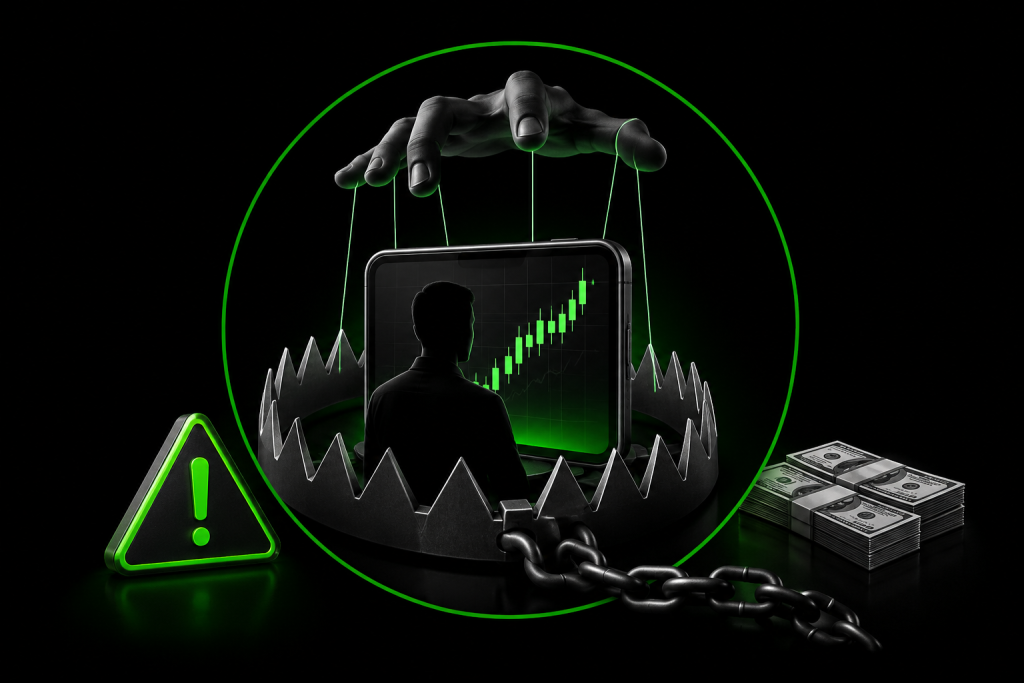
Forex trading itself is not a scam, but a legitimate global financial market where currencies are bought and sold by major institutions such as banks, governments, hedge funds, corporations, and retail traders. It operates on real-time supply and demand, making it a fundamental part of the global economy rather than a fraudulent system. However, while the market is genuine, it is often surrounded by dishonest actors who exploit inexperienced traders through misleading promises and deceptive schemes. The key distinction is that legitimate Forex trading always involves real market risk and no guaranteed outcomes, whereas Forex scams typically rely on claims of easy, risk-free, or guaranteed profits to lure victims.
Reliable Broker Choice:
| Minimum Deposit: $10 Regulated by: ASIC, BaFin, CMA, CySEC, DFSA, FCA, SCB 73-89 % of retail investor accounts lose money when trading CFDs Crypto Yes (only CFDs) |
In Conclusion
Forex scams are constantly evolving through social media, fake brokers, and misleading promises, with beginners being the most vulnerable. Stay safe by using regulated brokers, avoiding guaranteed-profit claims, verifying information, starting small, and treating trading as a skill. If it sounds too good to be true, it usually is.
You might also like:
- AvaTrade Review
- Pepperstone Review
- Elev8 Review
- Exness Review
- FISG Review
- XM Review
- HFM Review
- PU Prime Review
- IUX Review
- FBS Review
Frequently Asked Questions
What are Forex trading scams?
Forex trading scams are fake schemes that pretend to offer trading opportunities but are designed to steal money through false promises and manipulated platforms.
Is Forex trading itself a scam?
No. Forex trading is a legitimate global financial market, but scammers operate within the industry, targeting inexperienced traders.
Why do Forex scams promise guaranteed profits?
Scammers use guaranteed profits to attract beginners, but real trading always involves risk, and no outcomes can be guaranteed.
How do fake Forex brokers trick people?
They use professional-looking websites, fake licenses, and fake trading dashboards, then block withdrawals or disappear after receiving deposits.
What are signal seller scams?
These are services that claim to provide winning trade signals, often exaggerating success rates or using fake results to sell subscriptions.
What is a Ponzi or pyramid Forex scheme?
It’s a scam where new investors’ money is used to pay fake returns to earlier investors, eventually collapsing when new deposits slow down.
How do managed account scams work?
Scammers offer to trade for you, but often steal funds, fake profits, or manipulate accounts while pretending to be professional traders.
Why are crypto-only payments a warning sign?
Crypto payments are hard to trace and irreversible, making it easier for scammers to take money without risk of chargebacks.
What should I do if I’ve been scammed?
Stop sending money, save all evidence, contact your bank, report the scam, and avoid recovery scams asking for upfront fees.
How can beginners stay safe in Forex trading?
Use regulated brokers, start small, verify everything, avoid guaranteed-profit claims, and treat trading as a skill, not a quick way to get rich.
Instrument guide articles:
Intro to Forex Trading Scams 1
 ABOUT THE AUTHOR
See More
ABOUT THE AUTHOR
See More


Sidebar rates

