Argentine bonds surge and the country risk plummets to a nearly 30-month low
The index measured by JPMorgan Bank drops by 3.3% (56 points) to 1,579 points, its lowest level since late September 2021.

The trend follows President Javier Milei’s call for dialogue and fiscal discipline during the opening of the ordinary sessions on Friday night.
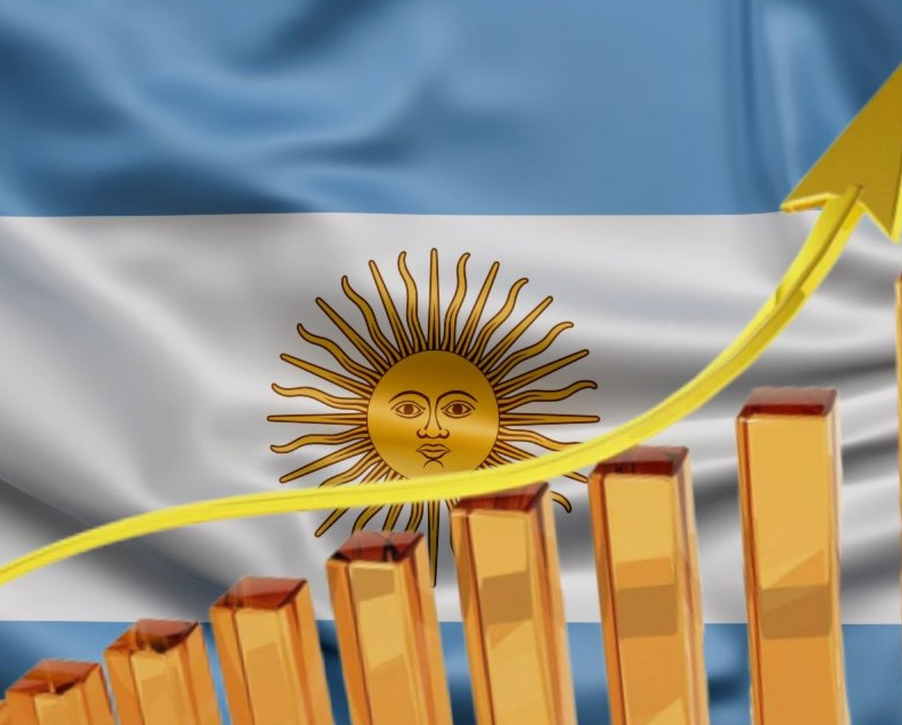
Argentine country risk plunges on Monday, March 4th, to nearly 30-month lows due to the surge in dollar-denominated sovereign bonds, both in the U.S. and the local stock market, in response to President Javier Milei’s call for dialogue during the opening of legislative sessions on Friday night.
The index measured by JPMorgan Bank drops by 3.3% (56 points) to 1,579 points, its lowest level since late September 2021.
In this context, dollar-denominated sovereign bonds are experiencing strong increases, led by the Global 2029 (+3.9%), the Bonar 2035 (+3.7%), and the Global 2046 (+3.6%). Year-to-date, Argentine bonds have accumulated gains of up to 30%.
Milei reiterated in his speech that he ‘will not backtrack’ on his liberal policies and that he will send a new package of laws to Congress, while inviting governors and former presidents to sign a ‘social pact’ to advance the reforms he considers necessary.
All eyes will be on the government’s ability not to disrupt the channels while the ‘dialogue-oriented’ opposition accepts approaching the government’s proposal.
On the exchange front, the Contado con Liquidación (CCL) and the MEP dollar both fell. Financial dollars are at their lowest real value since August 2019. Without a doubt, a surprise, as it must be the only price in the economy that did not rise in the summer.
Private analysts estimate an inflation rate for February around 16%, compared to the 20.6% recorded in January, with an annualized rate above 250%, positioning Argentina at the top of the global ranking in this regard.
In Argentina, the presence of multiple exchange rates is primarily a consequence of government policies aimed at controlling currency flows and managing the country’s economic challenges. The official exchange rate, set by the government, is typically lower than the market demand for dollars.
This official rate is subject to government intervention and is often used for specific transactions such as imports, exports, and government operations.
However, restrictions on access to foreign currency and capital controls have led to the emergence of informal markets where individuals and businesses can buy and sell dollars at higher rates, known as the “blue dollar” or “Contado con Liquidación/MEP” rates.
- Check out our free forex signals
- Follow the top economic events on FX Leaders economic calendar
- Trade better, discover more Forex Trading Strategies
- Open a FREE Trading Account
- Read our latest reviews on: Avatrade, Exness, HFM and XM

Related Articles

Sidebar rates

Related Posts
 Save
Save