Crude Oil Surges as Iran Tensions Escalate, S&P 500 Futures Slide
Quick overview
- Traders are cautious due to escalating US-Iran tensions, impacting market optimism.
- Crude oil prices surged by 5.7% to $95.50 per barrel following US Navy actions against an Iranian ship.
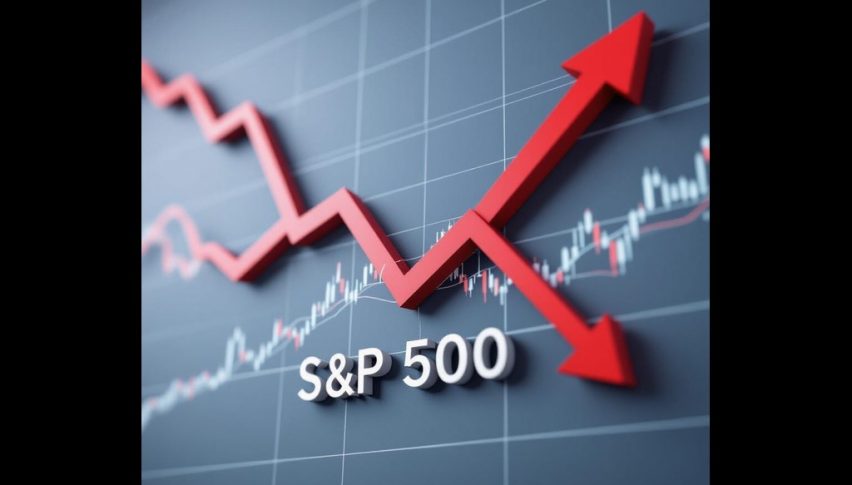
- US equity index futures fell, with the S&P 500 futures dropping 0.6% amid fears of rising inflation from oil prices.
- Negotiations between the US and Iran are uncertain as a ceasefire is set to expire, with both sides expressing conflicting views.
Traders became cautious following a flare-up in US-Iran tensions over the weekend, reducing optimism that tensions in the Middle East were abating.
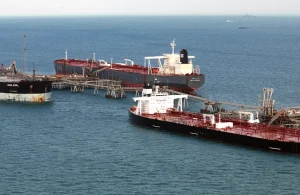
Crude Oil surged, and US equity index futures fell. After the US Navy apprehended an Iranian ship during a turbulent weekend that saw Tehran firing at ships and reimposing restrictions in the Strait of Hormuz, Brent increased by 5.7 percent to $95.50 per barrel.
The underlying index closed at a record high on Friday, following Iran’s earlier announcement that the crucial waterway was “completely open,” causing the S&P 500 futures to drop 0.6%. Contracts predicted that when trading begins, European shares will drop by 1.2 percent.
Treasury bonds fell across the curve amid fears that rising oil prices would fuel inflation. The dollar, in anticipation of an end to the war, the preferred safe haven during the conflict, increased slightly after declining over the previous three weeks. Nevertheless, the majority of Monday’s comparatively small changes brought markets back to their levels from the previous week, when hopes for a diplomatic solution had increased.
Market volatility is threatened by new strains and disruptions in the Strait of Hormuz, following a widespread unwinding of war-driven risk premiums in recent weeks. After initial negotiations in Islamabad failed, the focus is now on whether the US and Iran can resume negotiations to lower tensions and reopen the crucial waterway. On Tuesday, the two-week ceasefire is set to end.
President Donald Trump and Iranian officials expressed divergent opinions about the next phase of the conflict with the ceasefire scheduled to expire in the next few days, , raising doubts about whether the two sides would hold peace negotiations.
While the US maintains a naval blockade, Iran hinted that it might not participate in a second round of negotiations this week, hardening a standoff that had seemed to ease on Friday and spurring a widespread increase in stock prices. By Sunday morning, Trump, who claimed on Friday that a deal with Iran was all but agreed, had threatened to demolish all of Iran’s bridges and power plants if talks broke down.
- Check out our free forex signals
- Follow the top economic events on FX Leaders economic calendar
- Trade better, discover more Forex Trading Strategies
- Open a FREE Trading Account
- Read our latest reviews on: Avatrade, Exness, HFM and XM

Related Articles

Sidebar rates

Related Posts
 Save
Save