Wall Street Opens Higher, Lifted by Semiconductor Stocks
The main Wall Street indexes erased early losses and closed slightly higher on Monday, May 11, supported by gains in semiconductor stocks.

Quick overview
- Tensions in the Middle East have led to a rise in oil prices, impacting market sentiment on Wall Street.
- Major U.S. stock indexes closed slightly higher, buoyed by gains in semiconductor stocks despite geopolitical concerns.
- Donald Trump criticized Iran's ceasefire proposal, calling it weak and unacceptable, while oil prices continued to climb.
- Investors are awaiting key U.S. inflation data that could reflect the effects of rising oil prices on the economy.
Tensions in the Middle East pushed oil prices higher, while Wall Street reacted cautiously to Donald Trump’s latest remarks, even as major indexes remained near record highs.
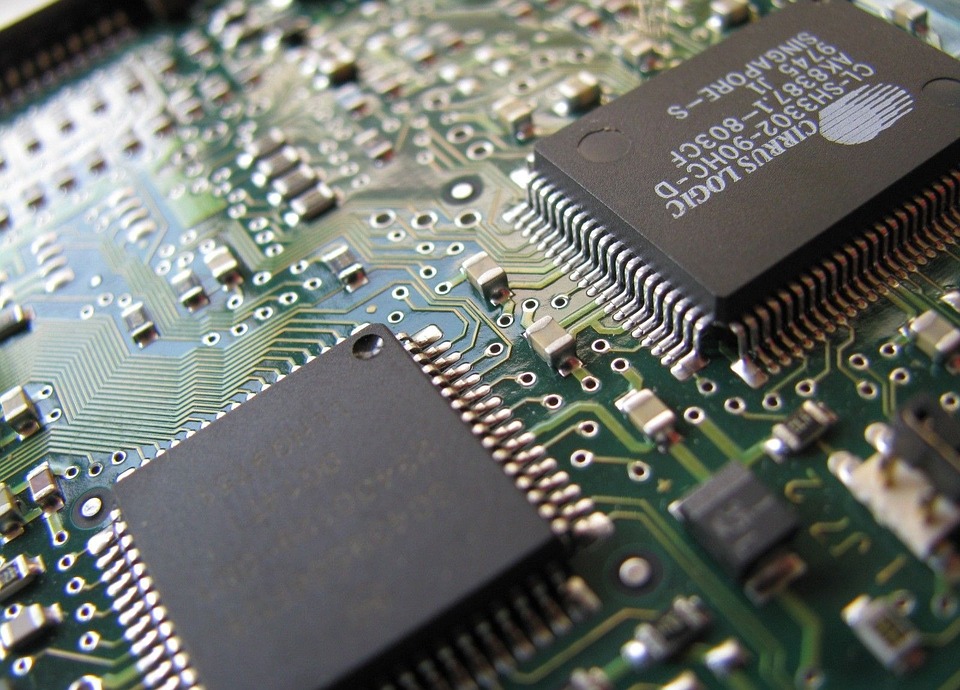
The main Wall Street indexes erased early losses and closed slightly higher on Monday, May 11, supported by gains in semiconductor stocks. Still, moves were limited following another diplomatic setback between Washington and Tehran. Investors also remained cautious ahead of key U.S. inflation data due later this week, which could reflect the sharp rise in oil prices caused by the war.
In this context, the Dow Jones Industrial Average rose 0.2% to 49,704.34 points, the S&P 500 gained 0.2% to 7,412.87, and the Nasdaq Composite advanced 0.1% to 26,274.13.
Donald Trump rejects Iran’s response, says ceasefire is “incredibly weak”
Over the weekend, Iranian state media reported that Tehran had formally responded to a U.S. proposal aimed at ending the conflict, which has now lasted more than two months. The response demanded a halt to fighting on all fronts, recognition of Iran’s sovereignty over the strategic Strait of Hormuz, and U.S. compensation for war-related damages.
U.S. President Donald Trump reacted to Iran’s response within hours, writing on social media: “I don’t like it; it’s totally unacceptable.” Speaking to reporters at the start of the week, he added: “The plan is that they cannot have nuclear weapons, and they didn’t say that,” describing the proposal as “foolish.”
Trump claimed that Iran had agreed two days earlier to halt uranium enrichment and requested that the United States remove its nuclear material — which the Republican president referred to as “nuclear dust.” However, he said Tehran later reversed course and omitted any reference to nuclear activities in the proposal it submitted. In that context, Trump described the current ceasefire between the U.S. and Iran as “weak” and in a “critical situation.”
Trump also told Fox News that he was considering reviving “Project Liberty” to help guarantee the safe passage of commercial vessels through the Strait of Hormuz, a key route for global oil shipments.
Oil prices climbed following the latest diplomatic setback. July Brent crude futures, the global benchmark, rose 3% to $104.34 per barrel, while June U.S. West Texas Intermediate (WTI) crude futures gained 2.9% to $98.21 per barrel.
U.S. inflation data in focus
Beyond the Middle East, traders were also preparing for key U.S. inflation data, with the April Consumer Price Index (CPI) and Producer Price Index (PPI) reports scheduled for Tuesday and Wednesday, respectively.
The sharp rise in oil prices driven by the conflict with Iran has already pushed gasoline prices higher across U.S. gas stations, contributing to an acceleration in headline CPI and PPI readings in March. Core prices, which exclude food and energy, have so far remained relatively unaffected.
The Federal Reserve and monetary policy analysts are expected to closely monitor the inflation figures, especially after last week’s strong April jobs report suggested that the labor market is not currently a major concern for policymakers.
- Check out our free forex signals
- Follow the top economic events on FX Leaders economic calendar
- Trade better, discover more Forex Trading Strategies
- Open a FREE Trading Account
- Read our latest reviews on: Avatrade, Exness, HFM and XM

Related Articles
Sidebar rates

