Europe Tightens Tariffs and Import Quotas on China
hina responded sharply to the EU’s latest stance, criticizing Brussels’ push to “rebalance” trade relations.
Quick overview
- The European Union plans to expand import quotas and tariffs on Chinese goods to protect key industries from perceived unfair competition.
- EU industry official Stéphane Séjourné emphasized the need for broader safeguard measures across various sectors, including chemicals and clean technologies.
- China criticized the EU's actions as protectionist, arguing that they distort the economic relationship and could harm European consumers.
- The EU is shifting its approach towards China from economic cooperation to strategic competition, particularly in critical sectors.
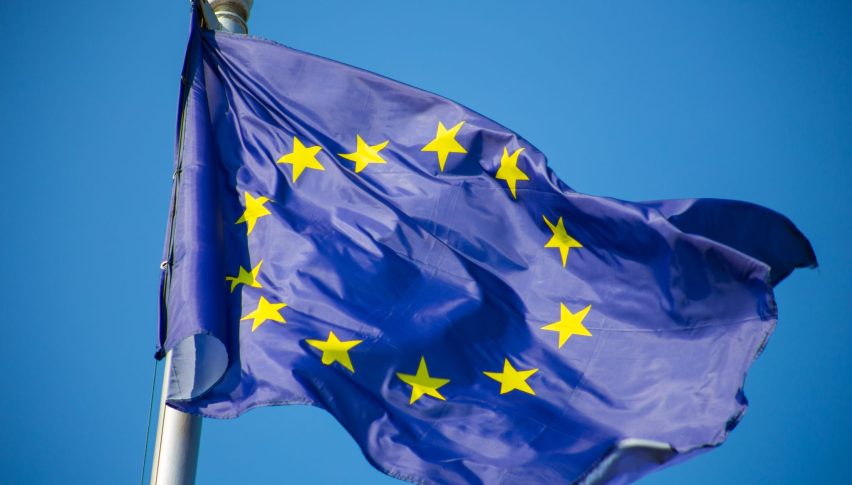
The European Union plans to broaden the use of import quotas and tariffs on Chinese goods in an effort to shield key industries from what Brussels increasingly views as an “existential” threat posed by Chinese competition.
Stéphane Séjourné, the EU’s top industry official, said the bloc would make wider use of safeguard measures across strategic sectors, according to comments published Thursday by the Financial Times.
“We will use safeguard clauses more broadly across sectors, and not only for specific companies or raw materials,” Séjourné said, warning that industries such as chemicals, metals, and clean technologies risk being severely damaged by what the EU considers unfair Chinese competition.
The remarks reflect growing concern in Brussels over the impact of low-cost Chinese exports on Europe’s industrial base, particularly as the bloc seeks to accelerate its green transition while maintaining domestic manufacturing capacity.
China Accuses Europe of Protectionism
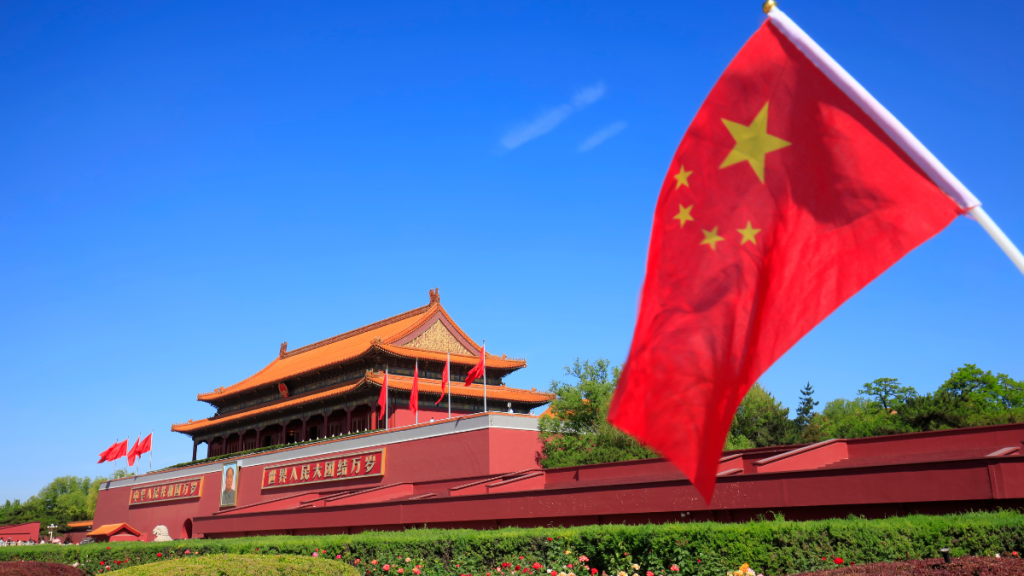
China responded sharply to the EU’s latest stance, criticizing Brussels’ push to “rebalance” trade relations and describing the measures as protectionist and politically biased.
Chinese Foreign Ministry spokesperson Mao Ning said international trade is based on mutual choice rather than coercion, arguing that China does not deliberately pursue a trade surplus with Europe.
“The essence of international economic and trade relations is mutual benefit and shared gains,” Mao said during a regular press briefing.
She accused the EU of focusing narrowly on goods trade deficits and Chinese imports while ignoring services, investment returns, and European export restrictions, which she argued distort the broader picture of economic relations between both sides.
According to Mao, efforts to reduce dependence on China or rebalance trade ties amount to protectionism that could ultimately hurt European consumers, raise business costs, and weaken the EU’s industrial competitiveness over the long term.
She also warned that Beijing is closely monitoring the bloc’s actions and “will take necessary measures” to defend its legitimate interests.
Europe Pushes for “Trade Rebalancing”
The latest comments come ahead of an internal European Commission debate over the future direction of EU-China economic relations.
Last week, Séjourné reiterated that the European Union needs to achieve a “trade rebalancing” with China, noting that the bloc currently runs a trade deficit with Beijing exceeding €360 billion.
The tougher tone underscores how Europe’s approach toward China is increasingly shifting from economic cooperation toward strategic competition, particularly in sectors considered critical for industrial security and technological leadership.
- Check out our free forex signals
- Follow the top economic events on FX Leaders economic calendar
- Trade better, discover more Forex Trading Strategies
- Open a FREE Trading Account
- Read our latest reviews on: Avatrade, Exness, HFM and XM

Related Articles
Sidebar rates

