U.S. Inflation Rises to 2023 High as GDP and Spending Lose Momentum
Some analysts argue that the window for rate cuts has effectively closed due to the energy shock stemming from the war with Iran.
Quick overview
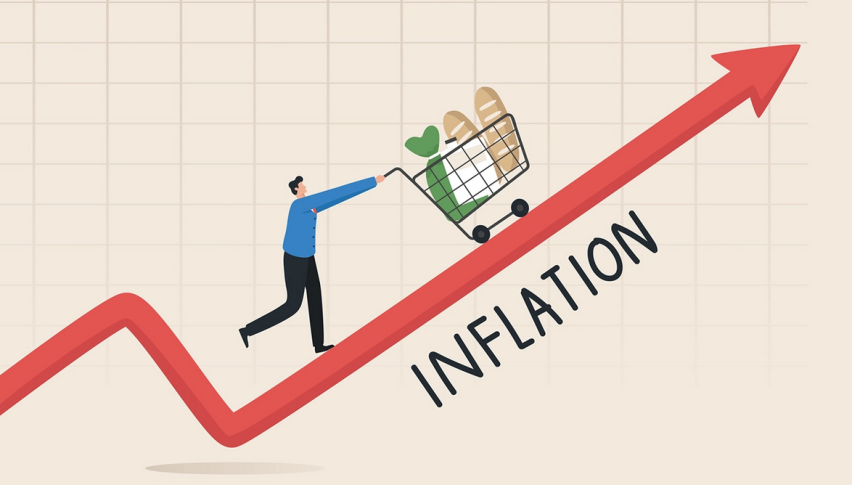
- Inflation in the U.S. is being driven by geopolitical conflicts, tariffs, and supply-side pressures, leading to rising costs for consumers.
- The Personal Consumption Expenditures price index rose 3.8% year-on-year in April, indicating persistent inflation above the Federal Reserve's comfort zone.
- U.S. GDP growth slowed to 1.6% in the first quarter, reflecting a strained economy amid ongoing inflationary pressures and geopolitical tensions.
- Consumer confidence has plummeted to historic lows, with the University of Michigan Consumer Sentiment Index hitting 44.8 in May.
Inflation is becoming an increasingly pressing issue in the United States, driven not only by the impact of the Middle East conflict and tariffs introduced under Donald Trump, but also by supply-side pressures such as drought conditions and a decline in cattle inventories, which could further push food prices higher.
The trend is weighing on both consumers and policymakers, as households face rising costs for fuel, food, and services, while the political backdrop intensifies ahead of midterm elections marked by weak approval ratings for the administration. At the same time, the Federal Reserve is signaling that further rate cuts are increasingly unlikely this year.
On Thursday, the Commerce Department reported that the Personal Consumption Expenditures (PCE) price index—the Fed’s preferred inflation gauge—rose 3.8% year-on-year in April, the highest level since May 2023. The core measure increased 3.3%. On a monthly basis, prices rose 0.4%, slowing from March’s 0.7% gain. However, inflation-adjusted consumer spending increased just 0.1%, highlighting a loss of momentum in demand.
Inflation sticks above Fed comfort zone
While headline and core inflation remain firmly in the 3% range—well above the Federal Reserve’s comfort zone—economists warn that the duration of elevated oil prices could become a critical factor, especially as the Middle East conflict continues to disrupt global energy flows.
Some analysts argue that the window for rate cuts has effectively closed due to the energy shock stemming from the war with Iran, shifting expectations toward a more restrictive policy outlook as officials warn that inflationary pressures are re-emerging. Market pricing, however, still reflects some uncertainty, with the probability of a rate hike this year edging up from 62% to 64%.
Recent data also showed that both inflation and core readings came in slightly better than expected, but this was overshadowed by renewed tensions in U.S.–Iran negotiations, which pushed oil prices higher and clouded the interpretation of the report.
Growth slows as consumers lose momentum
Separately, first-quarter U.S. GDP growth came in at 1.6%, below the 2% expected by markets, with downward revisions in both investment and consumer spending. The figures point to an economy that remains resilient but increasingly strained by prolonged geopolitical conflict and inflationary pressure.
Energy shock and trade policy add to price pressures
The Middle East conflict has disrupted global trade flows following the partial closure of the Strait of Hormuz, pushing up fuel costs and contributing to shortages across a range of goods, including fertilizers, aluminum, and consumer products. Average retail gasoline prices jumped 12.3% in April, according to the U.S. Energy Information Administration, and have risen more than 50% since the start of the war in late February.
Additional price pressures are also coming from non-energy goods and services, partly due to broad-based tariffs implemented under the Trump administration since its return to the White House.
At the same time, Washington is currently renegotiating trade arrangements under the USMCA with Mexico and Canada, with officials signaling that new tariff measures could be introduced as part of the process.
Consumer confidence hits historic lows
Consumer sentiment has also deteriorated sharply. The University of Michigan Consumer Sentiment Index fell to 44.8 in May, its lowest level on record, underscoring growing concerns among U.S. households about inflation and economic stability.
- Check out our free forex signals
- Follow the top economic events on FX Leaders economic calendar
- Trade better, discover more Forex Trading Strategies
- Open a FREE Trading Account
- Read our latest reviews on: Avatrade, Exness, HFM and XM

Related Articles
Sidebar rates

