Further Decline in South African Fuel Prices as Calls Grow to Extend Petrol Levy Relief Amid Rising Energy Costs
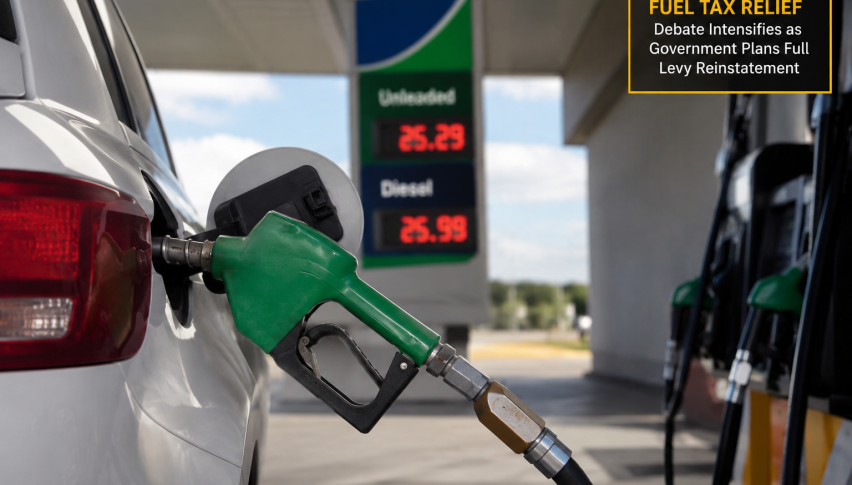
AfriForum is urging the government to make its temporary fuel levy reduction permanent as South Africa prepares for the full reinstatement of fuel taxes amid ongoing price volatility.
Quick overview
- AfriForum is urging the South African government to make the temporary fuel levy reduction permanent due to ongoing global price volatility.
- The government initially cut the fuel levy by R3 per litre in April, but plans to fully reinstate it by July, which could negate any short-term price benefits for consumers.
- Concerns have been raised about the economic stability of smaller and rural fuel stations, which are struggling with reduced fuel consumption and fixed margins.
- AfriForum argues that a permanent reduction in the fuel levy would provide greater predictability for consumers and businesses facing rising living costs.
AfriForum is urging the government to make its temporary fuel levy reduction permanent as South Africa prepares for the full reinstatement of fuel taxes amid ongoing price volatility.
Push to Make Fuel Levy Cut Permanent
The civil action group AfriForum has written to Finance Minister Enoch Godongwana requesting that the temporary reduction in the General Fuel Levy be made permanent, arguing that ongoing global uncertainty continues to justify extended relief for consumers and businesses.
The proposal comes after the government introduced a significant temporary cut in April, reducing the fuel levy by R3 per litre in response to sharp increases in petrol and diesel prices driven by geopolitical tensions, including the war in Iran. The measure was initially designed as short-term relief but was later extended into May as fuel prices remained elevated.
A further adjustment in June 2026 saw the partial reinstatement of the levy, effectively adding R1.50 back into petrol prices and R1.97 into diesel costs. The National Treasury has indicated that the remaining portion of the cut will be restored in July, fully ending the temporary relief package.
Government Move Toward Full Reversal of Relief
The phased rollback means that motorists are now facing a gradual return to pre-relief fuel tax levels, despite expectations of short-term price improvements in global oil markets. According to mid-month data from the Central Energy Fund, fuel prices are still expected to decline in July due to international price movements, with petrol projected to fall by around R2.80 per litre and diesel potentially seeing an even larger decrease.
However, the reintroduction of the levy will significantly reduce the benefit of these declines at the pump. Petrol’s effective reduction could shrink to around R1.30 per litre, while diesel savings may be limited to roughly R2.86 per litre once taxes are fully reinstated.
AfriForum argues that ending the relief measure could prematurely expose households and businesses to renewed price pressure if global oil markets experience further shocks.
Concerns Over Economic Stability and Consumer Pressure
AfriForum’s head of public relations, Ernst van Zyl, warned that the temporary nature of the relief simply delays rather than resolves financial strain. He argued that ongoing geopolitical risks, particularly in the Middle East, continue to pose a threat to global energy stability and could quickly reverse any short-term gains at the pump.
The group maintains that a more extended or permanent reduction would provide greater predictability for consumers and businesses already under pressure from elevated living costs.
Impact on Petrol Stations and Rural Operations
Industry concerns have also been raised by the South African Petroleum Retailers Association. Chair Henry van der Merwe has previously cautioned that smaller and rural fuel stations are under increasing strain due to reduced fuel consumption as prices remain high.
He noted that service station margins remain fixed regardless of fuel price levels, meaning lower sales volumes directly threaten viability. Some operators have already reduced trading hours or raised concerns about long-term closures, particularly in less populated areas.
Van der Merwe also highlighted additional pressures such as rising security risks, fuel theft incidents, and the possibility of job losses if operating conditions continue to deteriorate.
As the debate over fuel taxation continues, policymakers face growing pressure to balance fiscal revenue needs with mounting affordability concerns across households and key transport-dependent sectors.
- Check out our free forex signals
- Follow the top economic events on FX Leaders economic calendar
- Trade better, discover more Forex Trading Strategies
- Open a FREE Trading Account
- Read our latest reviews on: Avatrade, Exness, HFM and XM

Related Articles

Sidebar rates

Related Posts
 Save
Save