Nigeria GDP Slump Sparks Concern as Inflation Hits Trade Sectors
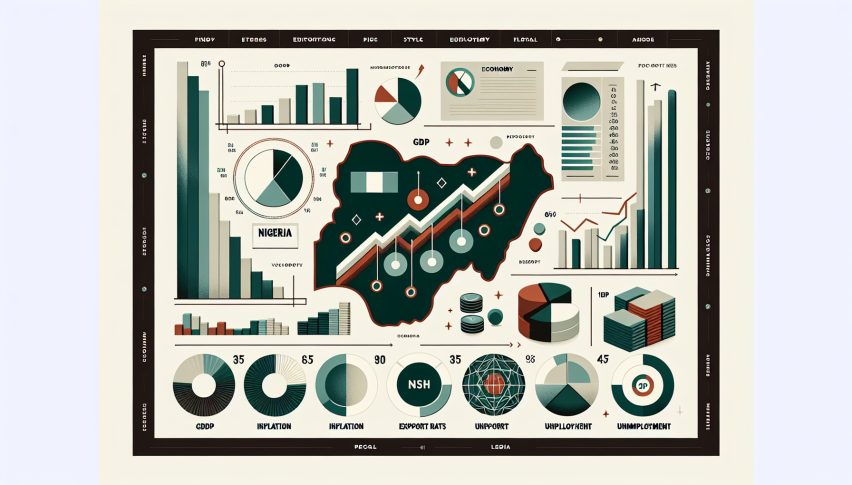
Nigeria's GDP downturn raises alarm as inflation impacts trade, posing challenges for traders.
Quick overview
- Nigeria's GDP outlook has been downgraded by the IMF due to rising economic risks, inflation, and trade difficulties.
- The Central Bank of Nigeria is managing monetary policy amid naira volatility, impacting pricing and trading strategies.
- Despite current challenges, the World Bank suggests Nigeria can leverage its natural resources and youthful population for growth.
- Traders should monitor fiscal policies and trade dynamics to identify opportunities in agriculture and manufacturing sectors.
Live USD/NGN Chart


Nigeria’s economic landscape is facing considerable challenges as its GDP takes a downturn, marred by inflation and trade difficulties that are sending ripples across the financial markets.
Behind the Headline
According to The Guardian Nigeria News, the International Monetary Fund (IMF) has downgraded Nigeria’s GDP outlook, citing rising economic risks. This comes as inflation continues to erode consumer purchasing power and complicates trade activities, as reported by Business News Nigeria. The country’s trade output has notably slipped, reflecting the pressures businesses face in maintaining profitability amid escalating costs.
FXLeaders adds that these economic hurdles are compounded by a challenging global trade environment, where Nigeria’s export dynamics are affected by fluctuating demand and supply chain disruptions. The complexity of these issues underscores the need for strategic economic policies to stabilize the economy.
Nigeria Market Angle
The Central Bank of Nigeria (CBN) is at the forefront of efforts to manage the monetary policy landscape amid these economic challenges. The naira’s volatility remains a significant concern for traders, as it impacts pricing and hedging strategies. Furthermore, the Nigerian Exchange (NGX) is experiencing fluctuating investor confidence, reflecting the broader economic uncertainty.
Efforts by the government to boost domestic production and reduce reliance on imports are crucial steps towards alleviating pressure on the naira. However, the efficacy of these measures will depend on the implementation of supportive fiscal policies and infrastructural improvements.
Contrary Angle
Despite the prevailing economic concerns, the World Bank Group highlights a positive economic momentum in Nigeria. While acknowledging the current challenges, it suggests that Nigeria has an opportunity to leverage its substantial natural resources and youthful population to drive economic growth. The call to ‘bring home the gains’ suggests a potential upside if structural reforms and investments in key sectors are prioritized effectively.
Why Traders Should Care
Traders should closely monitor the CBN’s monetary policy adjustments, as these will directly impact forex markets. The naira’s performance is a critical gauge of economic confidence and can influence trading strategies in both the short and long term. Moreover, understanding the dynamics of Nigeria’s trade output can provide insights into sector-specific opportunities, particularly in agriculture and manufacturing, which may offer resilience amid broader economic challenges.
Keeping abreast of developments in Nigeria’s fiscal policy and international trade agreements will be essential for traders looking to capitalize on emerging market trends.
Conclusion
As Nigeria grapples with economic headwinds, the interplay between inflation, trade, and GDP performance will remain a focal point for analysts and traders. Navigating this complex landscape requires astute market analysis and an understanding of both domestic and international economic policies. Ultimately, the path forward for Nigeria’s economy will hinge on strategic interventions by policymakers and the resilience of its trade sectors.
- Check out our free forex signals
- Follow the top economic events on FX Leaders economic calendar
- Trade better, discover more Forex Trading Strategies
- Open a FREE Trading Account
- Read our latest reviews on: Avatrade, Exness, HFM and XM

Related Articles


Sidebar rates

Related Posts
 Save
Save