Warsh Faces a More Hawkish Fed, Led by Powell
A major obstacle for Warsh comes in the form of Jerome Powell, who confirmed he will remain at the Fed as a governor through January 2028.
Quick overview
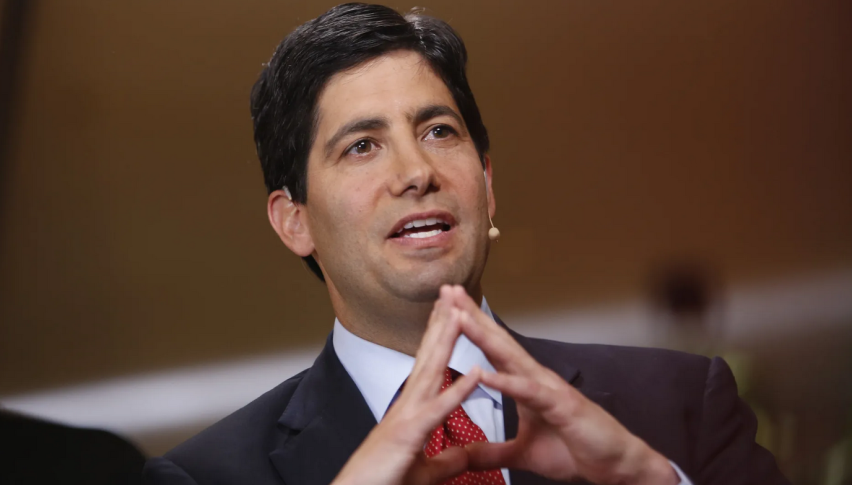
- Kevin Warsh will officially become Federal Reserve Chair on May 15, facing significant challenges in advocating for rate cuts.
- The Federal Open Market Committee is increasingly divided, with a recent vote reflecting the highest level of dissent since 1992.
- Jerome Powell's decision to remain at the Fed complicates Warsh's position, as he is a key figure opposing aggressive rate cuts.
- Warsh may face a dilemma if he chooses to dissent against the majority's preference for holding or raising rates, risking internal and political backlash.
Donald Trump’s nominee will formally take over as Federal Reserve Chair on May 15. But delivering on his push for rate cuts will be far from straightforward, as he faces a Board that is increasingly aligned against easing.
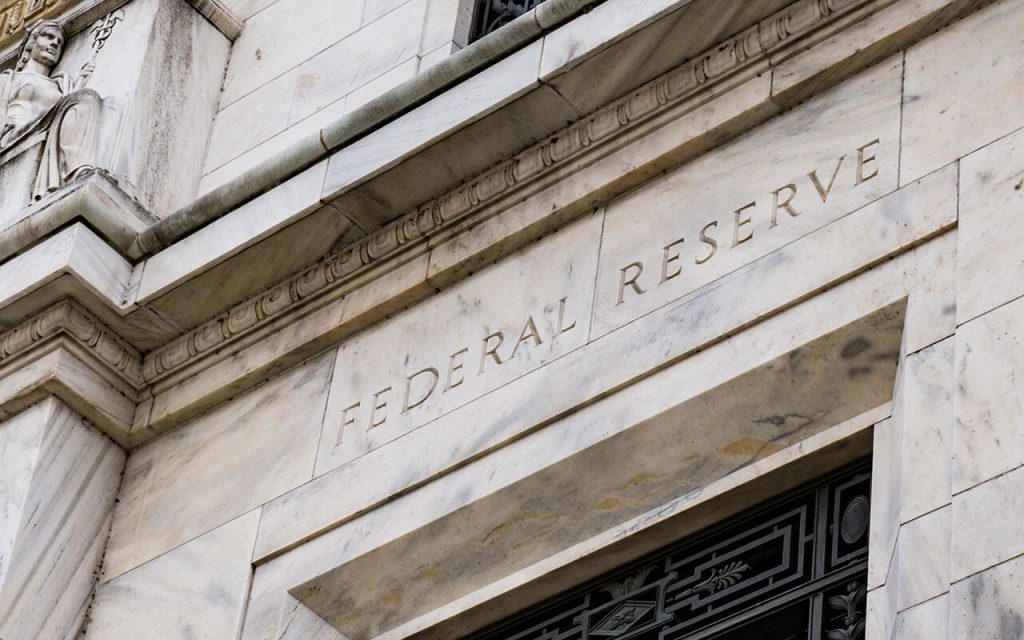
While Kevin Warsh appears set to secure the top job at the U.S. Federal Reserve, his real challenge begins immediately. From his first day in office, he will need to persuade the Federal Open Market Committee (FOMC)—the body responsible for setting monetary policy—that rate cuts are warranted, even as inflationary pressures linked to the Middle East conflict begin to filter through the U.S. economy.
That will be no easy task. The Fed’s latest policy decision underscored just how divided the Committee has become. Although markets widely expected rates to remain unchanged at 3.5%–3.75%, the degree of dissent came as a surprise. The vote split 8–4, marking the highest level of opposition since October 1992.
Trump-appointed Governor Stephen Miran backed a 25 basis point cut, consistent with his dovish stance. More notable, however, was the position taken by the presidents of the Cleveland, Minneapolis, and Dallas Fed branches. While they supported holding rates steady, they pushed back against signaling any future easing bias.
“The market’s takeaway is straightforward: even if Warsh leans toward cuts, securing the seven votes needed in the near term will be extremely difficult,” analysts at Portfolio Personal Inversores (PPI) noted.
Powell: Warsh’s Key Constraint
A major obstacle for Warsh comes in the form of Jerome Powell, who confirmed he will remain at the Fed as a governor through January 2028.
Powell acknowledged that he had originally planned to fully step down, but ongoing legal challenges from the Trump administration—including a Department of Justice probe into alleged cost overruns tied to Fed building renovations—prompted him to stay until the matter is resolved “transparently and definitively.”
He also pointed to broader concerns among Fed officials about continued political and legal pressure on the institution—an unprecedented dynamic in the U.S. context. In the coming days, the Supreme Court is expected to rule on Trump’s attempt to remove Fed Governor Lisa Cook over alleged mortgage fraud.
According to Collin Martin, Head of Fixed Income Strategy at the Schwab Center for Financial Research, “Had Powell stepped down, President Trump could have appointed a replacement—potentially Stephen Miran—though that would have required a new confirmation process.”
The absence of one of the few FOMC members supportive of aggressive rate cuts, combined with last week’s strong internal opposition, has effectively sidelined easing expectations. CME’s FedWatch tool currently assigns less than a 7% probability to rate cuts at any of the remaining six meetings in 2026.
Warsh’s Dilemma
This raises a critical question: would Warsh be willing to dissent if the majority favors holding—or even raising—rates?
Such a move would be highly unusual. It has only happened three times in Fed history: under Paul Volcker in 1986, William Miller in 1978, and Marriner Eccles in the late 1930s.
Taking that route would be risky. It could quickly strain relationships within the FOMC while also exposing Warsh to criticism from the Trump administration—potentially leaving him caught between institutional resistance and political expectations.
- Check out our free forex signals
- Follow the top economic events on FX Leaders economic calendar
- Trade better, discover more Forex Trading Strategies
- Open a FREE Trading Account
- Read our latest reviews on: Avatrade, Exness, HFM and XM

Related Articles
Sidebar rates

Related Posts
 Save
Save