Intel: INTC Rockets Toward $160 as Apple Chip Deal Sparks Massive Rally
Investors are optimistic about Intel's foundry/AI turnaround targets, raising their outlook by $150. 18A process ramp, AI inference/CPU demand,
Quick overview
- Investors are optimistic about Intel's turnaround targets, raising their outlook by $150 due to AI demand and potential foundry wins.
- Intel is in preliminary talks with Apple to manufacture chips, marking a revival of their partnership and boosting Intel's foundry business.
- Apple is also exploring partnerships with Samsung to diversify its supply chain away from TSMC amid geopolitical risks.
- Recent chip shortages have impacted Apple's growth, highlighting the need for alternative suppliers to ensure flexibility in production.
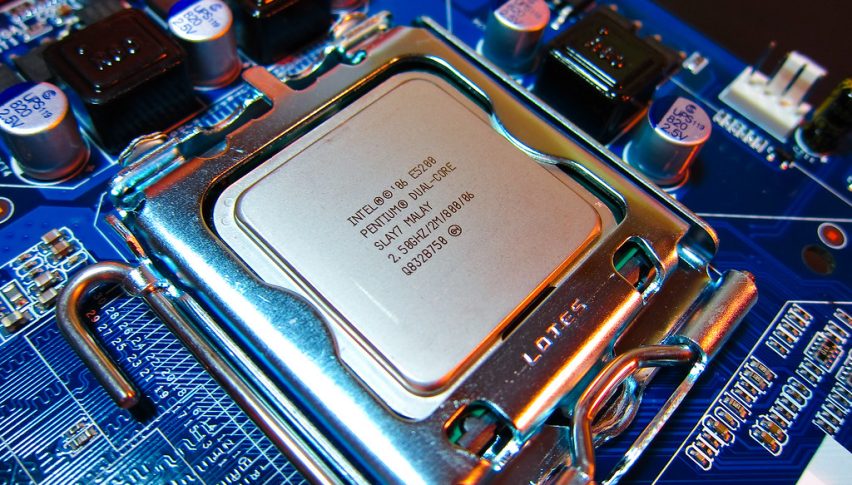
Investors are optimistic about Intel’s foundry/AI turnaround targets, raising their outlook by $160. 18A process ramp, AI inference/CPU demand, possible significant foundry wins (Apple, among others), the US government margin recovery, and policy support help the chip maker. Shares are up over 240% year-to-date, with massive gains in recent weeks/months driven by strong earnings, AI/CPU demand, foundry momentum, and government backing.
Current levels are trading in the $124–$132 range, with intraday highs near $132–$133. Analysts and headlines actively discuss a push toward $150.
Apple is also in talks with Samsung to diversify away from a heavy reliance on the TSMC supply chain, which AI and geopolitical risks strain. A possible Apple victory would greatly increase the credibility of Intel’s foundry business, particularly its upcoming 18A process.
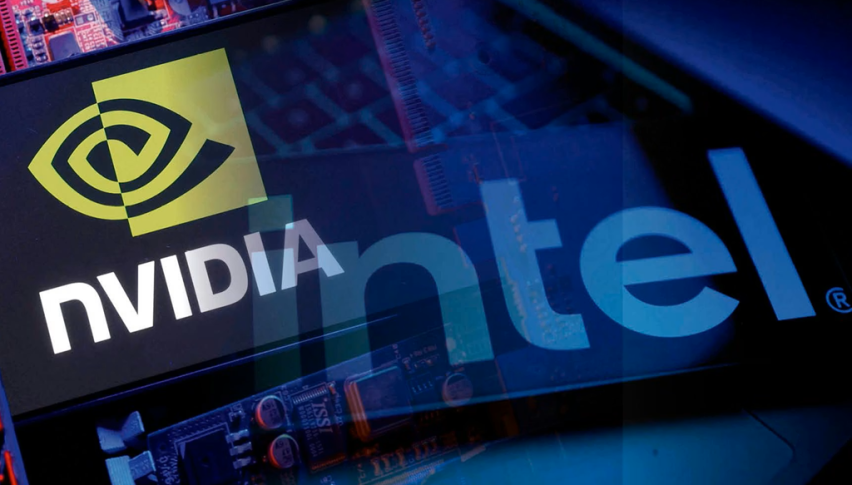
Strong recent earnings, AI/CPU demand, US government support (including a previous Trump admin stake), and optimism all contribute to the overall positive momentum. Intel continues to be a high-risk/high-reward brand. The market reaction has been explosive, with traders piling in on hopes of a significant new customer for Intel (e.g., TSMC, AMD, and Nvidia).
Apple has explored using Intel and Samsung Electronics to manufacture the primary processors for its devices in the United States, as an alternative to its longtime partner, Taiwan Semiconductor Manufacturing Co.
The iPhone and iPad manufacturer has had preliminary discussions with Intel about using the company’s chipmaking services. Executives from Apple have visited a Samsung facility in Texas being developed to produce cutting-edge chips.
Who asked not to be named because the discussions are private, neither effort has produced any orders thus far, and the work with both suppliers is still in its early stages.
Apple has reservations about utilizing non-TSMC technology and might decide not to proceed with another partner.
Apple has been designing the primary processors, or systems-on-a-chip, that power its devices for over ten years, and it has relied on TSMC to manufacture them using the most cutting-edge production techniques in Taiwan. The 3-nanometer fabrication node is used in the newest Macs and iPhones. However, even Apple, one of the biggest silicon buyers, is susceptible to supply-chain interruptions.
The massive expansion of AI data centers and the unexpectedly high demand for Macs capable of running AI models locally have been the main causes of recent shortages. This underscores the necessity for Apple to take into account other suppliers.
Apple executives stated that growth was being hampered by a shortage of chips for the Mac and iPhone. Tim Cook, the CEO, stated, “We have less flexibility in the supply chain than we normally would.
- Check out our free forex signals
- Follow the top economic events on FX Leaders economic calendar
- Trade better, discover more Forex Trading Strategies
- Open a FREE Trading Account
- Read our latest reviews on: Avatrade, Exness, HFM and XM

Related Articles

Sidebar rates

Related Posts
 Save
SaveAva

