South African Rand: USD/ZAR Nears R17 after Jump in US inflation as Markets Reassess Fed Outlook
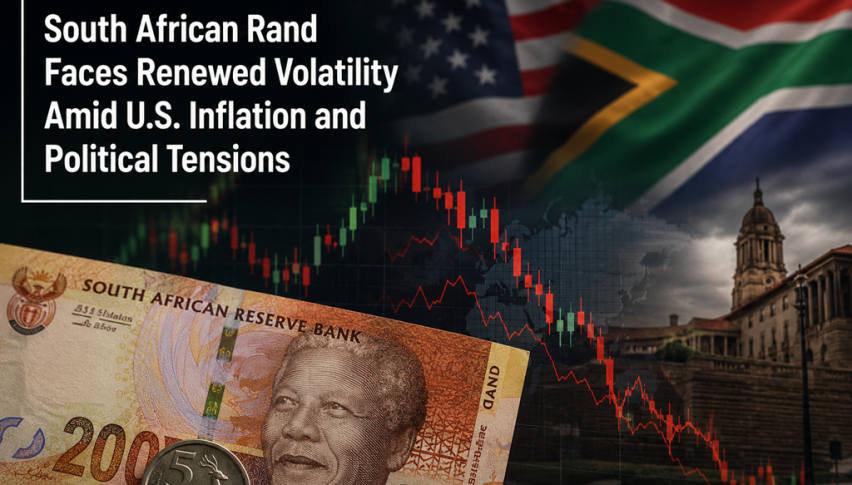
The USD/ZAR pair turned lower after failing to sustain gains above R17, while rising U.S. inflation pressures and renewed geopolitical uncertainty continued driving volatility across global currency markets.
Quick overview
- The USD/ZAR pair struggled to maintain gains above the R17 resistance level, reflecting investor caution amid rising U.S. inflation and geopolitical uncertainties.
- Increased U.S. inflation data has revived volatility in the dollar, complicating expectations for future Federal Reserve rate cuts and impacting emerging-market currencies like the rand.
- Domestic political concerns in South Africa, particularly regarding President Cyril Ramaphosa's impeachment proceedings, have added further uncertainty for investors.
- Upcoming South African economic data releases will be closely monitored as they could influence growth expectations and central bank policy decisions.
The USD/ZAR pair turned lower after failing to sustain gains above R17, while rising U.S. inflation pressures and renewed geopolitical uncertainty continued driving volatility across global currency markets.
USD/ZAR Struggles to Sustain Break Above R17
The South African rand regained some momentum at the start of the week after USD/ZAR once again failed to maintain a move above the important R17 resistance level. The pair briefly traded above that zone last week but quickly reversed lower, suggesting investors remain cautious about pushing the U.S. dollar significantly higher against the rand.
The retreat came despite a relatively hawkish tone from the Federal Reserve. Improved appetite for emerging-market assets and softer dollar demand helped support the rand during Monday trading.
Earlier in 2026, the rand had benefited from stronger risk sentiment and capital flows into emerging markets, with USD/ZAR trading closer to the mid-R15 region before geopolitical tensions and rising oil prices triggered renewed dollar strength.
However, repeated failures above R17 continue to reinforce the importance of that resistance area unless broader global conditions deteriorate further.
Higher U.S. Inflation Revives Dollar Volatility
Volatility increased sharply last week following hotter-than-expected U.S. inflation data, which complicated expectations for future Federal Reserve rate cuts.
Consumer inflation in the United States accelerated to 3.8% annually in April, while producer inflation also surged. The Producer Price Index rose 1.4% during the month and climbed 6% year-over-year, highlighting persistent cost pressures across the economy.
Several components of inflation remained elevated:
- Transportation and warehousing prices rose sharply
- Fuel costs continued increasing amid geopolitical tensions
- Service-sector inflation remained sticky
- Higher oil prices added pressure to global inflation expectations
The stronger inflation data pushed Treasury yields higher and supported the dollar temporarily, creating renewed pressure on emerging-market currencies, including the rand.
Geopolitical Risks Add Further Uncertainty
Global political tensions also remained a major market focus.
Renewed uncertainty surrounding Iran, the Strait of Hormuz, and Middle East security raised concerns about energy supply disruptions and higher oil prices. Since South Africa is a major oil importer, rising crude prices can negatively impact the rand through worsening trade balances and inflation pressures.
Markets also remained sensitive to broader global risk sentiment as investors monitored developments involving U.S.-Iran negotiations and ongoing regional instability.
Technical Analysis
Technically, we saw a bullish attempt in USD/ZAR which briefly broke above R17 in late March, moving above its 20-day simple moving average (gray), which had been defining the pair’s downtrend in recent months. However, the 50-day moving average (yellow) acted as firm resistance. The rejection at this level triggered a reversal, pushing USD/ZAR back below to the 20-day average.
USD/ZAR Chart Daily – MAs Keeping the Pressure to the Downside

On the monthly chart, USD/ZAR seems to have bottomed at the 100 SMA (green) where it found support in the last two months. Last month we saw a rebound as the Rand weakened while the Dollar gained, but buyers are facing the 50 SMA (yellow) and in April the forex pair has reversed lower again. For the larger trend to resume, USD/ZAR would need to push above this moving average.
USD/ZAR Chart Monthly – Rebounding Off the 100 SMA

Domestic Political Concerns Return
South African political risks added another layer of uncertainty for investors.
The Constitutional Court revived impeachment proceedings involving President Cyril Ramaphosa over the Phala Phala controversy, ruling that parliament acted unlawfully when it blocked impeachment efforts in 2022.
Although the ruling does not immediately threaten the president’s position, it has revived concerns about political stability at a time when investors are already navigating global volatility.
At the same time, some macroeconomic indicators remained supportive. South Africa’s net foreign reserves increased to roughly $73.76 billion at the end of April, improving from March levels and providing some support for the country’s financial position.
Key Economic Data Ahead
Investors will now closely watch several upcoming South African economic releases, including unemployment figures, manufacturing production, and mining output data.
These reports could influence expectations for economic growth and future South African Reserve Bank policy decisions.
For now, USD/ZAR remains highly sensitive to both global inflation developments and geopolitical headlines. While the rand has regained some short-term strength after the failed R17 breakout, volatility is likely to remain elevated as markets continue reassessing interest-rate expectations and global risk conditions.
- Headline Rate: 3.1% YoY, up from 3.0% in February, and slightly up from 0.6% monthly.
- Drivers: The cost of living is rising, with six of the 13 categories in the CPI basket reporting higher annual rates, including restaurants.
- Food Price Trend: Food inflation remains a factor, but some products like rice, eggs, and bread are experiencing price declines.
- Future Pressures: Analysts expect higher inflation in April due to fuel price hikes linked to geopolitical tension.
- Producer inflation quickened to 2.3% year on year in March, data from the statistics agency showed on Thursday.
- Trade surplus of 31.87 billion rand in March, while National Treasury data showed a budget deficit of 45.61 billion rand for the month.
- Growth: Retail sales increased by 1.6% year-on-year in February.
- Deceleration: The growth rate slowed significantly from the revised 4.4% in January.
- Context: Retail activity was hampered by economic pressures and a weaker rand.
- Interest Rates: The South African Reserve Bank (SARB) faces pressure to hike interest rates in May or July if inflation persists, though they left them at 6.75% in March.
- Rand Impact: The rand was trading at 16.44 against the dollar (0.53% stronger) despite global uncertainty.
Volatile Dollar and Central Bank Policy
At the same time, investors continue to monitor central bank policy expectations. The Federal Reserve, European Central Bank, Bank of Japan, and Bank of England have all signaled that interest rates may remain elevated as inflation risks persist.
Commodity Pressures Remain
Higher oil prices continue to create challenges for South Africa by increasing import costs and adding pressure on the local currency. Meanwhile, Gold prices have weakened after a recent selloff, reducing support for the rand.
- Check out our free forex signals
- Follow the top economic events on FX Leaders economic calendar
- Trade better, discover more Forex Trading Strategies
- Open a FREE Trading Account
- Read our latest reviews on: Avatrade, Exness, HFM and XM

Related Articles


Sidebar rates

Related Posts
 Save
Save