Foschini Group Profit Slumps Despite Revenue Growth, but JSE: TFG Share Price Fall Stalls
The Foschini Group Ltd reported a sharp decline in full-year earnings despite higher revenue, as margin pressure, weak consumer demand, and significant impairments weighed on performance.
Quick overview
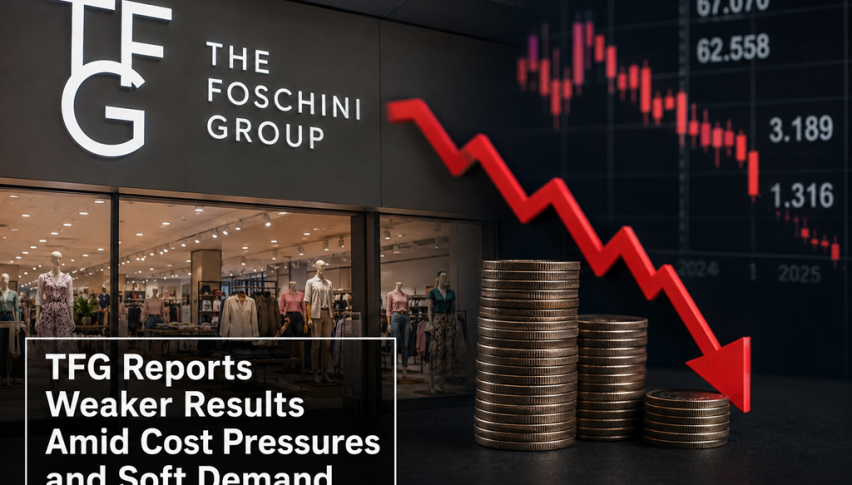
- The Foschini Group Ltd experienced a significant decline in full-year earnings, dropping to ZAR 1.316 billion from ZAR 3.189 billion despite a 7.2% increase in revenue.
- Profitability pressures were driven by margin compression, higher operational costs, and non-cash impairments related to international brands.
- Sales in Africa grew by 5%, but gross margins declined, while digital operations saw a strong 31.7% increase in online sales.
- Management anticipates continued consumer demand challenges but has noted early signs of margin stabilization in the new financial year.
The Foschini Group Ltd reported a sharp decline in full-year earnings despite higher revenue, as margin pressure, weak consumer demand, and significant impairments weighed on performance.
Full-Year Financial Performance
The Foschini Group Ltd reported a significant drop in profitability for the year, even as revenue continued to grow. The group’s earnings fell to ZAR 1.316 billion compared with ZAR 3.189 billion in the prior year, while earnings per share declined to ZAR 4.086 from ZAR 9.724.
Revenue for the period rose 7.2% to ZAR 67.070 billion, up from ZAR 62.558 billion previously. On an adjusted basis, earnings came in at ZAR 2.162 billion, or ZAR 6.712 per share, indicating that underlying performance was stronger than headline figures but still well below the prior year.
Profit Pressure and Margin Compression
The decline in profitability was driven primarily by margin compression and higher costs across operations. The group’s gross profit margin fell by 120 basis points, while operating profit before impairments and acquisition-related costs dropped by 22.1%.
Headline earnings per share fell 33.5% to 675.4 cents, while basic earnings per share declined more sharply by 58.1% to 411.2 cents, reflecting the impact of non-cash impairments on international brands.
The board also reduced the final gross cash dividend by 39.1% to 140 cents per share, compared with 230 cents in the previous year, reflecting weaker earnings and a more cautious outlook.
Impairments and Operational Challenges
A key factor weighing on results was the recognition of non-cash brand impairments linked to international operations, including Phase Eight in the UK and Tarocash and yd. in Australia. These write-downs reflected lower long-term cash flow expectations amid weaker trading conditions.
Management highlighted that performance was particularly affected by a weaker second half, with deteriorating consumer demand and margin pressure across all regions leading to negative operating leverage.
TFG Chart Monthly – Can Buyers Pull A Turnaround

Investors reacted cautiously to the latest figures. TFG shares fell initially but reversed and closed the week at R57.87 on Friday, still down more than 30% year-to-date, marking a sharp drop from R167.50 at the start of 2025. Although shares briefly climbed nearly 4% on Friday and 2% for the week, the overall trend remains bearish. Technically, the stock’s 200-month SMA now signals prolonged weakness, suggesting further downside risks unless the company stabilizes its margins.
Regional Performance Overview
In Africa, which remains the group’s largest market, sales increased by 5%, contributing 68.3% of total group sales. However, gross margins declined by 100 basis points to 41.6%, and segmental EBIT fell by 14.7% as cost pressures outweighed revenue gains. Womenswear and homeware gained market share, while menswear declined.
TFG London recorded a 29.4% increase in sales in British pounds, supported by the acquisition of White Stuff. However, excluding the acquisition, underlying UK sales were flat, affected by soft demand and a cyber incident impacting an online concession partner. Segmental EBIT for legacy operations fell sharply by 65.4%.
In Australia, sales declined by 1.5% due to weak consumer confidence and increased promotional activity. Segmental EBIT dropped by 27.2% before impairments, reflecting structural cost pressures in the region.
Digital Growth and Omnichannel Expansion
Despite weakness in profitability, the group delivered strong growth in its digital operations. Online sales increased by 31.7%, accounting for 14.8% of total retail sales.
The Bash platform in Africa was a standout performer, with online sales rising 49.2% and contributing 8.2% of regional sales, reaching nearly 10% in the final quarter. Management described this as an important milestone in the group’s omnichannel strategy, supporting a shift toward a more capital-light growth model.
Outlook
Management indicated that consumer demand may remain constrained in the near term, with early trading in the new financial year showing mixed regional trends. However, gross margins have improved by approximately 100 basis points across all regions in the opening weeks of the new period, offering a modest sign of stabilization.
The group continues to focus on cost control, inventory management, and optimizing its store portfolio while expanding its digital and omnichannel capabilities to support longer-term growth.
- Check out our free forex signals
- Follow the top economic events on FX Leaders economic calendar
- Trade better, discover more Forex Trading Strategies
- Open a FREE Trading Account
- Read our latest reviews on: Avatrade, Exness, HFM and XM

Related Articles


Sidebar rates

Related Posts
 Save
Save