South African Rand: USD/ZAR Jumps Toward R17 but Fails as Weak Dollar Offsets Hawkish Fed
The South African rand was supported on Monday by a stronger US dollar and a pessimistic assessment of risk, which led to an increase in the USD/ZAR ratio toward R17.
Quick overview
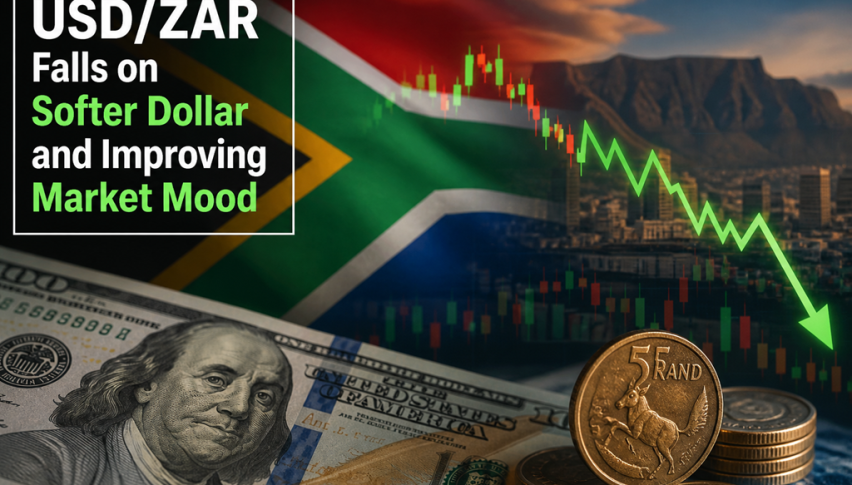
- USD/ZAR declined on Monday due to a weaker U.S. dollar and improved risk sentiment for the South African rand.
- Despite a hawkish Federal Reserve stance, geopolitical developments and lower dollar demand contributed to the rand's recovery.
- Inflation pressures are expected to rise in April, influenced by fuel price hikes, while retail sales growth has slowed significantly.
- The rand remains susceptible to external pressures, particularly from energy markets and global sentiment shifts.
The South African rand was supported on Monday by a stronger US dollar and a pessimistic assessment of risk, which led to an increase in the USD/ZAR ratio toward R17.
USD/ZAR Pulls Back
USD/ZAR traded lower on Monday despite last week’s more hawkish stance from the Federal Reserve. Geopolitical developments and softer dollar demand weighed on the pair, helping the rand regain some ground.
The South African rand entered 2026 with strong momentum as improving global sentiment and inflows into emerging markets boosted demand for risk-sensitive currencies. Earlier this year, USD/ZAR fell into the mid-R15 range before reversing sharply higher in March as investors moved toward safer assets.
Although the pair climbed back above R17, it later failed to sustain those gains and turned lower again.
- Headline Rate: 3.1% YoY, up from 3.0% in February, and slightly up from 0.6% monthly.
- Drivers: The cost of living is rising, with six of the 13 categories in the CPI basket reporting higher annual rates, including restaurants.
- Food Price Trend: Food inflation remains a factor, but some products like rice, eggs, and bread are experiencing price declines.
- Future Pressures: Analysts expect higher inflation in April due to fuel price hikes linked to geopolitical tension.
- Producer inflation quickened to 2.3% year on year in March, data from the statistics agency showed on Thursday.
- Trade surplus of 31.87 billion rand in March, while National Treasury data showed a budget deficit of 45.61 billion rand for the month.
- Growth: Retail sales increased by 1.6% year-on-year in February.
- Deceleration: The growth rate slowed significantly from the revised 4.4% in January.
- Context: Retail activity was hampered by economic pressures and a weaker rand.
- Interest Rates: The South African Reserve Bank (SARB) faces pressure to hike interest rates in May or July if inflation persists, though they left them at 6.75% in March.
- Rand Impact: The rand was trading at 16.44 against the dollar (0.53% stronger) despite global uncertainty.
Technical Analysis
Technically, we saw a bullish attempt in USD/ZAR which briefly broke above R17 in late March, moving above its 20-day simple moving average (gray), which had been defining the pair’s downtrend in recent months. However, the 50-day moving average (yellow) acted as firm resistance. The rejection at this level triggered a reversal, pushing USD/ZAR back below to the 20-day average.
USD/ZAR Chart Daily – MAs Keeping the Pressure to the Downside

On the monthly chart, USD/ZAR seems to have bottomed at the 100 SMA (green) where it found support in the last two months. Last month we saw a rebound as the Rand weakened while the Dollar gained, but buyers are facing the 50 SMA (yellow) and in April the forex pair has reversed lower again. For the larger trend to resume, USD/ZAR would need to push above this moving average.
USD/ZAR Chart Monthly – Rebounding Off the 100 SMA

Dollar Strength and Fed Policy Divergence
At the same time, investors continue to monitor central bank policy expectations. The Federal Reserve, European Central Bank, Bank of Japan, and Bank of England have all signaled that interest rates may remain elevated as inflation risks persist.
Upcoming events will be critical:
- RBA Policy Announcement (May) Expected to Raise Rates by 25 bps
- US ADP Employment (Apr)
- US JOLTS (Mar),
- US New Home Sales (Mar)
- US Jobless Claims (May 2)
- US Jobs Report (April)
Commodity Pressures Remain
Higher oil prices continue to create challenges for South Africa by increasing import costs and adding pressure on the local currency. Meanwhile, Gold prices have weakened after a recent selloff, reducing support for the rand.
Conclusion
While the rand has benefited from a weaker dollar and improving risk appetite, it remains vulnerable to external pressures, particularly from energy markets and shifting global sentiment.
- Check out our free forex signals
- Follow the top economic events on FX Leaders economic calendar
- Trade better, discover more Forex Trading Strategies
- Open a FREE Trading Account
- Read our latest reviews on: Avatrade, Exness, HFM and XM

Related Articles



Sidebar rates

Related Posts
 Save
SaveAva
